Capability
Tactical Apparel Material and Fabric Sourcing
Material sourcing is the decision that fixes most of a garment's cost, comfort and durability before a single panel is cut. It starts with the end use - climate, wear pattern, wash cycle and expected service life - and works backwards to fibre blend, weave construction, weight and finish. The deliverable is not a fabric list. It is a matched set of fabric and trim references, each with a stated reason for inclusion, a stated limitation and a named alternative at a different cost point. Buyers who approve material from a swatch photograph rather than from a physical standard are the buyers who meet a shade or hand-feel problem at bulk. Every material we propose is checked against the buyer's written specification, and any property that cannot be verified on a physical test is reported as unverified rather than asserted.
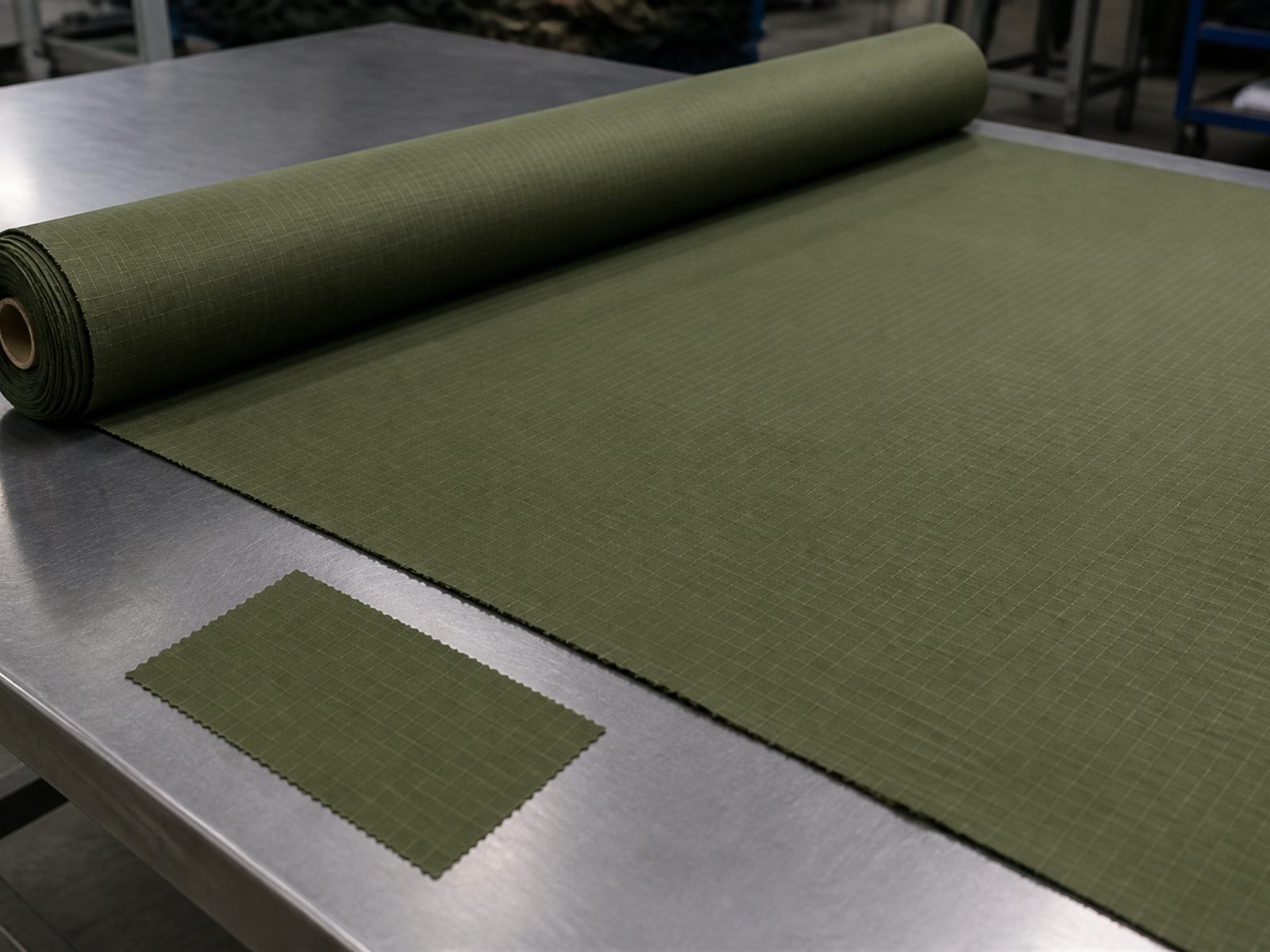
- Process steps
- 7 defined stages
- Deliverables
- 7 documented outputs
- Inputs required
- 8 from the buyer
Gallery
Material & Fabric Sourcing in practice
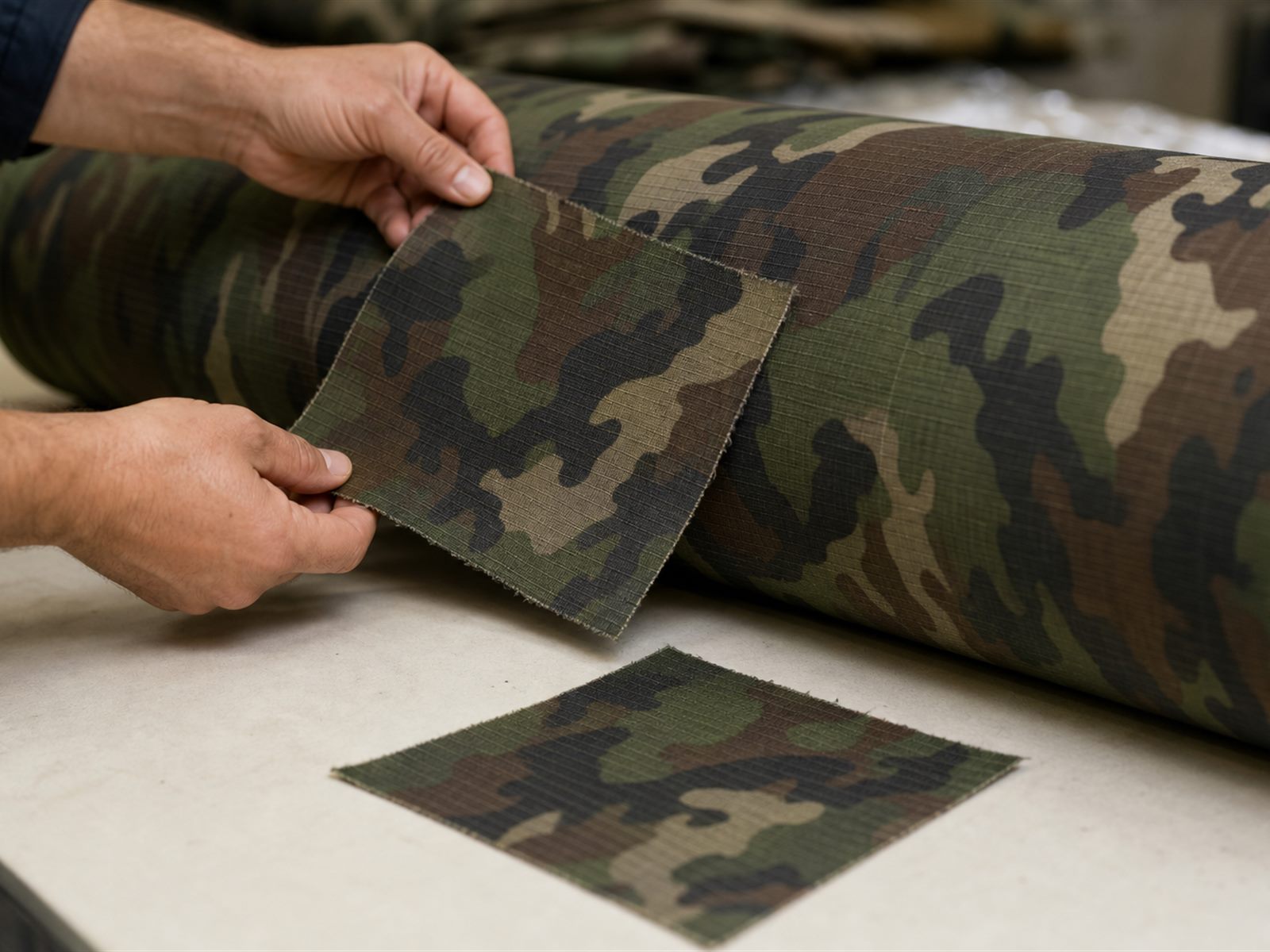
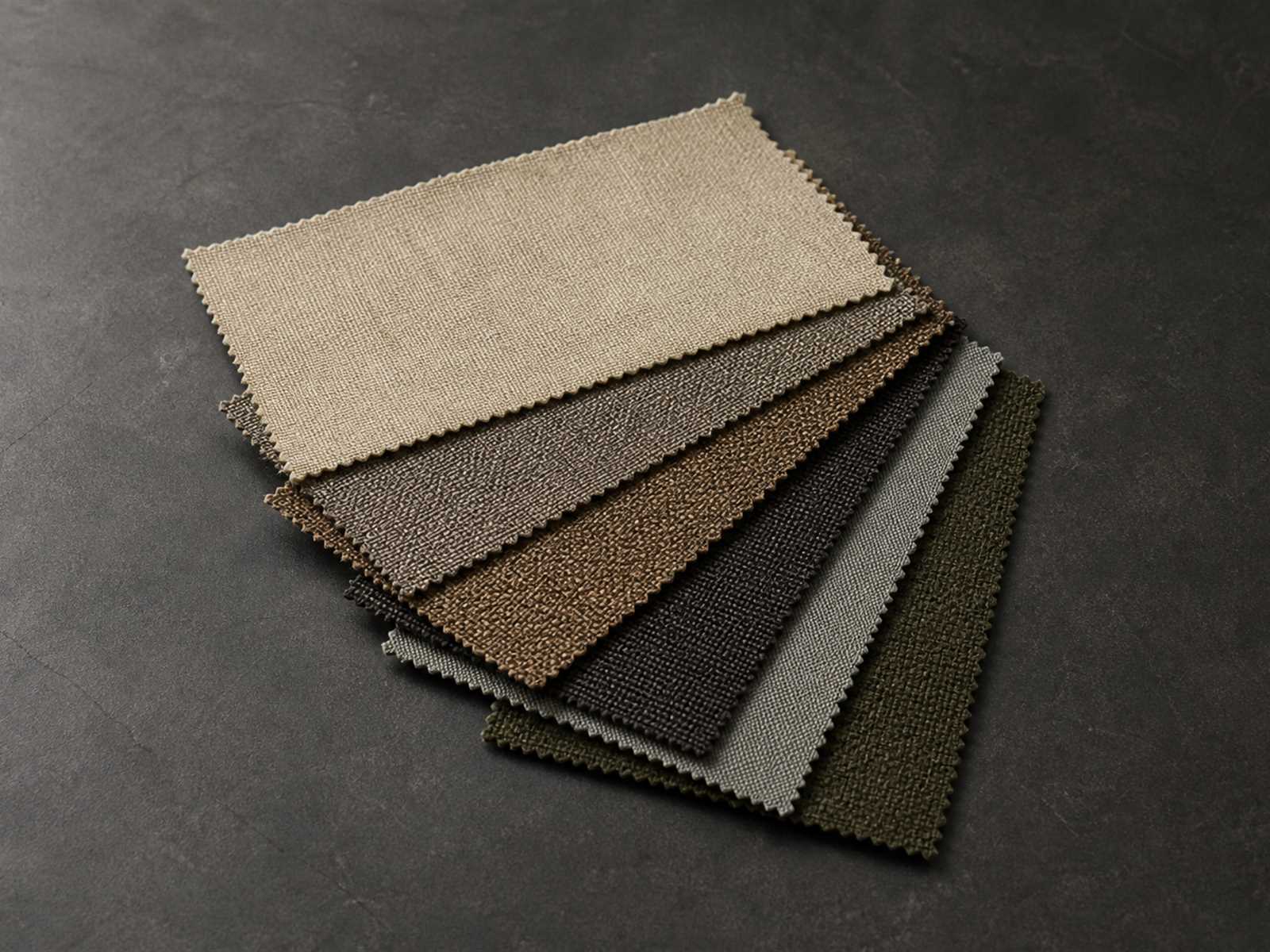
Inputs
What we need from you
The 8 inputs development of Material & Fabric Sourcing needs from you, and where one is missing we will tell you it is missing rather than assume it.
- Intended climate and application: hot-weather, tropical humid, desert, cold-weather, wet-weather or heavy-duty field
- Required performance in priority order, for example abrasion resistance, tear strength, drying speed, stretch or water resistance
- Target market and any restriction on fibre content, origin or labelling
- A reference garment or a physical fabric swatch that the buyer already accepts
- Colour standard and camouflage pattern reference, including any pattern sheet the buyer holds
- Trims that must match the fabric: zippers, hook and loop, thread, elastic, cord and webbing
- Order structure, expected repeat frequency and target landed cost band
- Any test report the buyer must produce to clear their own market or retail requirements
Deliverables
What you receive
The 7 tangible outputs you receive from Material & Fabric Sourcing — not assurances.
- Written material requirement list translated from the buyer's end use
- Candidate fabric shortlist with the trade-off between options stated
- Physical swatch set submitted for hand-feel and colour judgement
- Verification statement for each property the specification depends on
- Matched trim and accessory list with colour and shrinkage compatibility confirmed
- Agreed colour standard and written colour tolerance
- Retained approval swatch used as the incoming inspection reference
Process
The process, step by step
Material & Fabric Sourcing runs as 7 steps, and the sequence is not administrative: each step removes a specific risk before the next one commits cost.
Requirement translation
The buyer's end use is rewritten as a material requirement list: what the fabric must do, what it must not do, and which properties are essential versus preferred. Ambiguous requirements are returned as questions rather than resolved by assumption, because an assumed material property becomes a rejection at inspection.
Candidate shortlist
Two to four candidate constructions are selected and the trade-off between them is stated in writing - for example a heavier ripstop that resists abrasion against a lighter weave that dries faster and packs smaller. A single-option answer is generally not a sourcing answer.
Physical swatch submission
Swatches are sent as physical pieces, not scans or screen images, so hand-feel, drape, sheen and stiffness can be judged under the buyer's own lighting. Swatch size is sufficient to fold, stretch and compare against the buyer's existing garment.
Property verification
Properties that the specification depends on are verified on a physical test or supplier test report, and the test basis is quoted. Where no verified result exists for a property, it is reported as unverified so the buyer can decide the risk rather than absorb it silently.
Trim and accessory matching
Zippers, hook and loop, thread, elastic, cords, webbing and any reinforcement fabric are matched to the shell in colour, shrinkage behaviour and wash performance. Trim that shrinks or fades differently from the shell is a bulk defect even when each item passes on its own.
Colour and dye-lot setup
A colour standard is agreed as a physical reference - a swatch under controlled lighting, or a stated colour reference - and the acceptable tolerance is written down. Dye-lot behaviour on repeat orders is agreed at the same time, so a second order is not judged against a first order that no longer exists.
Approval and retained standard
The approved fabric and trim list is signed off and a physical standard swatch is retained. That retained standard is what incoming inspection is measured against, so the approval survives beyond the people who attended the meeting.
Buyer value
Why this matters to a buyer
Why Material & Fabric Sourcing matters to a buyer, framed as the 6 commercial consequences rather than as quality adjectives.
A material chosen against the real climate and wear pattern rather than against a price target, which prevents the field failure that drives returns and warranty claims
Trade-offs stated before the order, so a cost decision is made knowingly instead of being discovered as a comfort complaint after delivery
Trim matched to shell at sourcing stage, which removes the fading and shrinkage mismatch that shows up only after the first industrial wash
A retained physical standard, which makes incoming inspection objective and makes a repeat order comparable to the original
Unverified properties declared rather than implied, which keeps the buyer's own compliance statement accurate
Dye-lot behaviour agreed up front, so a follow-up order does not become a colour dispute with no reference point
FAQ
Material & Fabric Sourcing FAQ
Can you source a fabric to a specification we already have?
Yes. Send the specification and the intended end use, and we will state which items can be met by an available construction, which require a mill development and which need to be tested before they can be confirmed. Anything that cannot be confirmed on evidence is reported as unverified rather than agreed verbally.
Do you send swatches before we commit?
Yes. Physical swatches are the working document for material approval. Approval on the basis of a screen image is not treated as approval, because colour rendition and hand-feel cannot be carried by a photograph.
What happens if the fabric on the bulk order is a different dye lot?
That is expected on a repeat order, and it is why the colour tolerance and the retained standard are agreed before the first order. Bulk fabric is inspected against the retained swatch, and any deviation outside the written tolerance is reported before cutting rather than after shipment.
Can we nominate our own mill or fabric supplier?
Yes. Nominated fabric can be used, but it is still inspected on arrival and it is still checked for shrinkage and colour behaviour against the trims. A nominated fabric does not remove the buyer's exposure to a construction problem, so we report what we find.
How do you handle camouflage pattern sourcing?
Pattern references are treated as a controlled document. The buyer supplies the pattern artwork or the pattern sheet they hold, we confirm the print or yarn-dye route and the repeat, and the approved print strike-off becomes the standard that bulk is compared against.
Related
Related content
Related Products
Related Applications
Related Capabilities
Related Articles
Related Categories
Request a Manufacturing Assessment
Send us your tech pack, reference sample or product idea. We review your requirement, recommend materials and construction, and come back with a development plan you can act on.