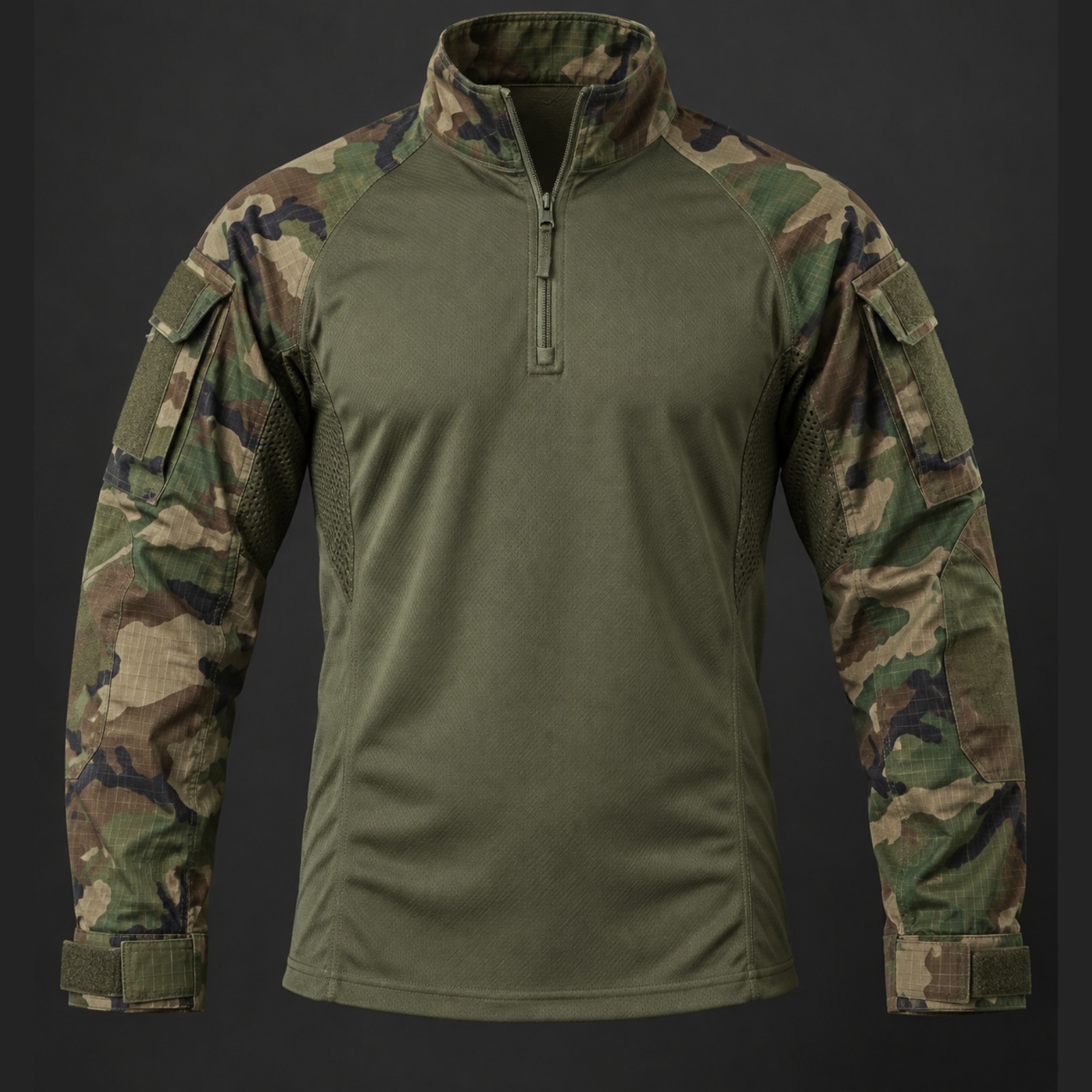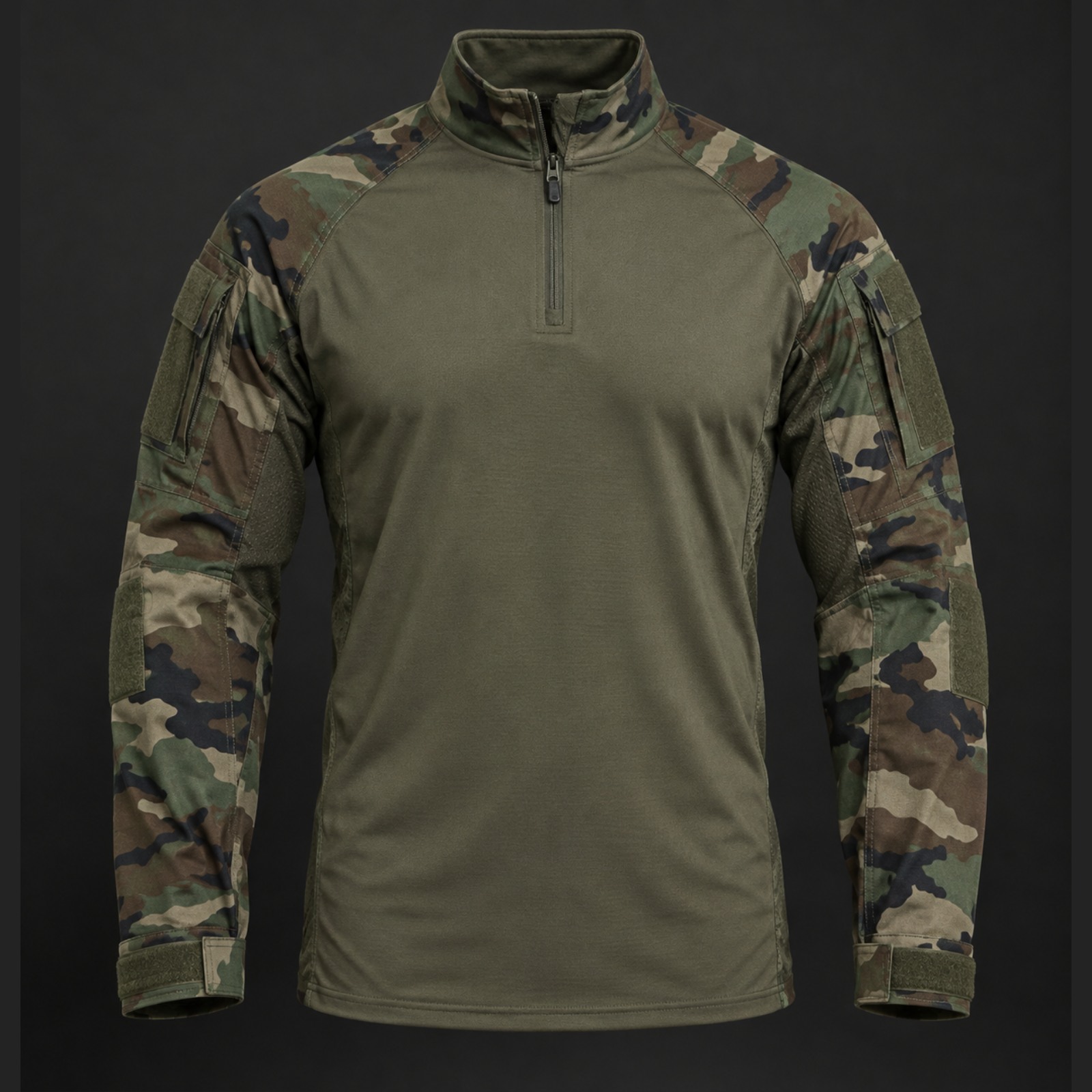
Combat Shirts
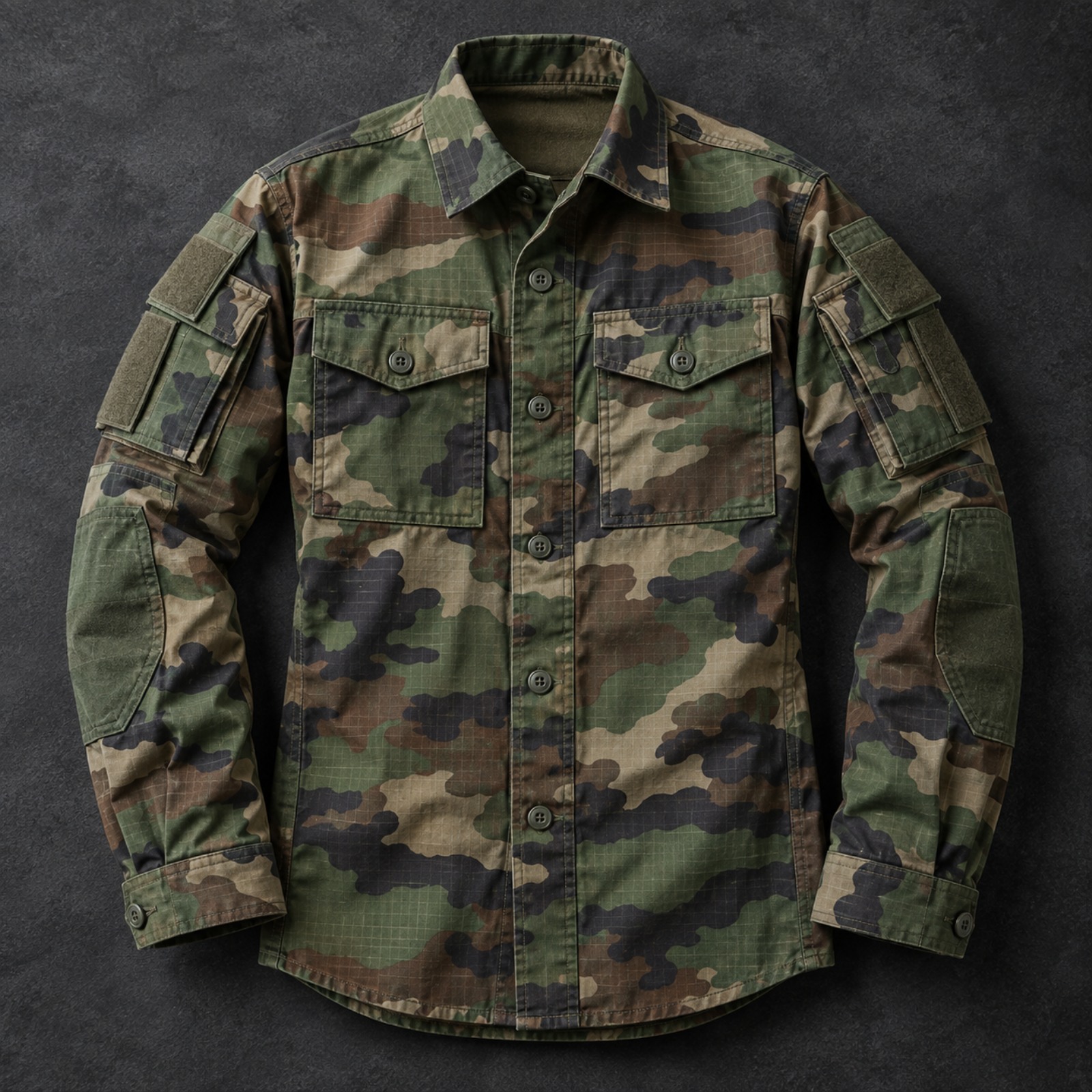
Heavy Duty Field Combat Shirt
This shirt is specified for programmes where the dominant cost is not the garment, it is the replacement cycle.
TemperateCool / ColdVariable
View productProduct range
The range is deliberately focused on apparel. Each product below is a developed specification — with its own material options, construction details, customization map and development sequence — rather than a catalogue listing.
Category
A combat shirt is not a T-shirt with pockets. It is a two-material garment engineered so the torso manages heat and moisture while the sleeves survive abrasion, elbow contact and field wear. The torso is normally a lightweight knit or stretch woven; the sleeves are normally ripstop. Getting that split right — and keeping it identical across every production run — is what separates a wearable combat shirt from one that gets returned. This page covers the decisions a buyer actually has to make: torso and sleeve fabric selection, elbow reinforcement and pad compatibility, pocket and collar construction, camouflage and colour control, size set development, private label, sampling and bulk production.
Open the Combat Shirts buying guide
Combat Shirts
This shirt is specified for programmes where the dominant cost is not the garment, it is the replacement cycle.
Combat Shirts
This garment exists to solve one problem: a combat shirt that can be worn through a full day of heat without becoming saturated and unusable.
Combat Shirts
Ripstop is not a single fabric, it is a weave construction.
Category
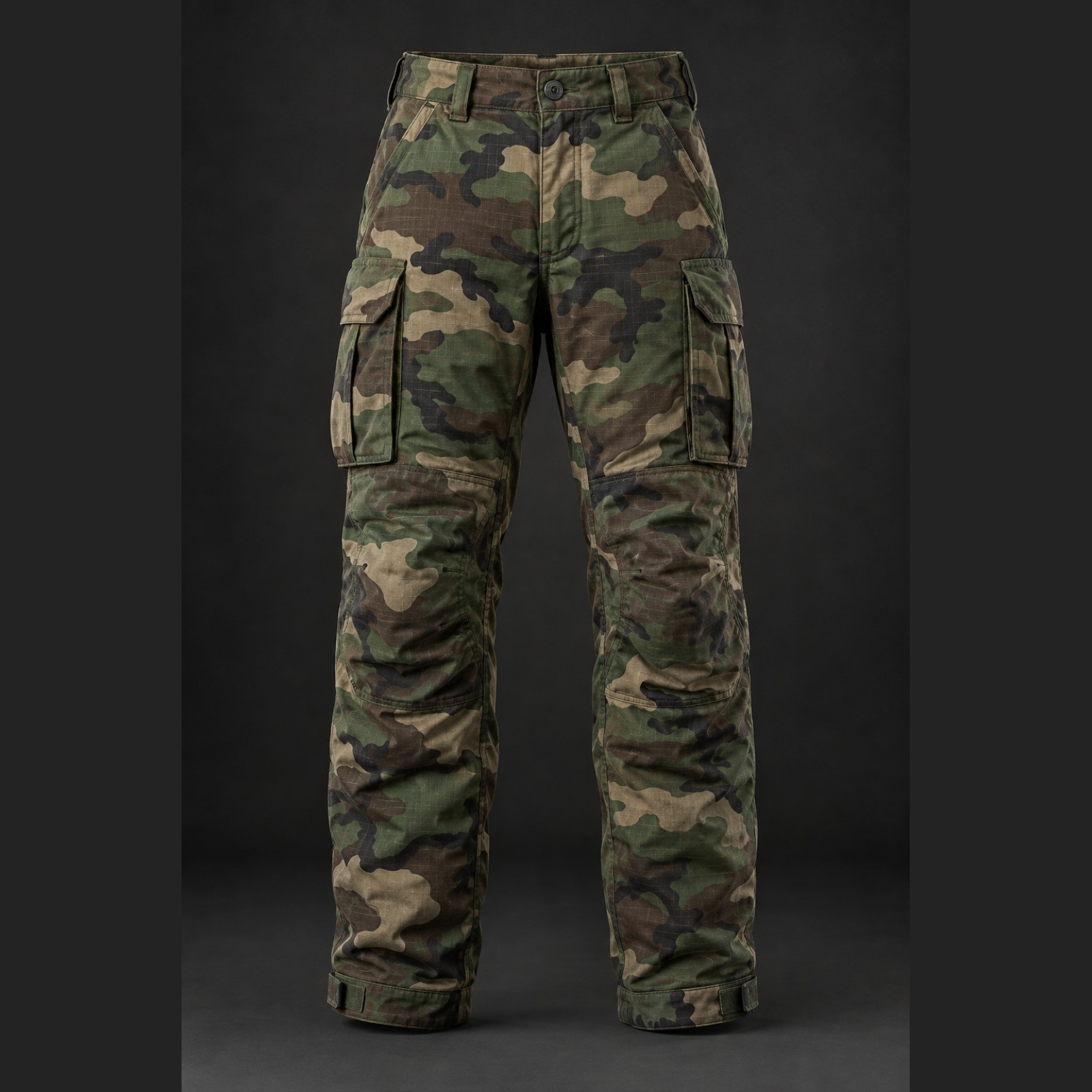
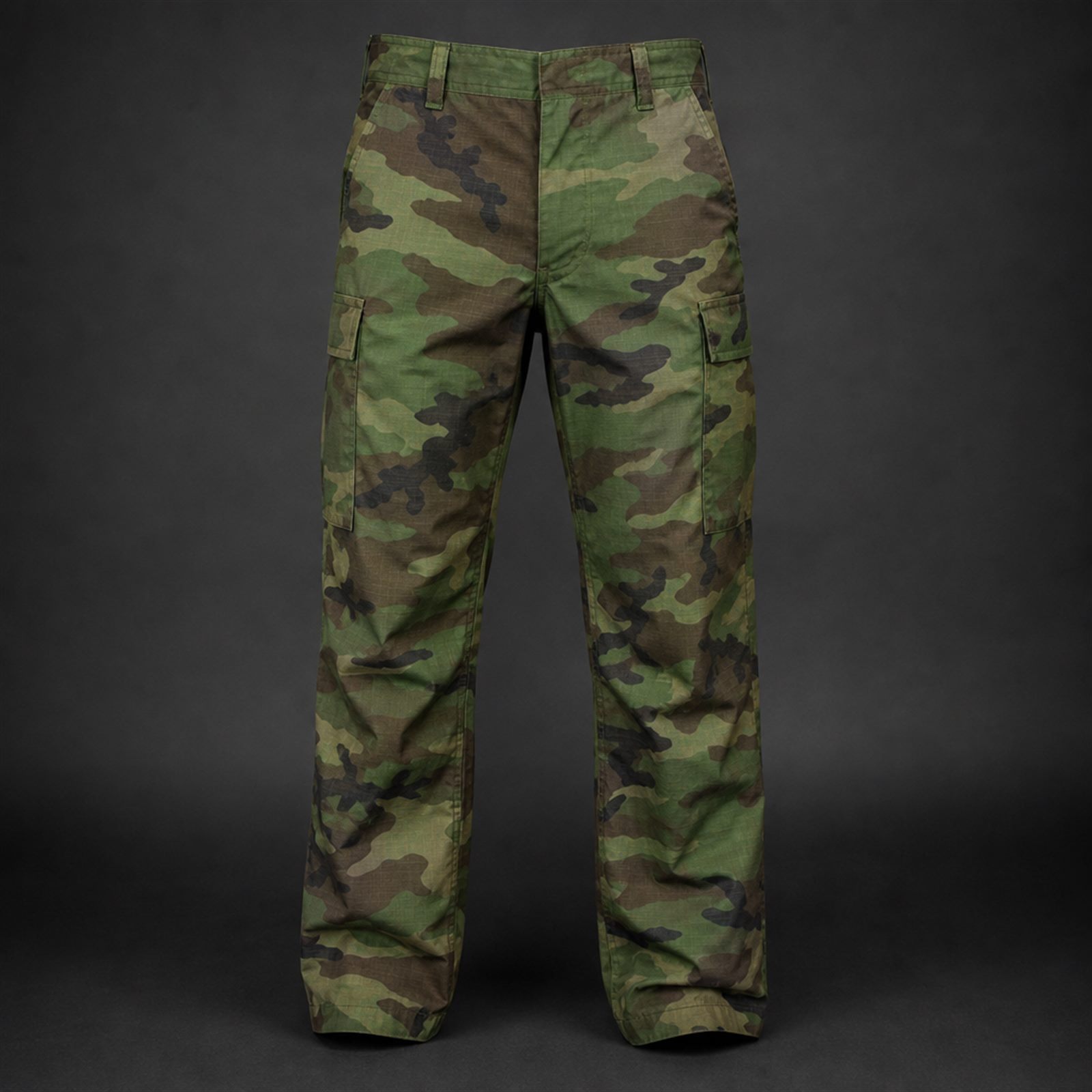
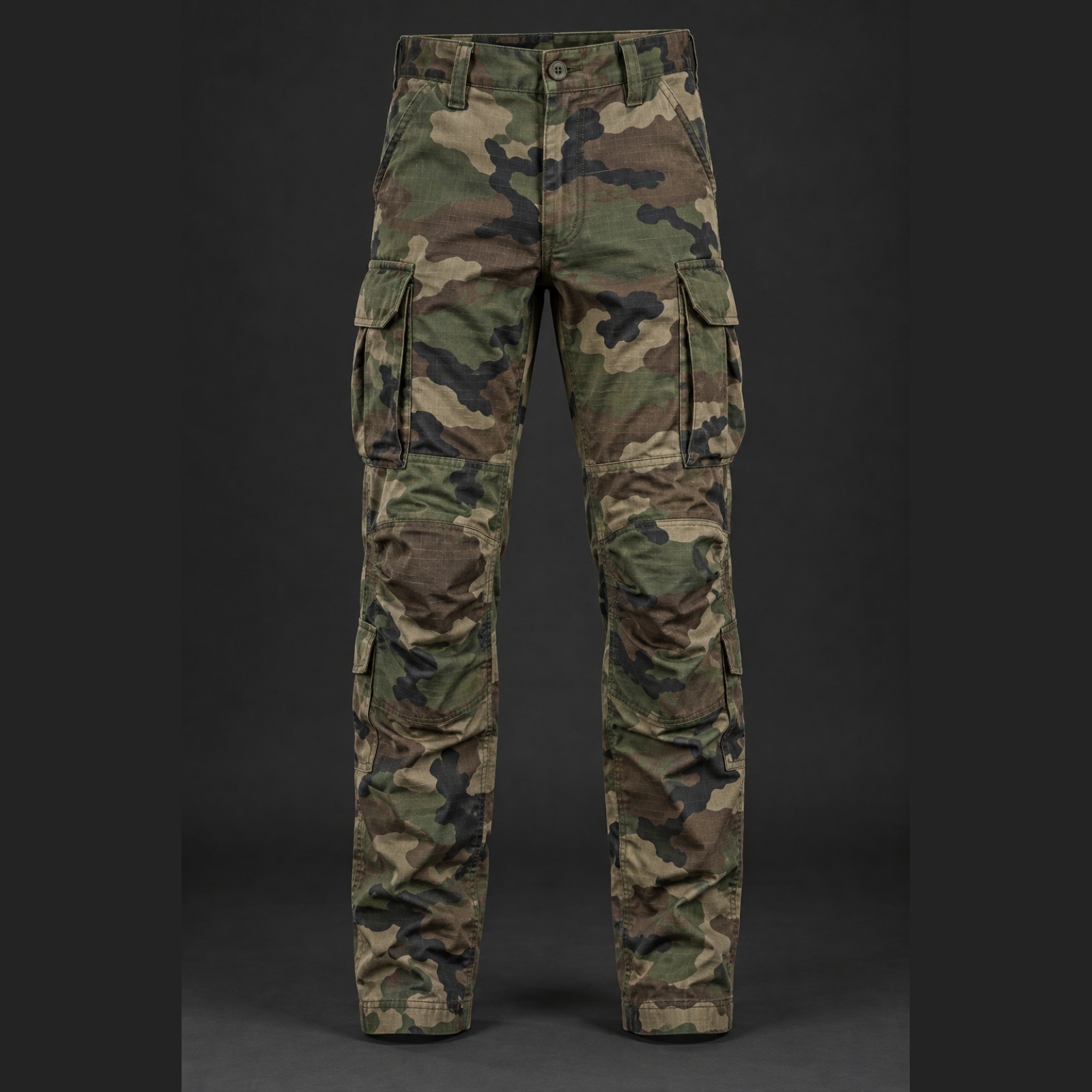
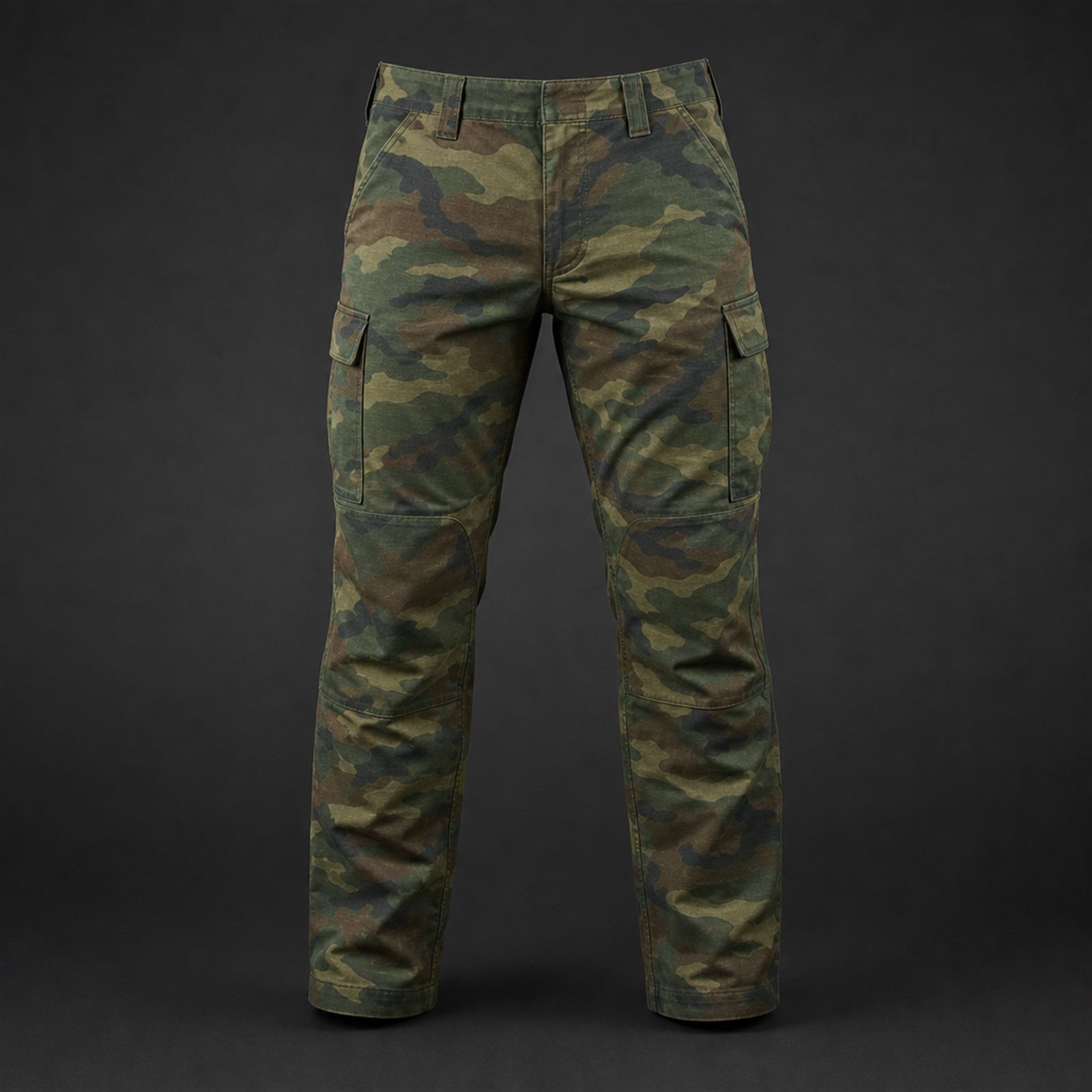
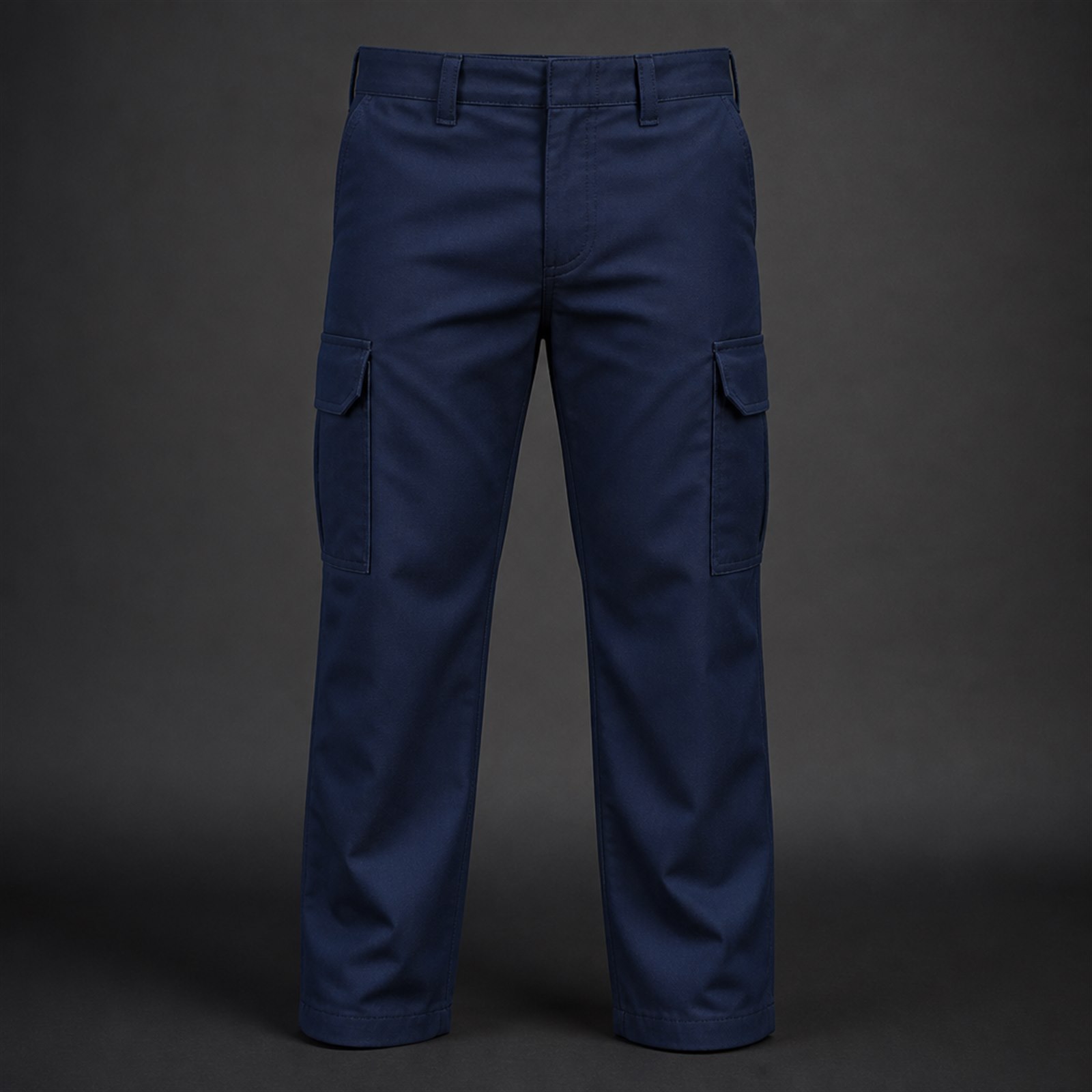
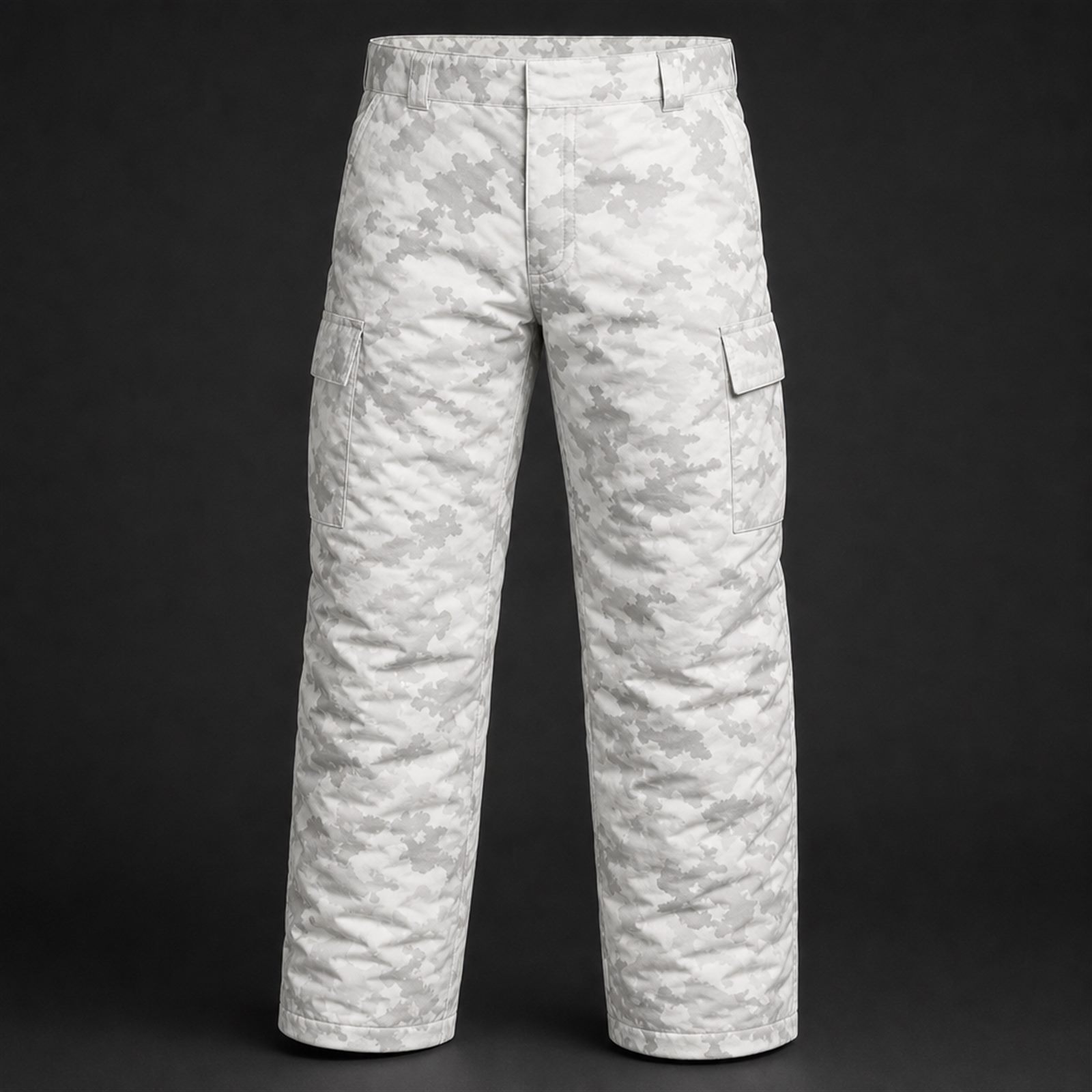
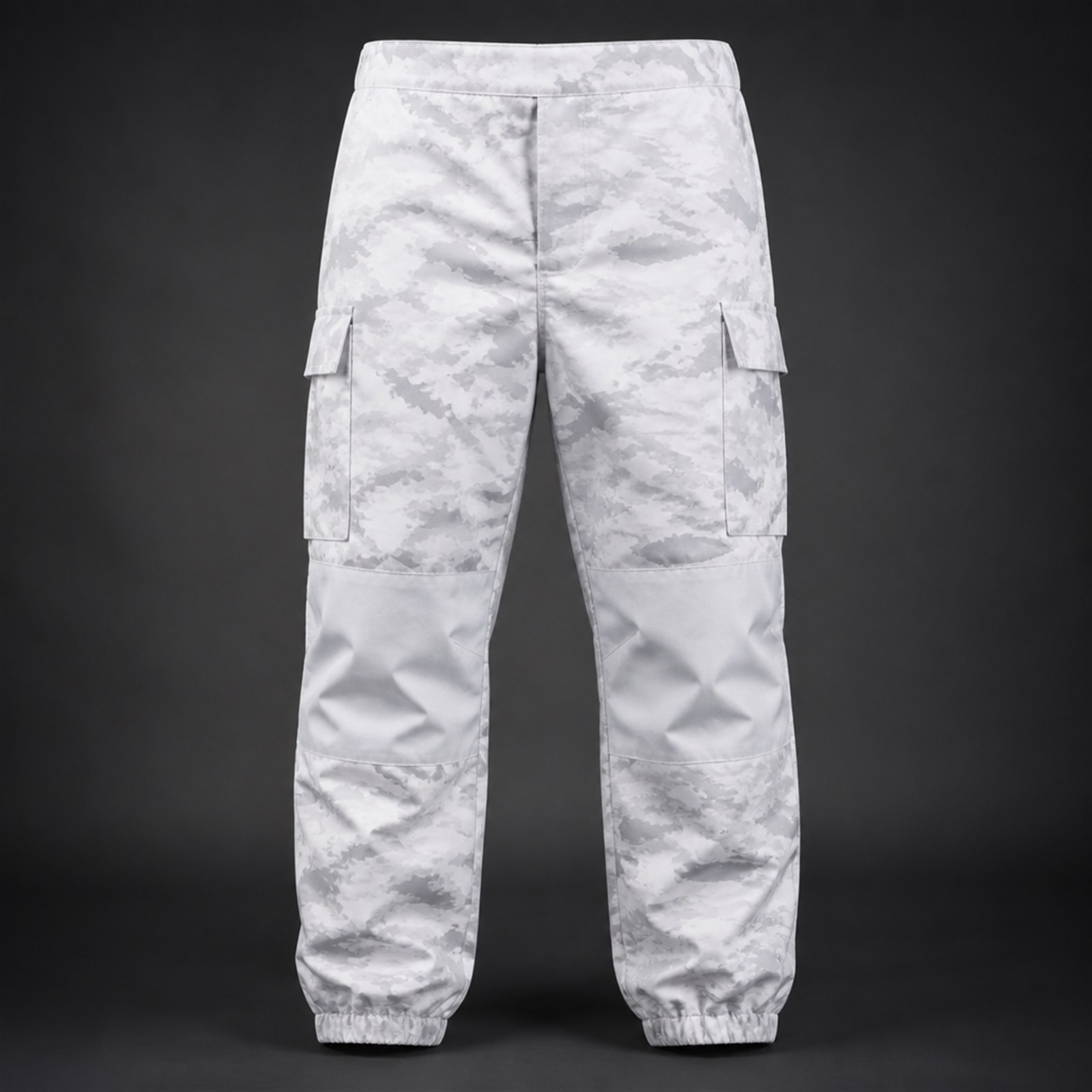
A tactical pant usually fails in one of two places: the crotch blows out under a squat, or the knee wears through from repeated ground contact. Everything else — pocket count, colour, stitching detail — is secondary to solving those two problems, and both are decided at pattern and material stage rather than on the sewing line. Tactical pants are also the category where buyers most often over-specify. Heavier fabric feels more durable in the hand, but it dries slower, weighs more on the leg and increases heat load during long movement in hot climates, while the lightweight alternative trades abrasion life for comfort. This page covers what a B2B buyer actually has to decide: body fabric and stretch direction, crotch gusset construction, knee reinforcement and pad compatibility, waistband and fly specification, cargo pocket layout, size set development, private label, sampling and bulk production — including where the trade-offs sit, so the specification you place matches the climate and the user it is issued to.
Open the Tactical Pants buying guide
Tactical Pants
Cold weather changes what a tactical pant has to do.
Tactical Pants
In sustained heat the limiting factor is not durability, it is whether the wearer can keep working.
Tactical Pants
A tactical pant is judged by three things: whether the crotch survives, whether the knee holds up, and whether the waist still fits the same after a full day of movement.
Tactical Pants
Stretch in a tactical pant is a mobility decision with a durability bill attached.
Category
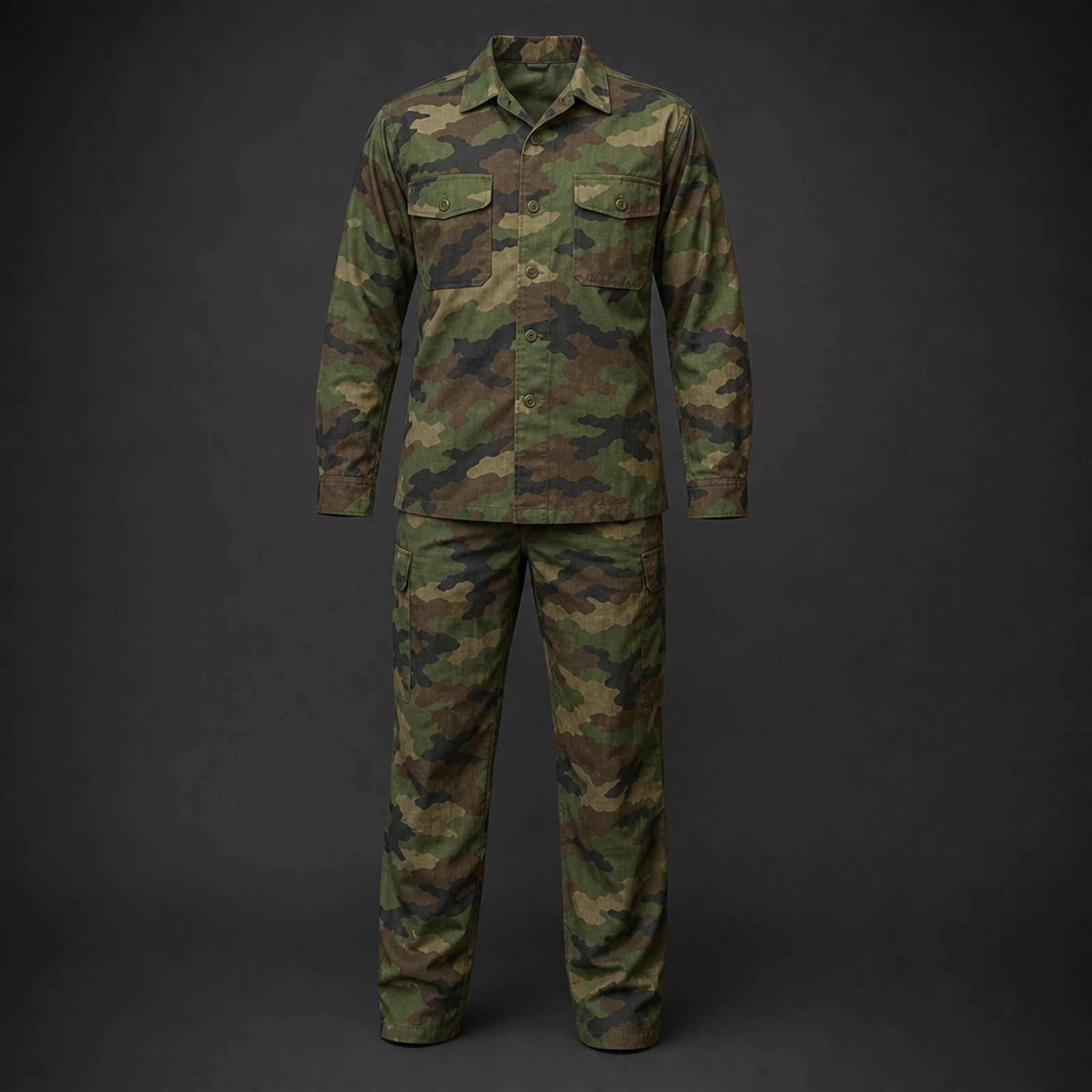
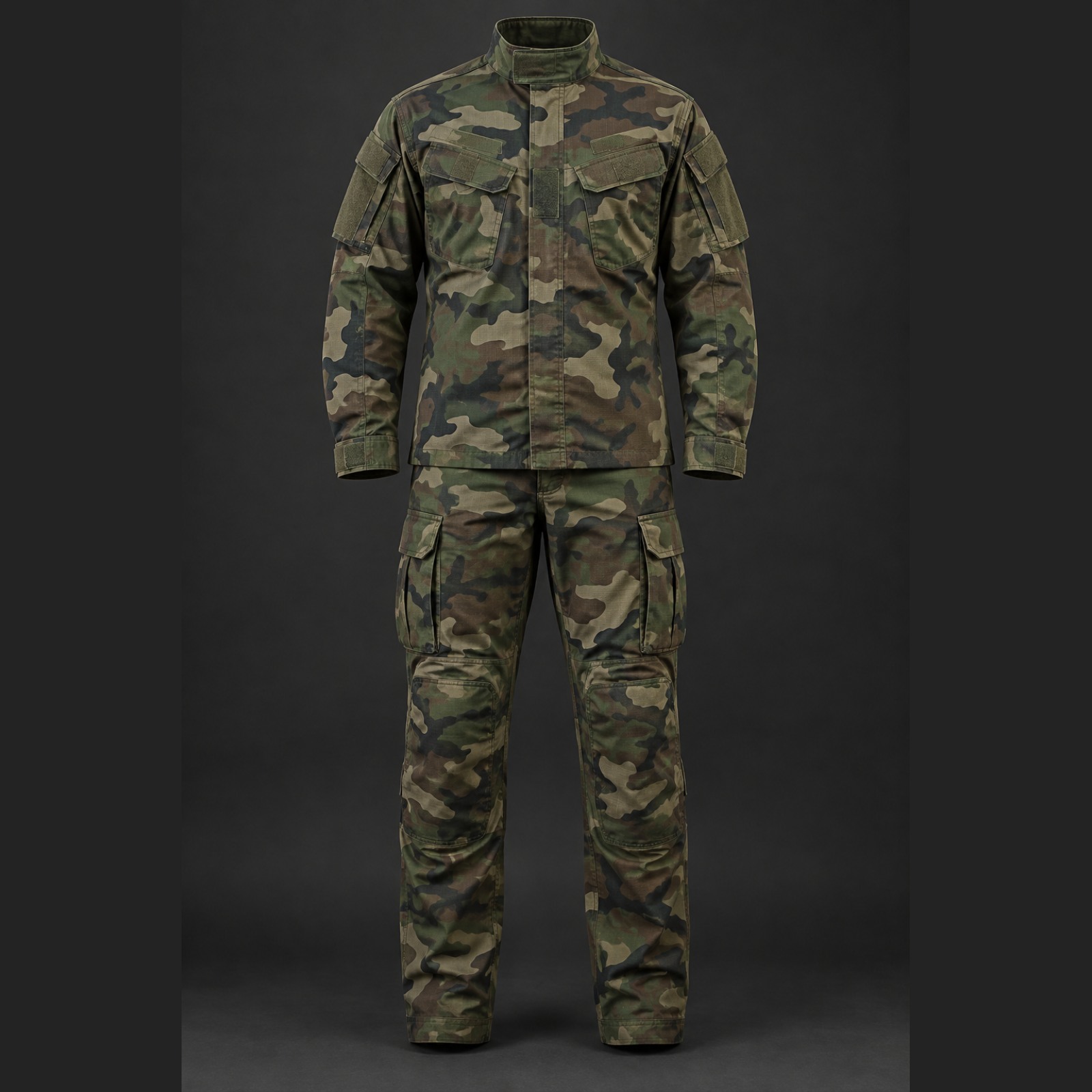
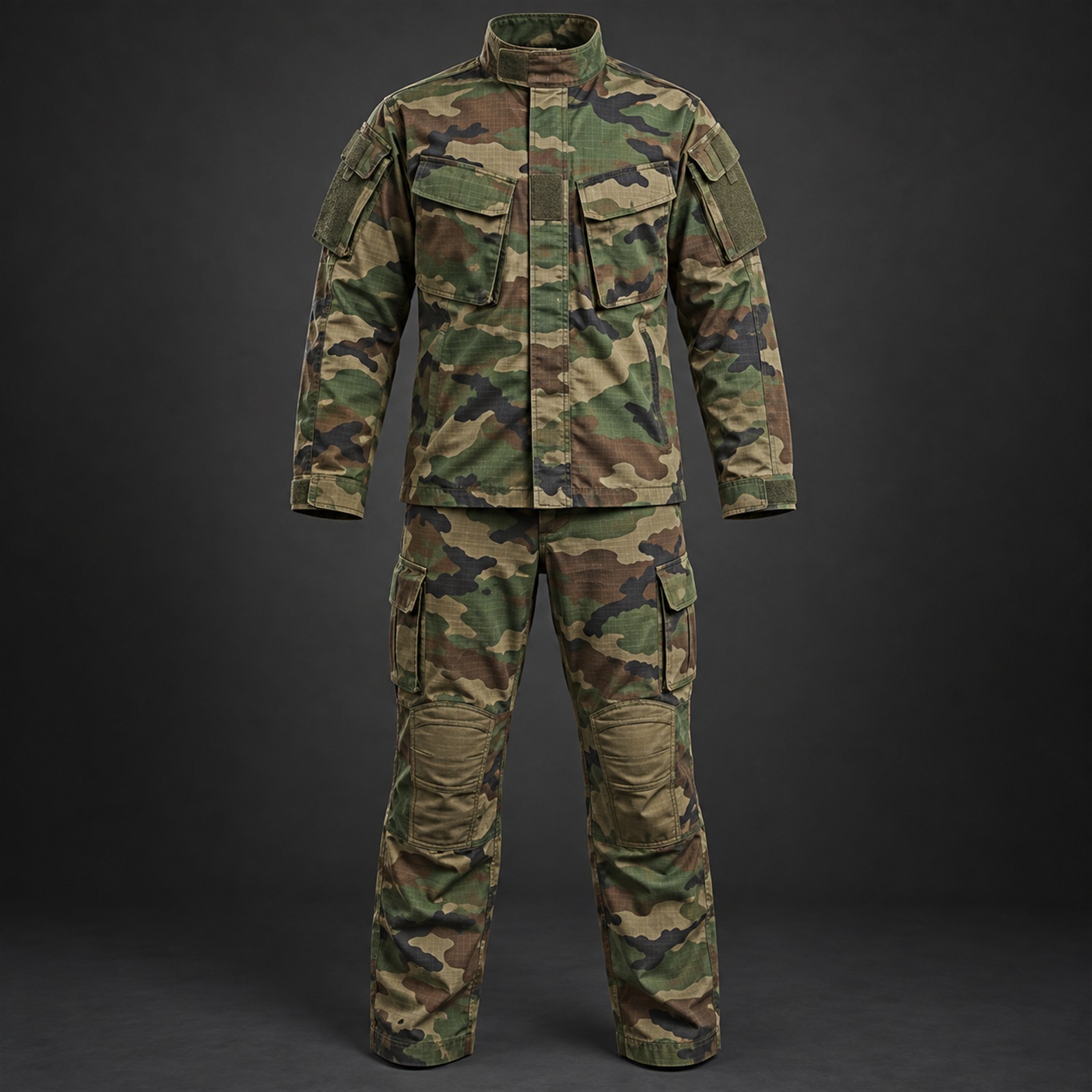
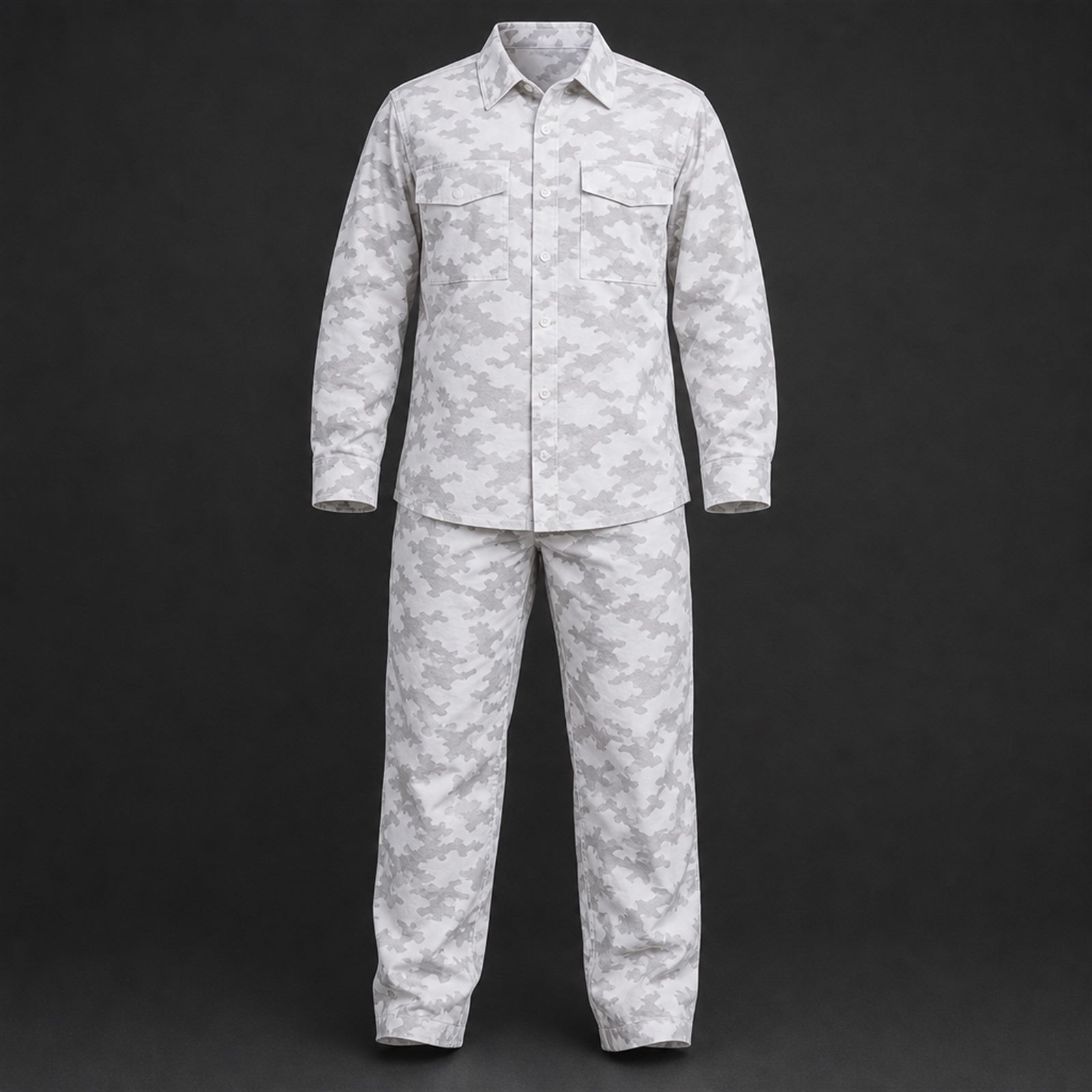
A tactical uniform set is a supply problem before it is a garment problem. When a shirt and a trouser are sold together, the customer judges the pair as one product, and the two most common failures have nothing to do with stitching: the top and bottom arrive in visibly different shades, or they are packed in the wrong size combination so a distribution channel ends up holding trousers it cannot sell. A set programme therefore needs decisions that a single garment does not — how the top and bottom are matched for shade and lot, whether the set is cut from one fabric lot or two, how sizes are paired and packed, and what happens when one piece is reordered later without the other. This page covers set composition, matched fabric and colour control, shirt and trouser construction, size development across both pieces, private label, sampling and bulk production for buyers who sell uniforms as sets rather than as separate garments.
Open the Tactical Uniform Sets buying guide
Tactical Uniform Sets
A uniform set is a specification problem that two separate garments do not have: the shirt and the pant have to behave as one system.
Tactical Uniform Sets
A uniform set only performs as a set if the shirt and the trousers behave as one garment.
Category
Hot weather tactical clothing is a set of trade-offs, not a fabric. Every decision that improves airflow or drying speed costs something: lighter, more open constructions give up abrasion resistance and shape retention; looser cuts ventilate better but behave differently under a plate carrier or belt; lighter colours reflect heat but show field dirt sooner. The buyer's job is deciding which trade-off is acceptable for the climate the garment will actually be worn in, because dry desert heat and tropical humidity pull the specification in different directions. This page sets out how we treat hot weather tactical clothing as an OEM/ODM programme: material selection by garment area, the construction changes that follow from the climate, and the cost attached to each performance gain. Figures such as fabric weight, composition and performance targets are confirmed per programme and to buyer specification rather than assumed.
Open the Hot Weather Tactical Clothing buying guide
Hot Weather Tactical Clothing
In sustained heat the limiting factor is not durability, it is whether the wearer can keep working.
Category
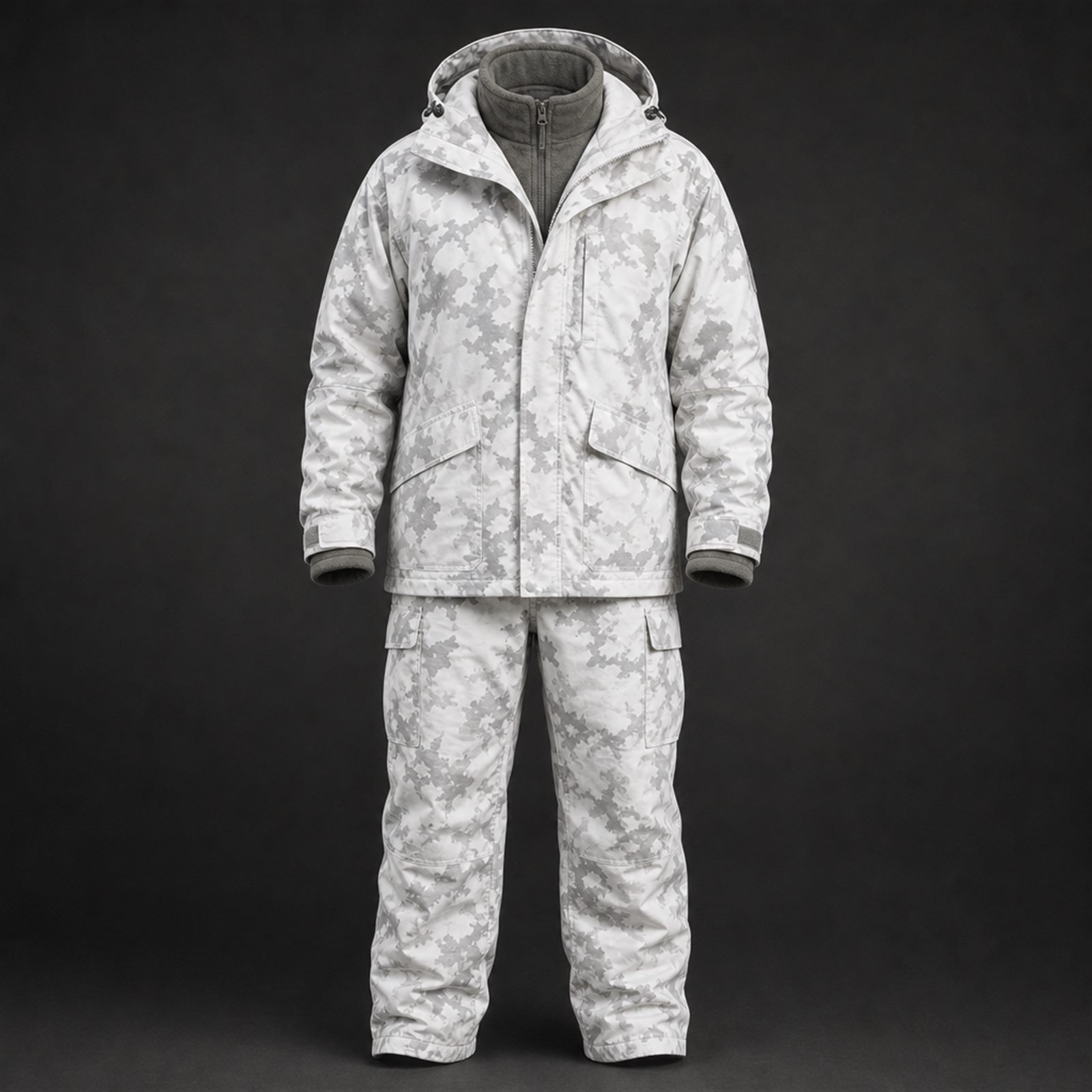
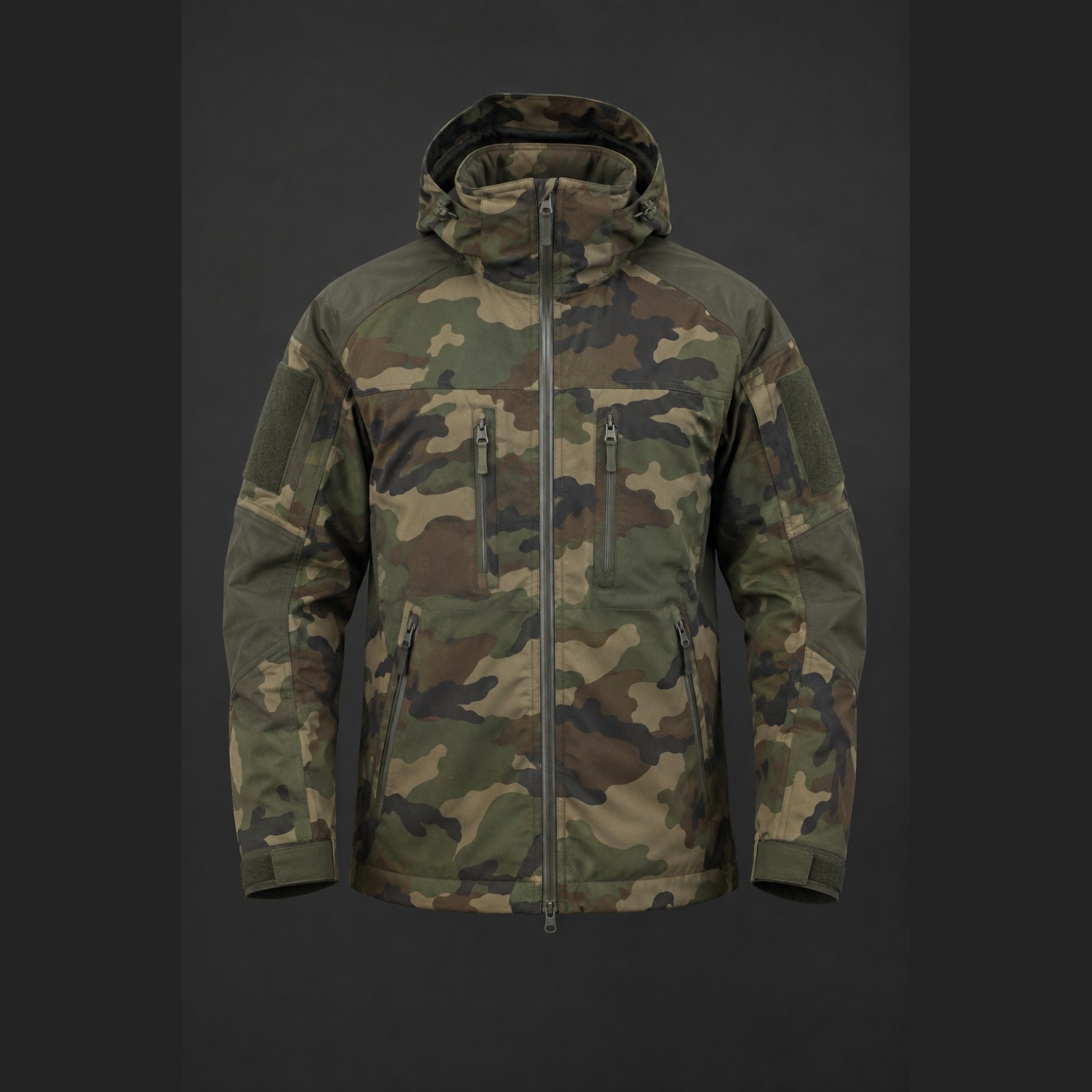
On a camouflage uniform, the print is the product. Buyers rarely reject a camouflage garment because of the stitching; they reject it because the pattern repeat lands badly on a small panel, because the shirt and trouser came from print lots that read as two different colours in daylight, or because the scale of the print makes the garment look wrong at the distance the end user is normally seen. All three are print and cutting decisions, not sewing decisions, and none of them can be fixed after the fabric has been printed. This page covers what a B2B buyer has to settle before a camouflage programme starts: the source and ownership of the artwork, print method and repeat scale, how a pattern behaves on small panels against large ones, shade control between print lots and between the two pieces of a set, base fabric selection, reinforcement, size development, private label, sampling and bulk production.
Open the Camouflage Uniforms buying guide
Camouflage Uniforms
A camouflage uniform set is judged on the print before it is judged on anything else.
Category
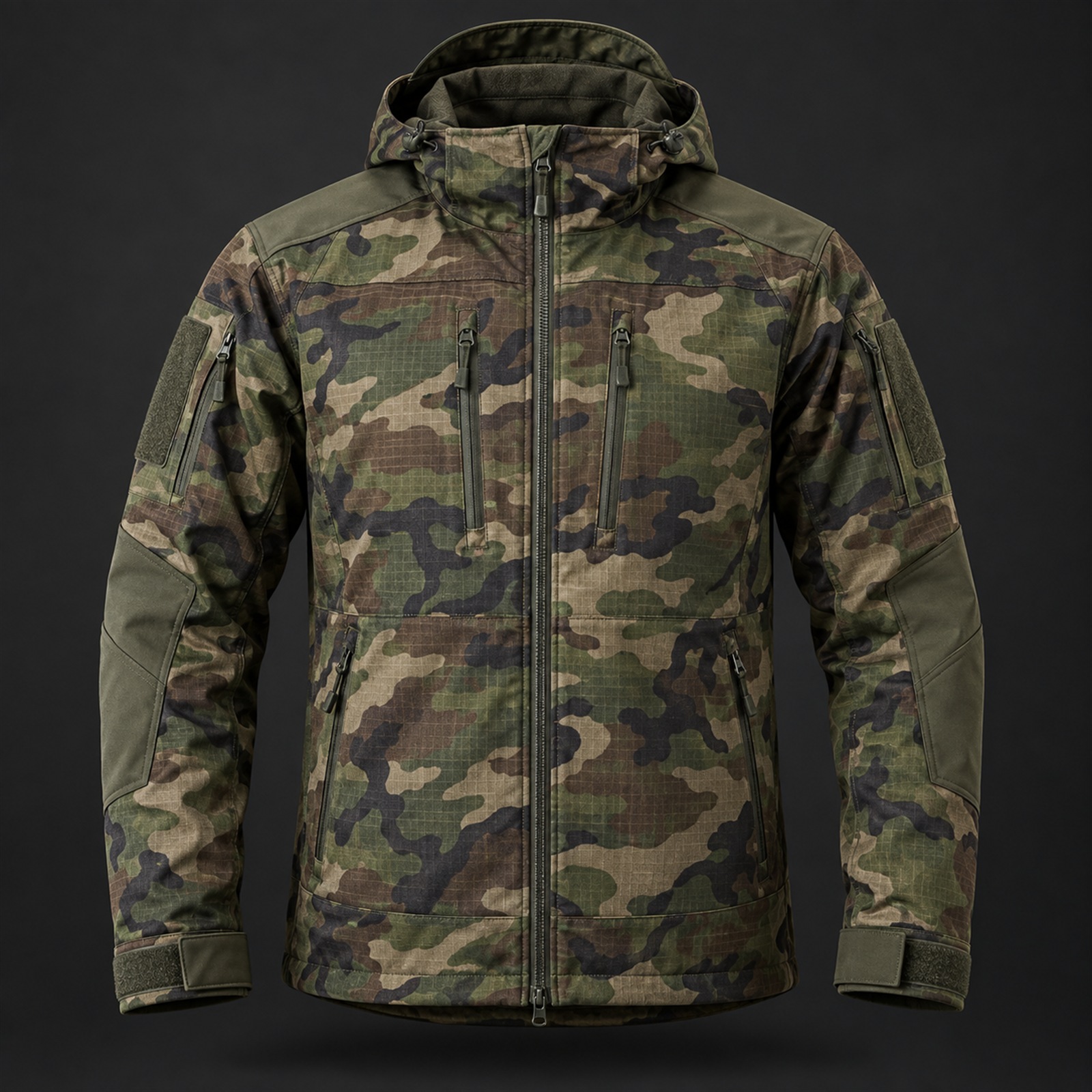
A tactical jacket is a set of decisions rather than a single garment. The shell fabric decides wind and water behaviour, the lining decides warmth and drying speed, and the pattern decides whether the jacket actually works over a plate carrier, a duty belt or a mid-layer fleece. Most buyers arrive with a clear look and an unclear specification, and the real work is turning that look into a construction that can be repeated identically across production runs. This page covers shell and lining selection, hood and collar geometry, cuff and hem adjustment, pocket layout, reinforcement at contact points, colour and camouflage control, size set development, private label, sampling and bulk production. It also states the trade-offs plainly, because they are the part buyers are rarely told: wind and water resistance usually cost breathability, insulation usually costs packability, and heavier shell fabrics usually cost quietness and drying speed. Deciding which of those costs your market will accept is the first real decision, and it should be made before fabric is ordered, not after the first sample arrives.
Open the Tactical Jackets buying guide
Tactical Jackets
A field jacket is bought for a specific job: it carries what the wearer needs to reach without opening a pack, stays out of the way when the wearer kneels, climbs or drives, and can be worn over a shirt or a fleece without becoming a straightjacket.
Category
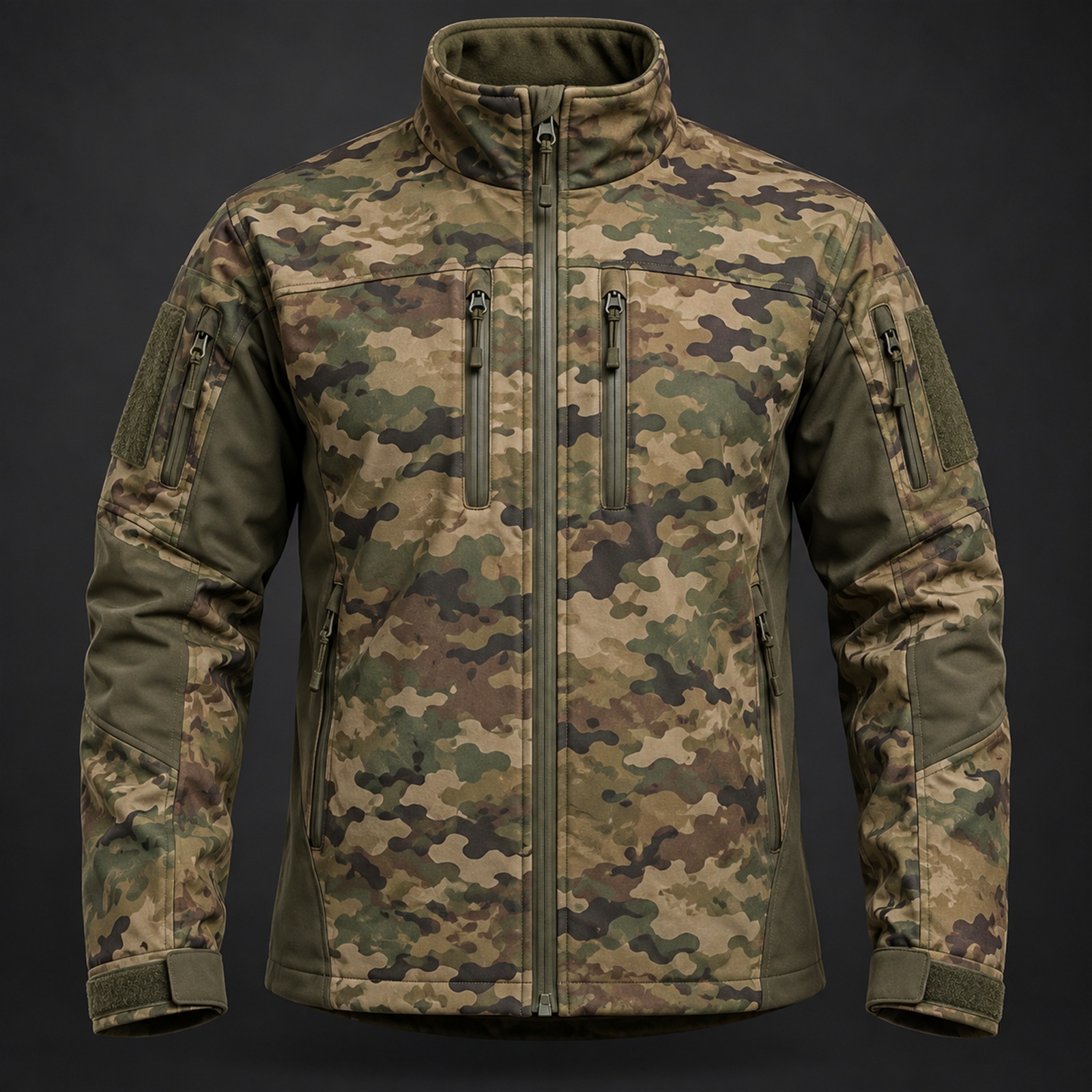
A softshell jacket sits between fleece and a hard shell, and that position explains both why buyers like it and why it is easy to get wrong. Softshell fabric is built to block wind and resist light moisture while staying quiet and flexible enough for movement, so it works in conditions where a fully waterproof shell would be too noisy, too stiff or simply unnecessary. The cost of that balance is real: softshell is not a rain jacket, and any attempt to push its water resistance upward tends to reduce breathability and softness. What decides whether a softshell program succeeds is usually less about the fabric name and more about the details around it, including how the shell handles stretch recovery, how the storm flap sits over the zip, whether the hood can be adjusted one-handed, and how the sleeve pattern allows reach without pulling across the chest. This page covers those decisions, plus lining options, reinforcement placement, colour control, size set development, private label, sampling and bulk production.
Open the Tactical Softshell Jackets buying guide
Tactical Softshell Jackets
A softshell is a compromise, and buyers who know which compromise they are buying get a better jacket.
Category
Cold weather tactical clothing is a warmth against mobility problem. Every layer that holds heat also holds bulk; every shell that blocks wind also reduces the escape of moisture from exertion; every gram added for insulation is a gram the wearer carries on a patrol, in a vehicle or up a slope. The buyer's decision is not how warm a garment can be made, but where the warmth is placed, how the wearer can dump heat when they are moving, and how much weight and bulk the end user will accept. Dry cold, wet cold and wind-driven cold each pull the specification in a different direction. This page covers how we approach cold weather tactical clothing as an OEM/ODM programme: insulation zoning by garment area, shell and lining selection, hood, collar and closure construction, and the cost each performance gain carries. Insulation weight, composition and performance targets are confirmed per programme and to buyer specification.
Open the Cold Weather Tactical Clothing buying guide
Cold Weather Tactical Clothing
A cold weather jacket has to hold warmth, allow movement and get rid of moisture, and those three requirements pull against each other.
Category
Wet weather tactical clothing is a protection against breathability problem, and it cannot be solved by choosing a better fabric alone. The more completely a garment keeps rain out, the more completely it keeps the wearer's own moisture in, which is why a fully waterproof shell worn during hard physical work can leave the user wetter than a water-repellent softshell. Seam sealing, storm flaps, hood geometry, cuff and hem adjustment and drainage all decide whether the promised protection survives contact with wind-driven rain. Drizzle, sustained rain and wet cold each require a different balance. This page covers how we approach wet weather tactical clothing as an OEM/ODM programme: shell and lining selection by garment area, seam and closure construction, the ventilation that keeps a sealed garment usable, and the cost each protection step carries. Water resistance performance is confirmed per programme and to buyer specification.
Open the Wet Weather Tactical Clothing buying guide
Wet Weather Tactical Clothing
A waterproof tactical shell is a set of compromises, and a buyer should know exactly which compromises are being made.
Category
A security or duty uniform is bought for two audiences at once, and they pull in opposite directions. The client and the public read the garment as an authority signal, so appearance, colour consistency and a sharp silhouette matter. The officer wears it for long shifts, in all weather, and judges it on comfort, movement and whether it survives constant laundering. Every specification choice sits between those two demands. A stiff, crisp fabric photographs well and holds its shape on a standing post, but it restricts movement and gets uncomfortable on a foot patrol. A soft, lightweight fabric is comfortable and dries quickly, but loses shape and looks tired after a few washes. This page covers shirt and trouser fabric selection, collar and epaulette construction, sleeve and cuff treatment, pocket layout, waistband and reinforcement decisions, insignia and badge application, size set development for mixed body types, private label, sampling and bulk production, and the colour consistency problem that decides whether a roll-out looks like one uniform or several.
Open the Security / Duty Uniforms buying guide
Security / Duty Uniforms
The shirt is the part of a security uniform the public actually reads, and it is also the part washed most often.
Security / Duty Uniforms
A security uniform is worn every working day, in front of the client's customers, and is expected to look formal on the last shift of the month exactly as it did on the first.
Security / Duty Uniforms
Duty pants are worn longer than any other garment in a uniform, usually with a belt loaded with equipment, and they are judged by whether they still look presentable at the end of a shift as much as by whether they survived it.
Category
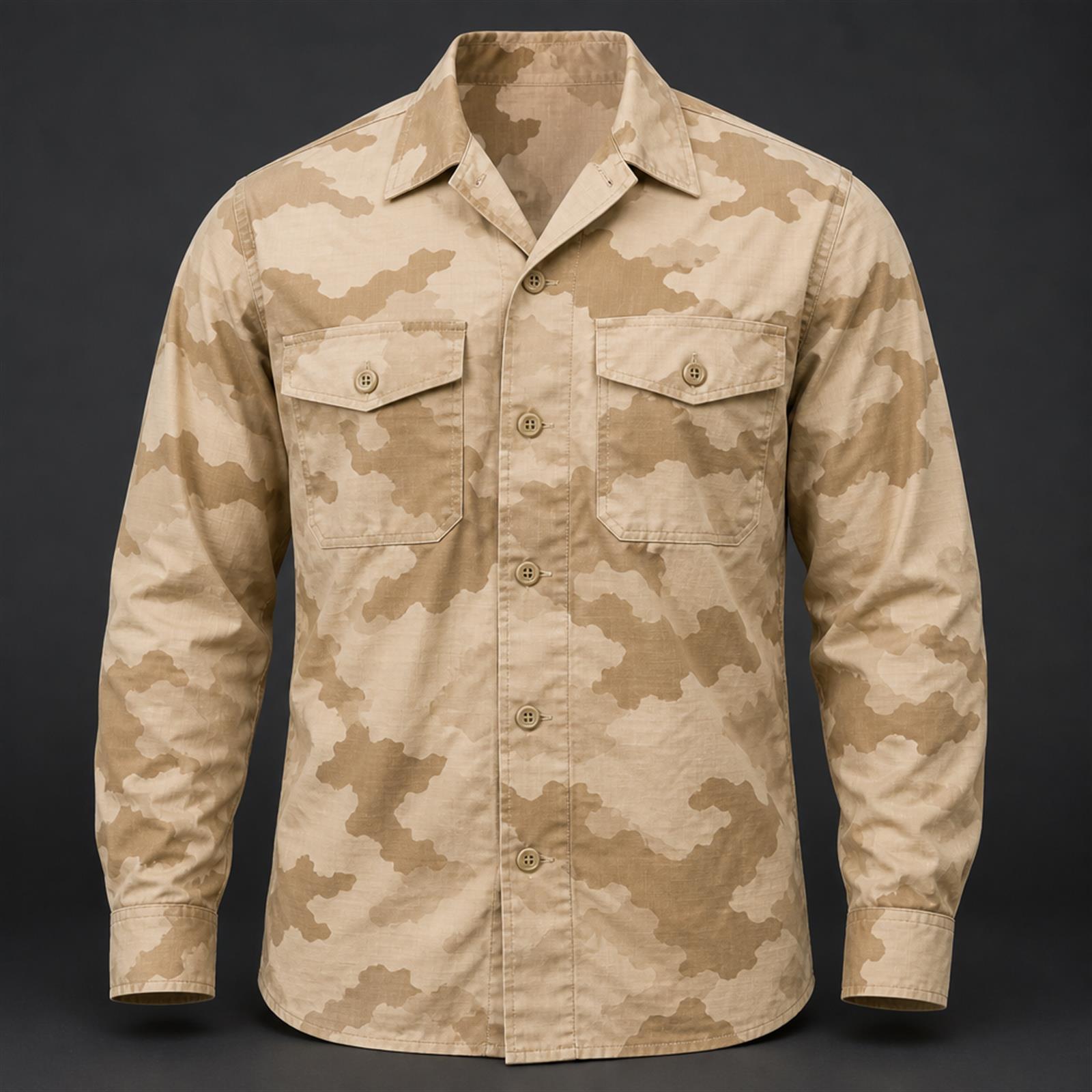
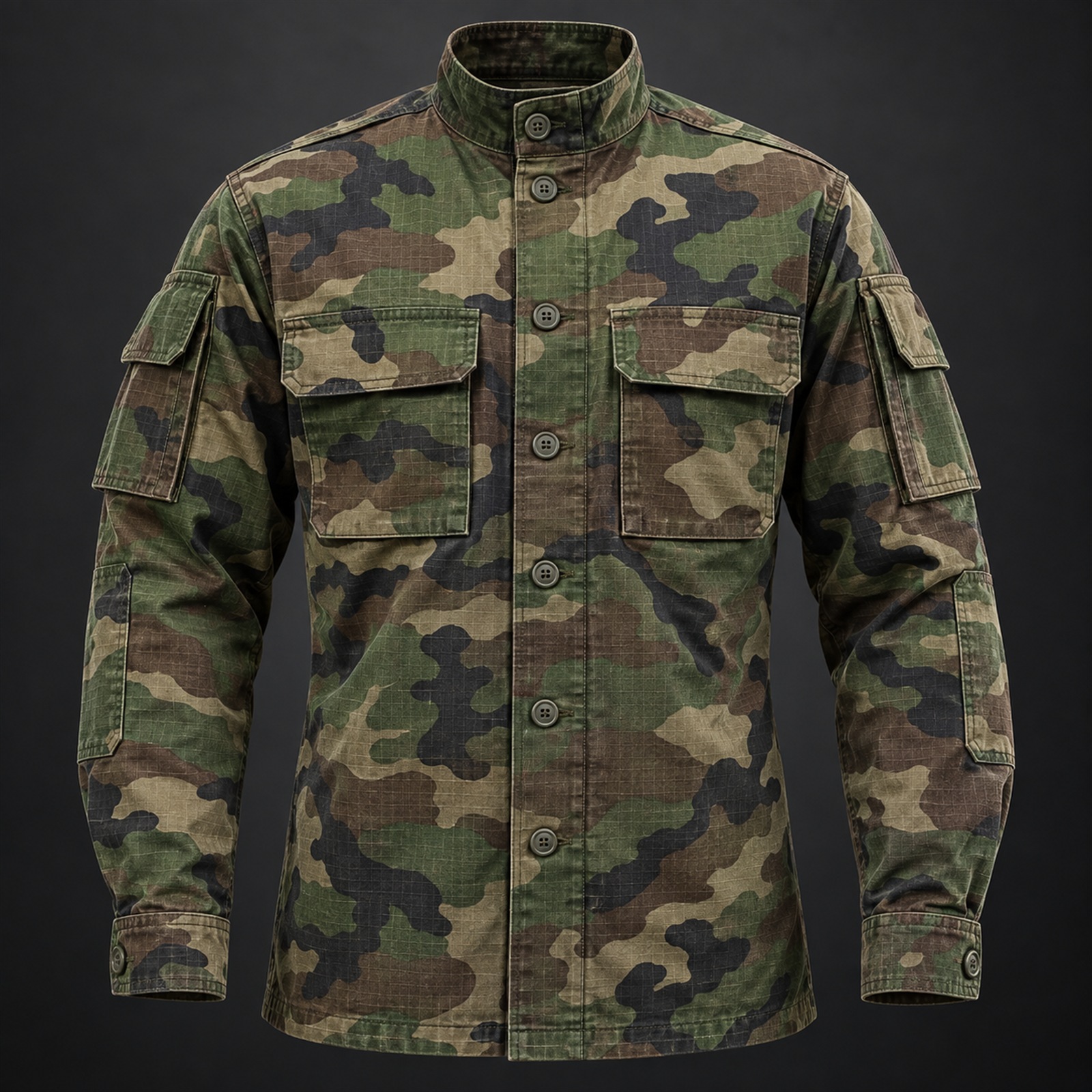
A field shirt is a conservative garment on purpose. It is button-front, it has chest pockets, it is worn tucked or untucked over a base layer, and it has to survive frequent laundering while still looking like a uniform on the wearer. That conservatism is exactly where buyers get caught: the failures on a field shirt are rarely dramatic, they are the placket gapping, a button pulling out of a reinforced flap, a collar that loses its shape after repeated washing, or elbows that wear through before the rest of the shirt does. These are pattern, interlining, stitch and fabric decisions, and they are settled before bulk. This page covers what a B2B buyer actually has to decide on a BDU-style programme: body fabric and weight, placket and button specification, collar construction, chest pocket layout, sleeve and elbow reinforcement, cuff type, epaulette and insignia provision, size development, private label, sampling and bulk production.
Open the Field / BDU Shirts buying guide
Field / BDU Shirts
The BDU field shirt earns its place by being the garment a wearer keeps on when conditions change.
Category
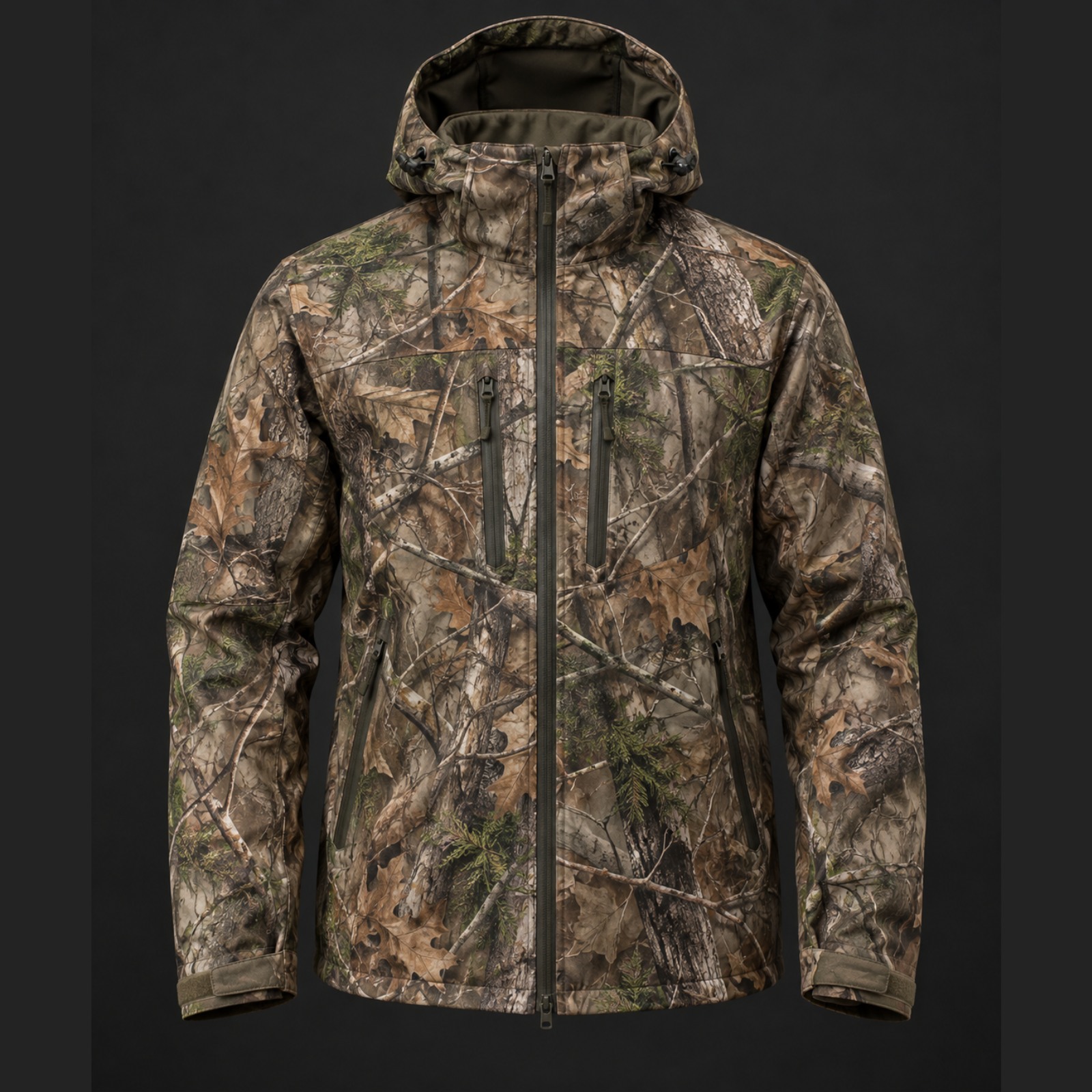
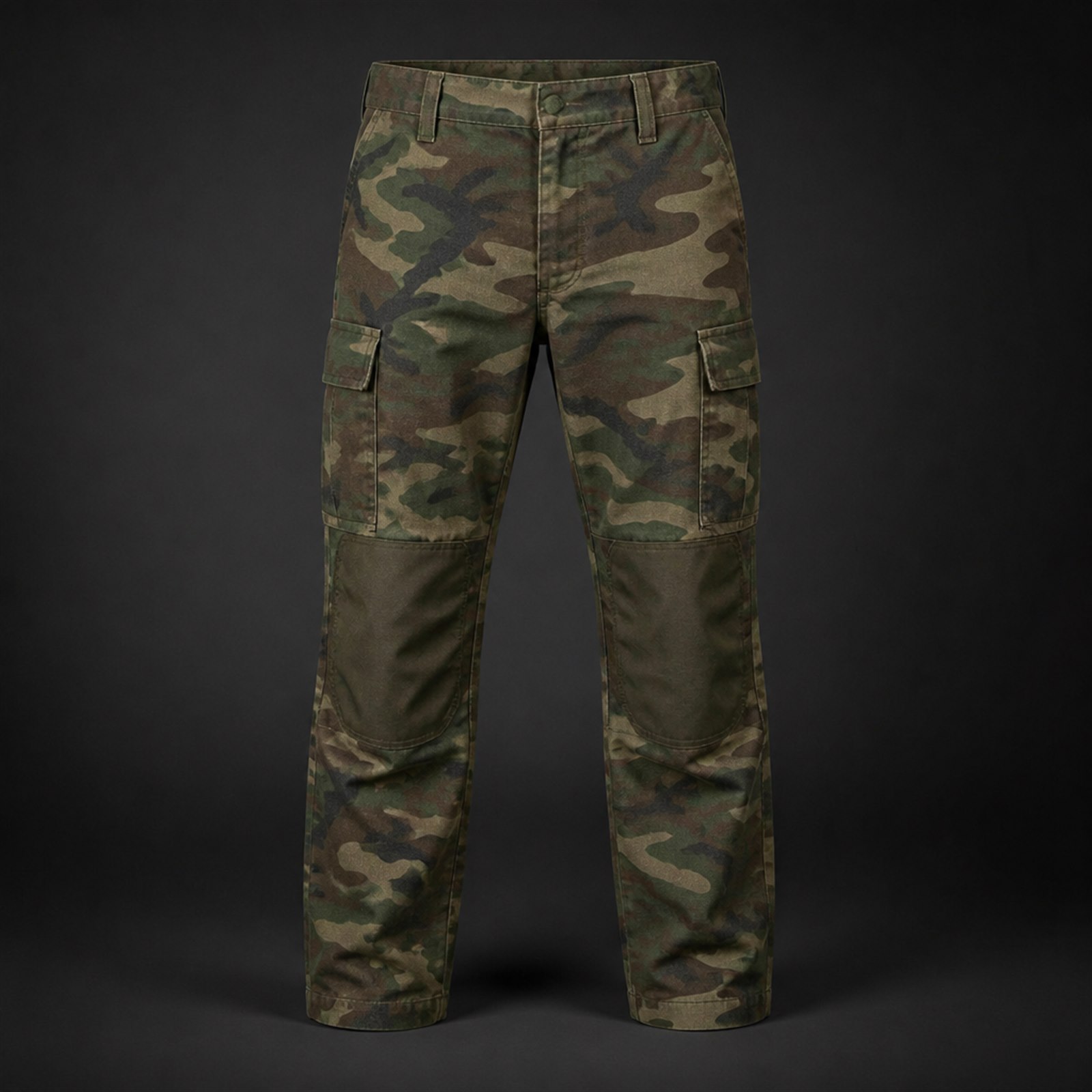
Hunting and outdoor camouflage clothing is the one apparel category where being seen is a defect. That single fact changes every specification decision. Fabric is judged on how much noise it makes when a branch drags across it, how the print breaks up a human silhouette at realistic distance, and how the garment behaves when the wearer is kneeling, crawling or sitting still for hours. The costs are specific and they are not optional. Quiet fabrics are generally softer and often less abrasion-resistant than a crisp ripstop. Higher water resistance usually means a stiffer, noisier surface. Heavier insulation adds warmth but reduces packability, which matters when the garment has to be carried rather than worn. Visibility is a further tension in markets where safety requirements apply, and the usual answer is a reversible or partially high-visibility construction with an agreed trade-off between concealment and being seen. This page covers shell and lining choice, hood and collar design, closure and pocket layout, quiet construction methods, seat and knee reinforcement, print and colour control, size development, private label, sampling and bulk production.
Open the Hunting & Outdoor Camouflage Clothing buying guide
Hunting & Outdoor Camouflage Clothing
A hunting jacket is judged by two properties that pull against each other: how quietly it moves through brush, and how well it survives that brush.
Hunting & Outdoor Camouflage Clothing
Hunting pants fail in predictable places, and they fail for predictable reasons.
Category
This is not a garment category in the usual sense. A cold weather layering system is the composition a wearer actually uses — what is worn while moving, what is added when they stop, what comes off indoors — and it is bought by buyers who have concluded that specifying garments one at a time produces four good items that do not work together. The system approach defines the Base, Mid, Insulation and Shell layers as one set of decisions: how moisture moves through the whole stack, how much sizing allowance each layer carries over the one beneath it, which interfaces have to agree, and which combinations are worn in which state of activity. This page is for buyers defining a system rather than a product, and it covers the part that is usually neglected — how the composition is written down so the second order matches the first.
Open the Cold Weather Layering Systems buying guide
Cold Weather Layering Systems
This is not a garment category in the usual sense.
Category
The cold weather shell is the outermost layer of a Base / Mid / Insulation / Shell system, and it is judged by what it keeps out rather than by what it provides on its own. It has to stop wind reaching the insulation, keep wet snow, sleet and rain away from seams and openings, and still let the moisture the wearer generates escape where the design allows. This is a construction problem more than a fabric problem: in practice, cold weather shells leak at a small number of predictable places — fronts without a storm flap, cuff and hem openings, pocket edges, hood interfaces and seams under load. This page covers the shell as a distinct category from insulated jackets and from general softshells: outer fabric selection for wet cold versus dry cold, seam treatment per position, opening and closure design, hood and collar interfaces, ventilation, and how the shell is sized and documented so it can be produced again identically.
Open the Cold Weather Shell Jackets buying guide
Cold Weather Shell Jackets
The shell carries no warmth of its own, and that is the point of it.
Category
Cold weather tactical pants are the lower half of a layering system, and they are specified differently from the jacket for two reasons. Legs generate heat while moving, so they need less insulation than the torso and more ventilation; and the lower body is where the garment meets the ground, the boot and the seat, so reinforcement and sealing matter more than loft. In the four-layer model these trousers sit across the insulation and shell layers of the lower half, worn over a thermal base layer and, in the coldest programmes, under or instead of a separate shell. The trade is constant: more insulation adds bulk at the seat and behind the knee, which restricts kneeling, climbing and driving; a tighter boot interface seals out snow and traps moisture; heavier reinforcement at the knee resists abrasion and stiffens the articulation. This page covers lining and insulation placement, knee and seat construction, the boot interface and the sizing that layering demands.
Open the Cold Weather Tactical Pants buying guide
Cold Weather Tactical Pants
A cold weather pant is not a jacket for the legs.
Category
A cold weather uniform set is bought as one line on a tender and issued as one outfit, but it is produced as several garments that must agree with each other. That is where sets fail. A jacket and trouser in the same nominal size can leave a gap at the waist, a mid layer can bind under a shell in the shoulders, and two fabric types dyed to the same reference can look different side by side. This category is the whole-kit version of a Base / Mid / Insulation / Shell system: the buyer specifies the set, the layers inside it and how it is issued, rather than specifying garments one at a time. This page covers the decisions that belong to sets specifically — which layers are included, how the set divides into jackets and trousers, how size consistency is held across every component, how colour and trims are matched across different fabric types, and how the set is labelled, packed and issued per person for a large staff group.
Open the Cold Weather Uniform Sets buying guide
Cold Weather Uniform Sets
A cold weather uniform set is bought as one line on a tender and issued as one outfit, but it is produced as several garments that have to agree with each other.
Category
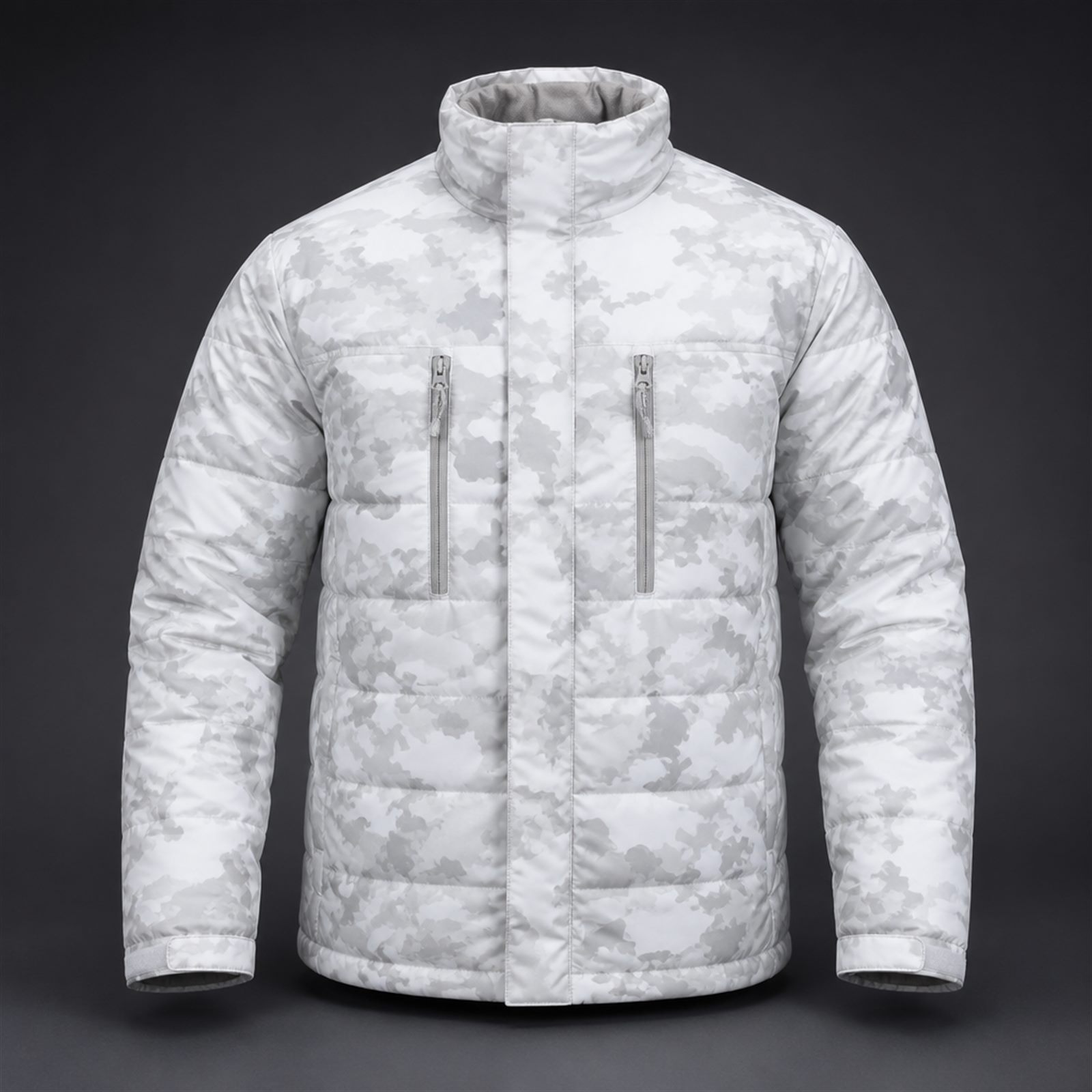
An extreme cold weather jacket is a jacket specified for the coldest condition a programme expects, and it is defined less by what it is filled with than by where it sits in a layering system. In the four-layer model of base, mid, insulation and shell, this jacket usually occupies the insulation layer, with a separate protective shell above it, though some programmes combine both functions in one garment. That positioning decision changes everything downstream: proximity to the body, sizing allowance over the layers beneath, ventilation, hood and collar interfaces, and how the jacket is repaired or replaced. It also carries a cost. More insulation adds bulk that restricts shoulder rotation; more wind and water protection reduces moisture escape during exertion; a heavier shell is weight the wearer carries all day. This page covers the jacket category itself — which jacket belongs at which layer, how shell and insulation are specified together, and what each decision costs.
Open the Extreme Cold Weather Jackets buying guide
Extreme Cold Weather Jackets
An extreme cold weather jacket is specified for the coldest condition a programme expects, and it is defined less by what it is filled with than by where it sits in a layering system.
Category
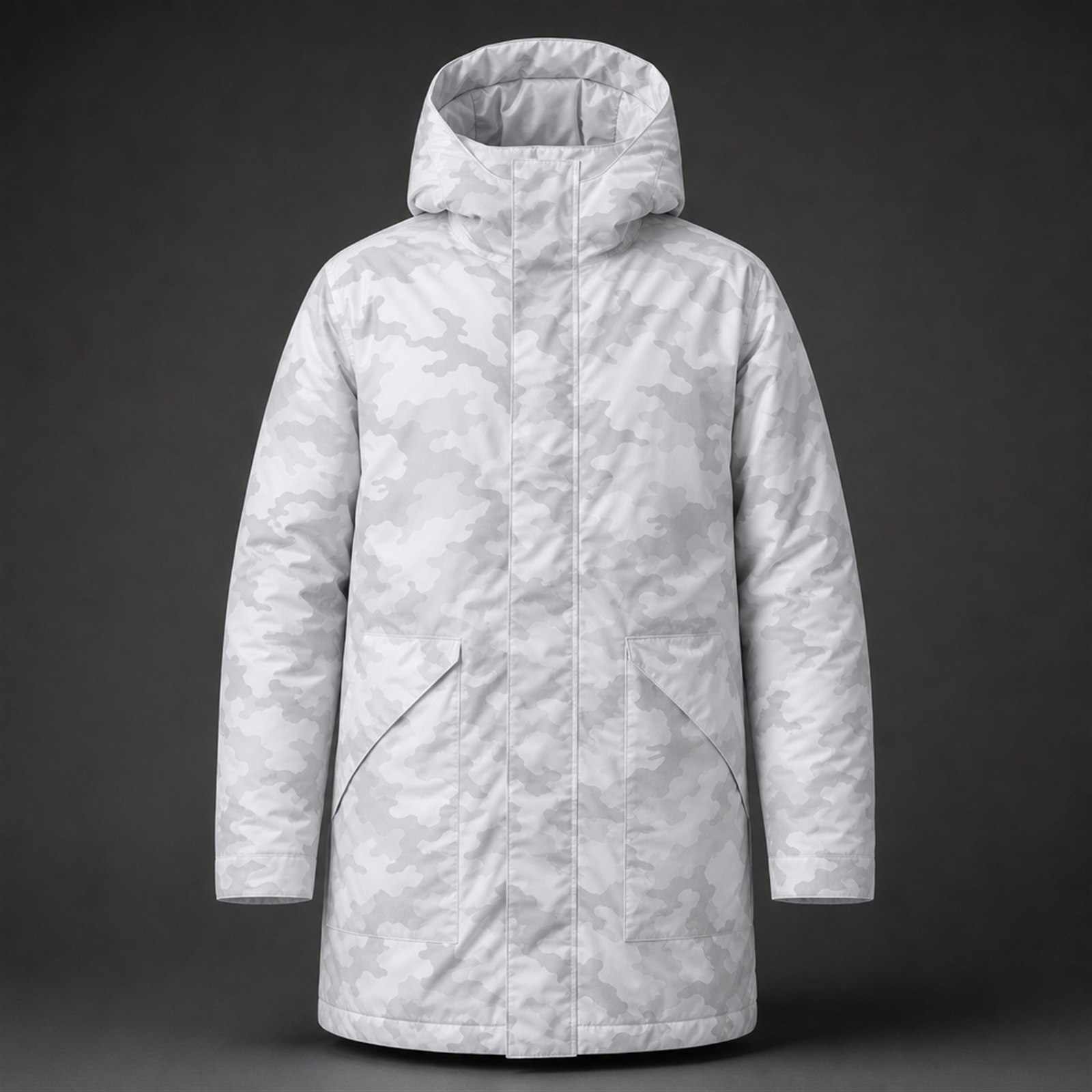
A parka is defined by length. The garment extends below the hip to cover the seat and upper leg, which is where a jacket stops protecting the wearer and where cold reaches the body fastest on a stationary post. That extra length is also the whole engineering problem: a longer garment has to be opened for the wearer to walk, climb or get into a vehicle, it weighs more, it packs larger, and it needs a closure that can be undone from both directions without the hem collapsing. Many parkas solve part of this by carrying insulation in a removable liner, so one outer shell covers a wider working range and a damaged or wet liner can be replaced on its own. In the four-layer model the parka usually combines the insulation layer and the protective shell in one garment, worn over a base layer and a mid layer. This page covers length, liner construction and the trades that come with both.
Open the Extreme Cold Weather Parkas buying guide
Extreme Cold Weather Parkas
A parka for extreme cold is a system, not a garment with more filling.
Category
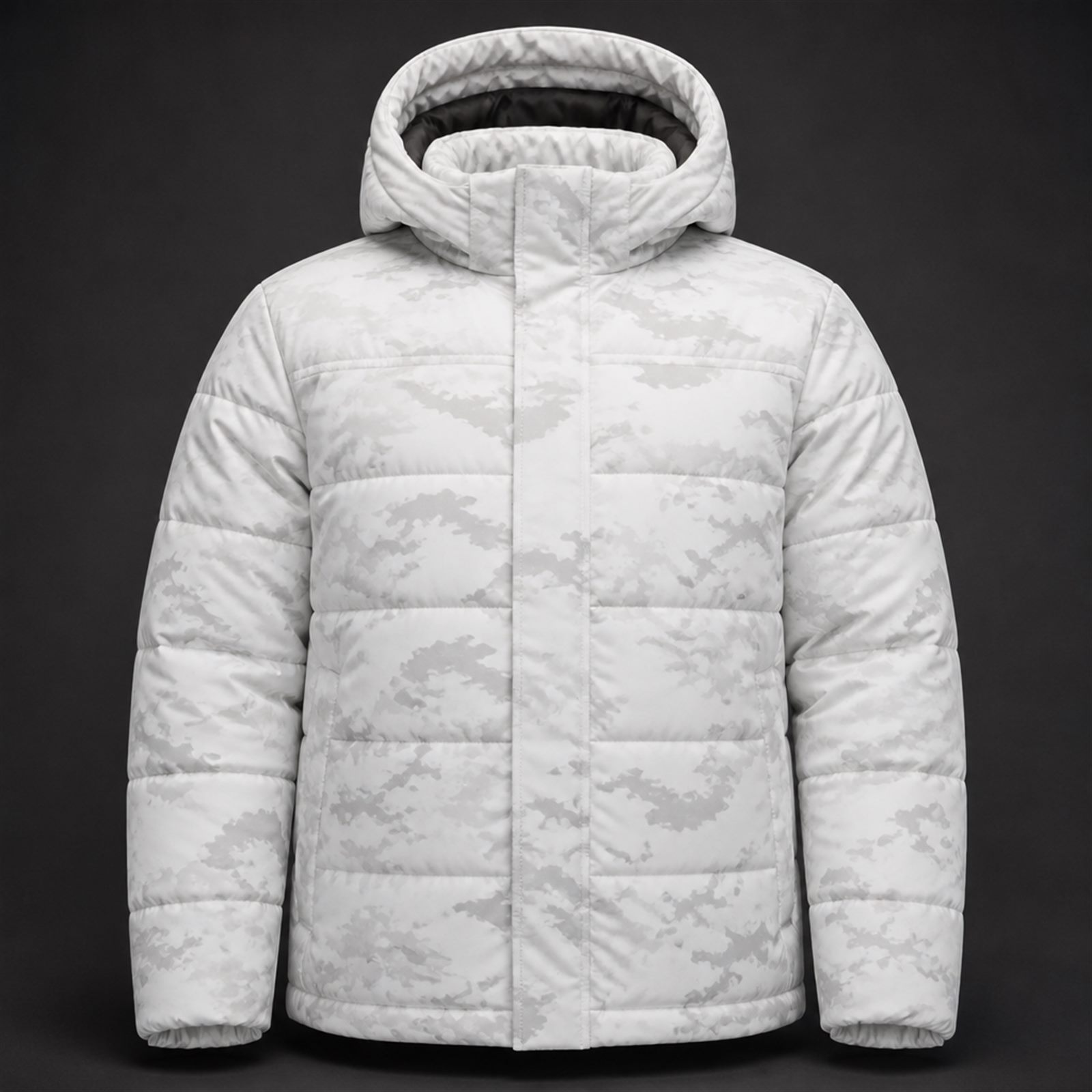
An insulated tactical jacket is defined by its fill: a layer of lofted material carried inside the garment to hold the warmth the wearer generates. That fill is held in place by quilting, baffles or channels, and how it is held decides almost everything about the jacket — where warmth sits on the body, how much bulk the arms have to move against, whether the jacket recovers after being packed, and how it behaves once damp. In the four-layer model this category belongs at the insulation layer, above the base and mid layers and below the protective shell, though many programmes wear it as an outer layer in cold that is dry and not severe. The trade is constant: more fill means more bulk and less breathability; tighter quilting means lower loft but better resistance to fill migration; a lighter shell means better moisture escape but less wind protection. This page covers the fill decisions, the quilting and baffle construction, and what each choice costs.
Open the Insulated Tactical Jackets buying guide
Insulated Tactical Jackets
An insulated tactical jacket is defined by its fill: a layer of lofted material carried inside the garment to hold the warmth the wearer generates.
Category
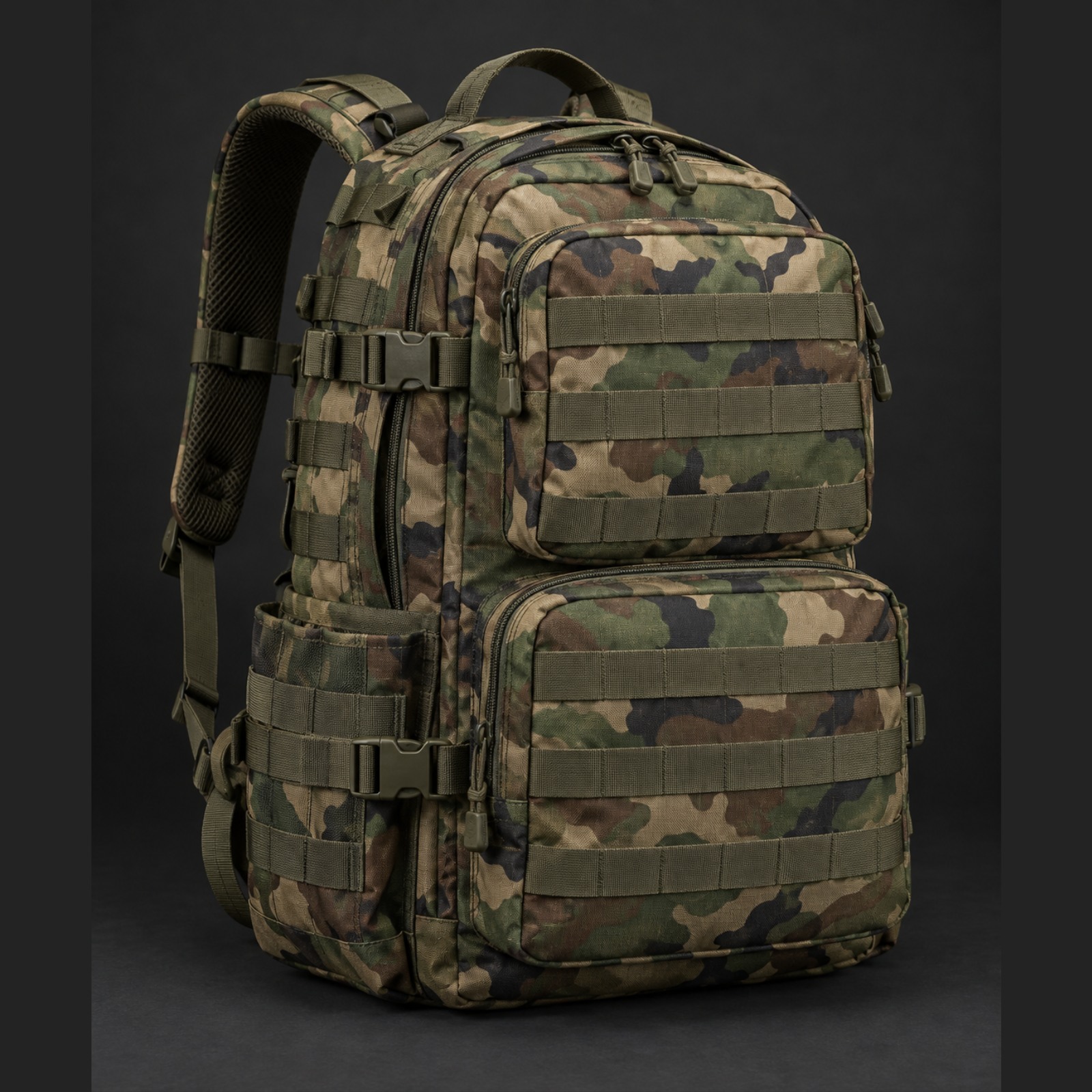
Load carriage fails differently from clothing: nobody notices a bag until it tears at the shoulder strap under weight, or until the MOLLE rows stop lining up with the pouches the buyer already owns. This page is the buying side of that problem — what decides a pack's real load rating, which specification points have to be locked before sampling, and what to demand on the fifth production run. We build packs, chest rigs and hydration carriers as OEM and ODM, on your pattern, your webbing layout and your label, alongside the uniforms and boots they are worn with.
Open the Tactical Bags & Packs buying guide
Tactical Bags & Packs
A pack is judged twice: once when the buyer hangs their own pouches on it, and once at the end of a season when the shoulder straps have carried weight every day.
Category
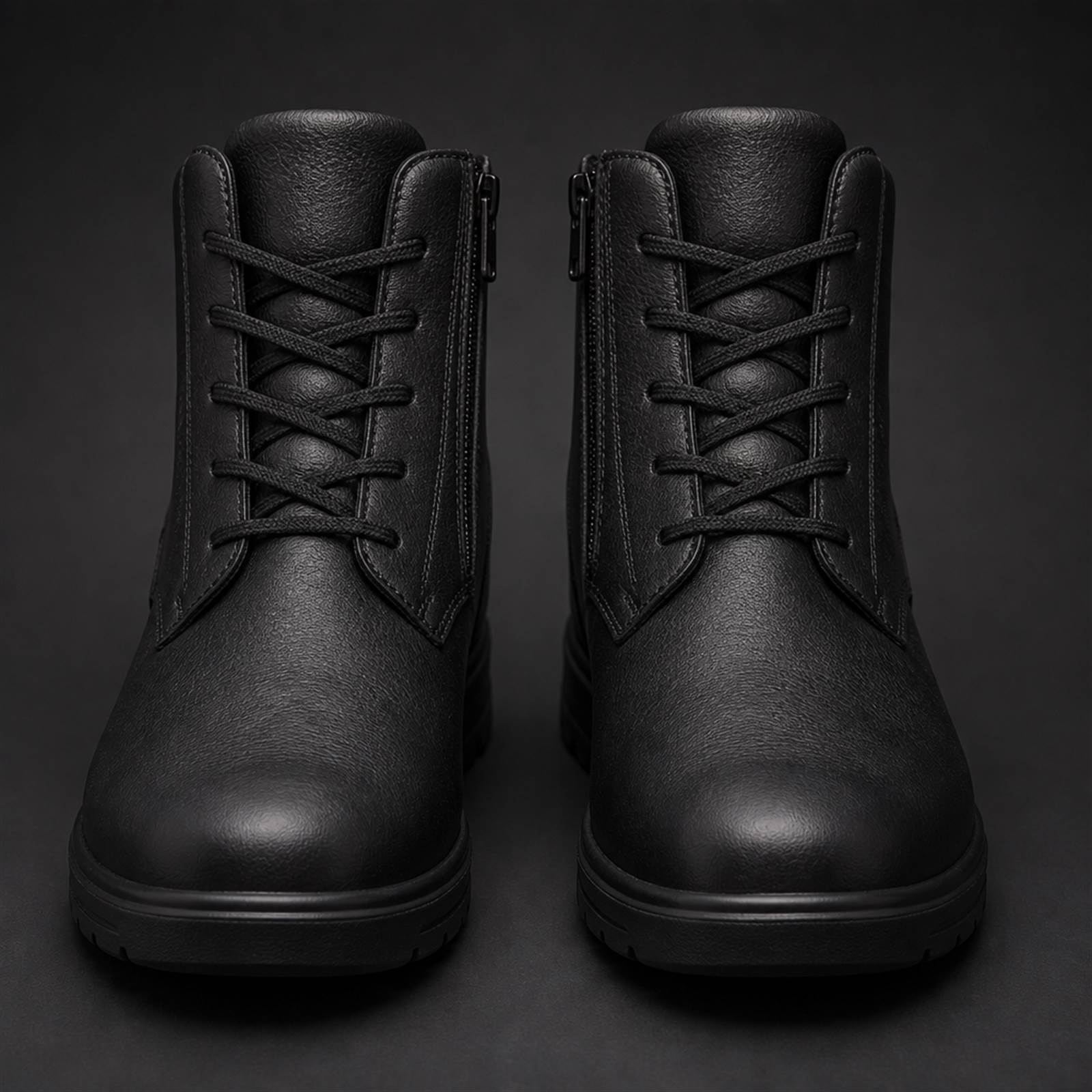
Tactical boots are where a uniform programme usually fails last: cloth is easy to re-order, but a boot that changes fit, sole or membrane between production runs breaks the programme quietly. This page is the buying side of that problem — what decides fit and durability, which specification points must be locked before sampling, and what to demand on the fifth order. We build boots as OEM and ODM on your last, your outsole mould and your label, alongside the uniforms they are worn with.
Open the Tactical Boots buying guide
Tactical Boots
A side-zip boot exists for one reason: a shift worker can lace it once and zip it every time after.
Category
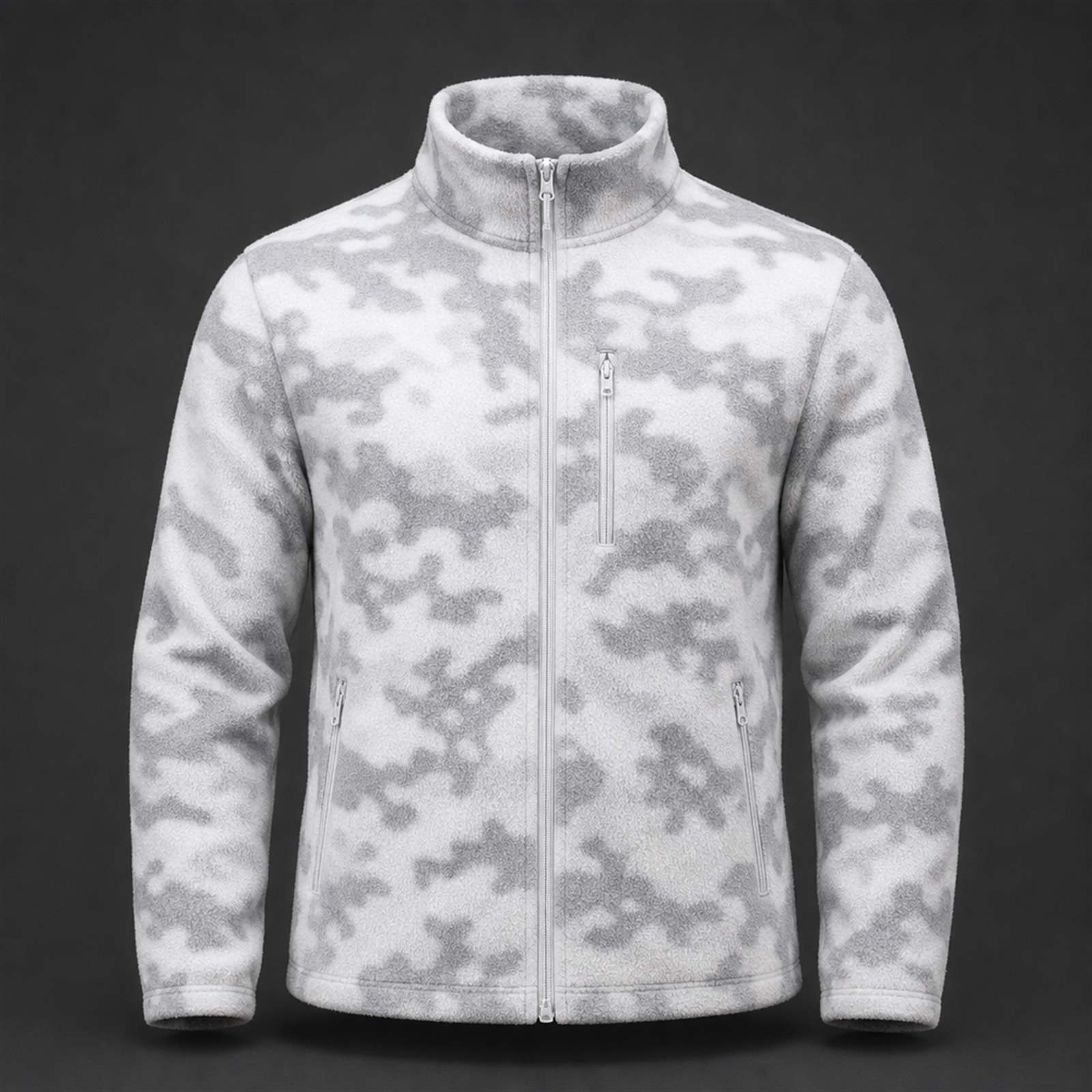
A fleece or mid layer is not simply a warmer shirt. It is the layer that has to hold warmth while the wearer is moving, and to release moisture before that moisture reaches the insulation above it. In a Base / Mid / Insulation / Shell system it sits directly over the base layer and directly under the insulation or shell, which means both of its faces matter: the inner face has to pass vapour and moisture on, and the outer face has to keep air trapped without blocking that path. Buyers come to this category when a base layer and an outer jacket are already specified and the system still underperforms during movement, or when one garment has to cover the largest part of a working day on its own. This page covers what we build here: grid and loft fleece, brushed knit mid layers and light insulated mid layers, plus the construction decisions — collar, closure, cuff, hem, ventilation and pocketing — that decide how each behaves once a shell is worn over it.
Open the Tactical Fleece & Mid Layers buying guide
Tactical Fleece & Mid Layers
A fleece or mid layer is not simply a warmer shirt.
Category
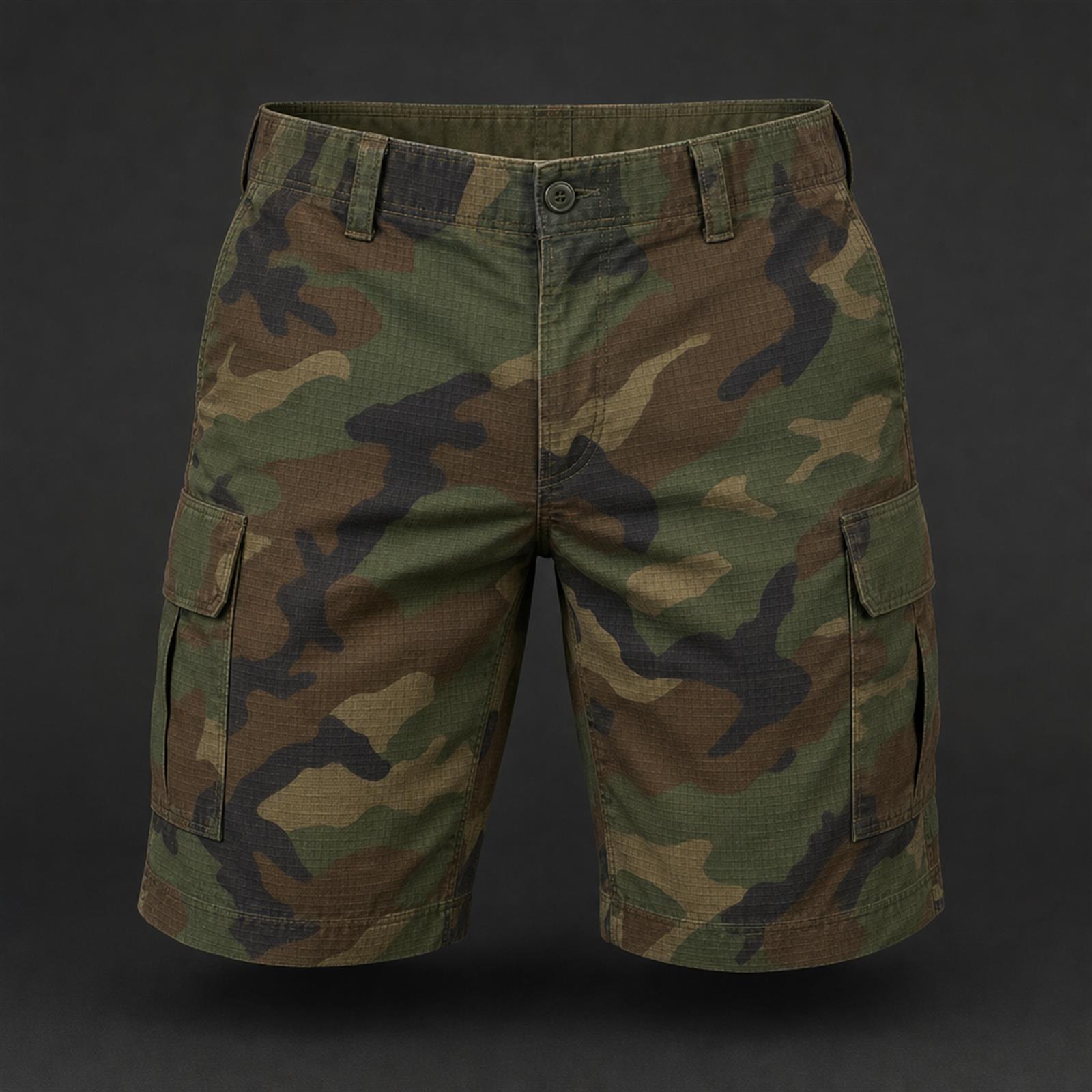
Shorts look like the easy half of a uniform programme and behave like the difficult one: they take the most abrasion, the most laundering and the most squatting, and they are the garment a buyer re-orders in the largest quantities for hot markets. This page is the buying side of that problem — why a pair that looks right in a sample can lose its shape after twenty washes, which specification points must be locked before sampling, and what to demand on the fifth order. We build cargo and duty shorts as OEM and ODM on your pattern and your label, in the same fabric programme as the trousers they are sold beside.
Open the Tactical Shorts buying guide
Tactical Shorts
Cargo shorts take more abuse than any other garment in a uniform programme: the most kneeling, the most laundering and the heaviest pockets.
Category
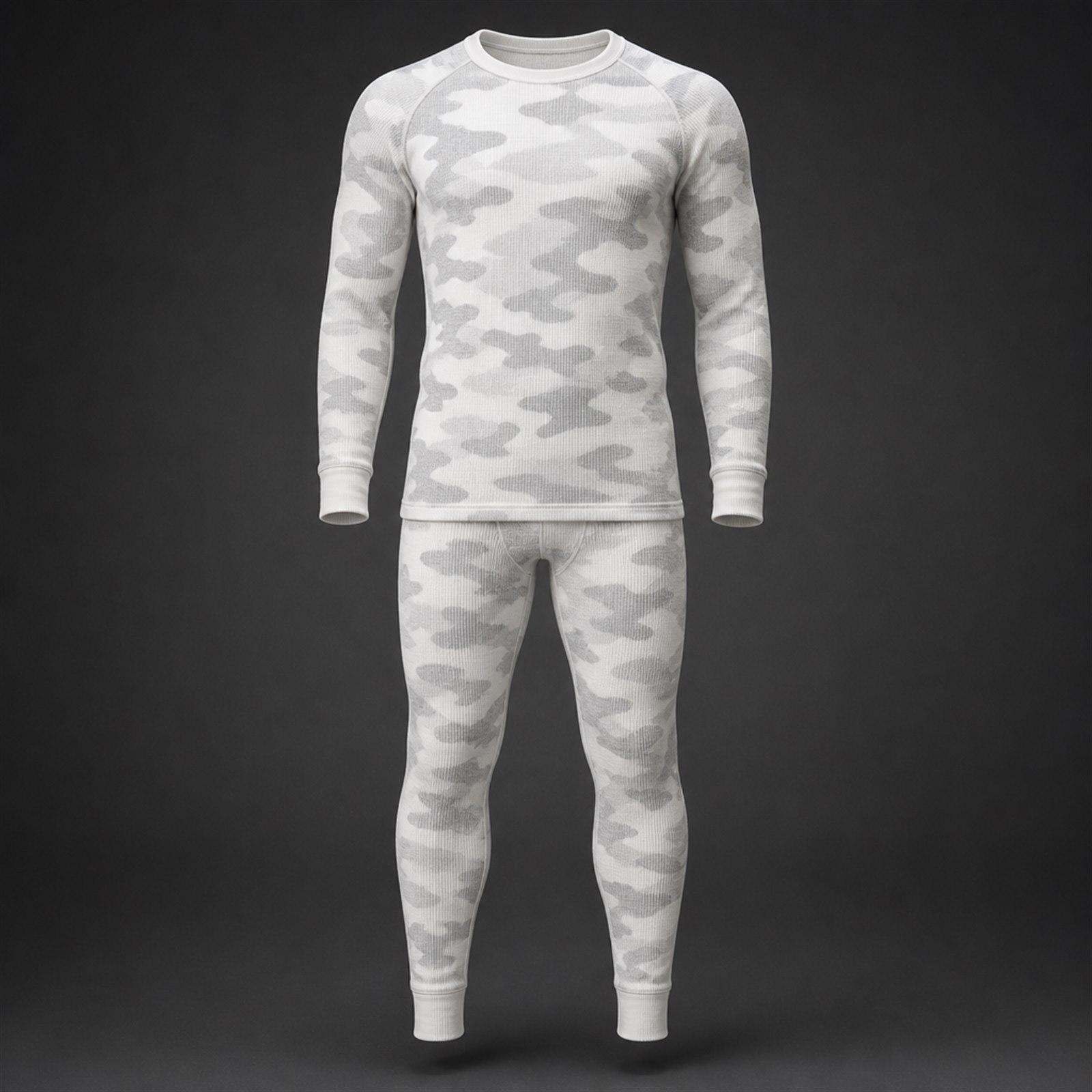
A thermal base layer is not an ordinary undershirt with a warmer name. It is the innermost layer of a cold weather system, and its job is to move perspiration away from the skin so the layers above it can keep working. That function depends on the fabric, but it depends just as much on fit: a layer that does not touch the skin cannot move anything off it. Base layers also sit against the body for the whole working period, so seam construction, gusseting, neckline shape and how the fabric behaves after repeated laundering decide whether the garment is worn or left in the kit bag. In the four-layer model of base, mid, insulation and shell, this is Layer 1, and it is the layer most often specified last and regretted first. The trade is real: a thicker base layer feels warmer when it goes on and dries more slowly, while a thinner one moves moisture faster and provides less warmth when the wearer is static.
Open the Thermal Base Layers buying guide
Thermal Base Layers
A base layer is the cheapest garment in a layering system and the one that decides whether the rest of it works.
Category
Winter pants fail for reasons that have very little to do with the fabric specification on the order sheet. Water and snow enter low on the body: at the leg opening, through the fly and waist, along seams that sit under compression when the wearer kneels or sits, and at the seat where wet ground contact happens. This category is the lower-body shell of a Base / Mid / Insulation / Shell system, and it is a construction problem first. The questions that decide the outcome are how the leg opening seals against the boot, how far up the leg the closure opens so the pant can be put on over footwear, how seams are positioned and treated where the wearer kneels, and how much allowance the pant carries when it is worn over a base layer and an insulated layer. This page covers waterproof winter tactical pants as a distinct category from general tactical trousers and from insulated pants: hem and boot interfaces, seam and knee protection, waist and fly design, and how to document the specification for repeat orders.
Open the Waterproof Winter Tactical Pants buying guide
Waterproof Winter Tactical Pants
Winter pants do not fail because the fabric on the order sheet was wrong.
Send us your tech pack, reference sample or product idea. We review your requirement, recommend materials and construction, and come back with a development plan you can act on.