Materials
Poly Cotton Ripstop Fabric for Tactical Clothing
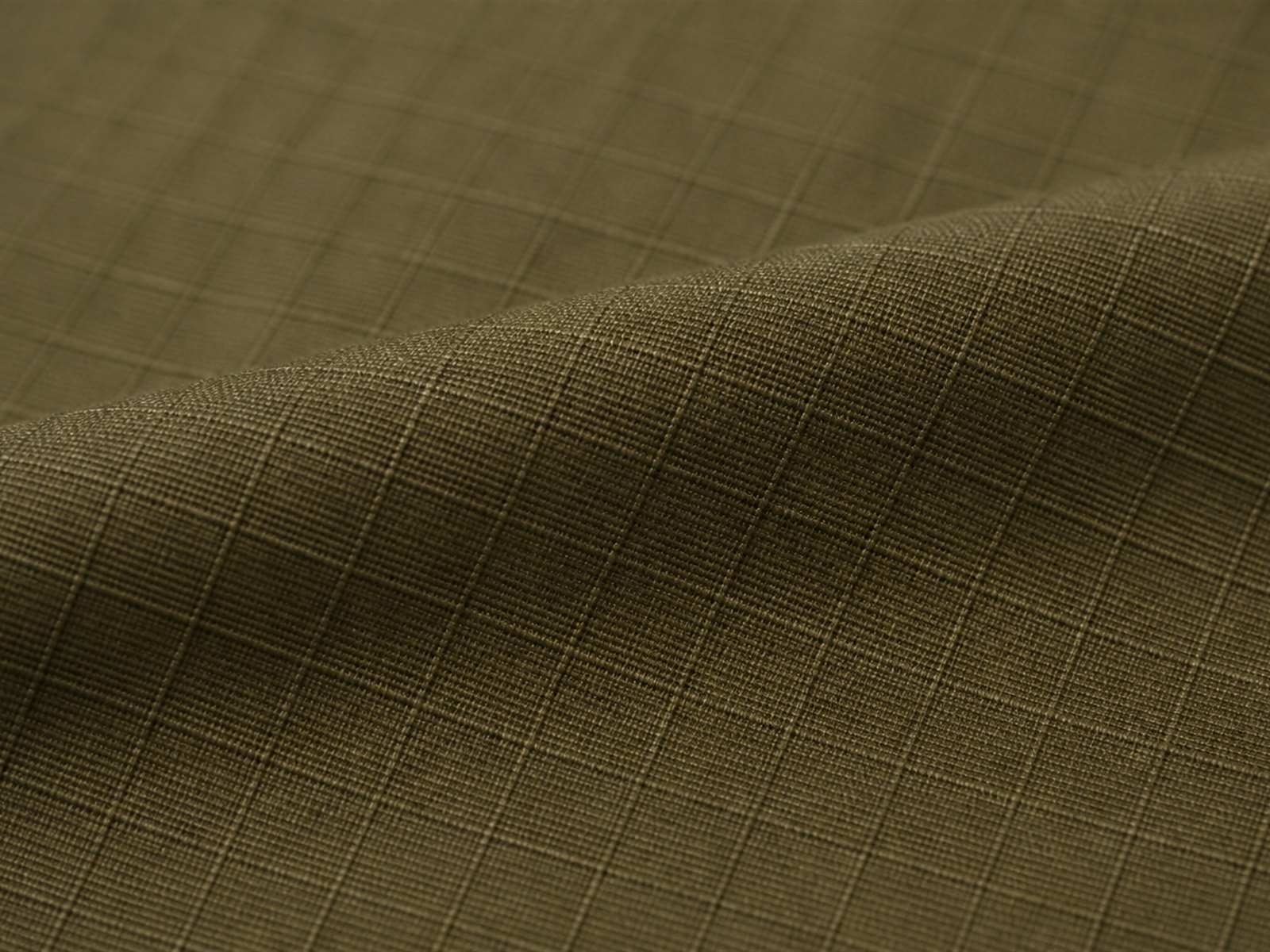
Poly cotton ripstop is a woven fabric built from a blend of polyester and cotton, reinforced with a grid of thicker yarns woven at intervals. That grid is what stops a small tear from running. The blend is why the fabric sits in the middle of the tactical market: polyester contributes strength, dimensional stability and faster drying, while cotton contributes hand-feel and comfort in dry heat. It is one of the most widely used sleeve and trouser fabrics in tactical and uniform production, and it is usually the first option a buyer evaluates against NYCO and cotton ripstop.
- Composition
- DATA REQUIRED
- Weight range
- DATA REQUIRED
- Best applications
- Hot Weather · Desert · Heavy Duty / Field · Wet Weather
Gallery
Poly Cotton Ripstop in detail
What it is
What is it?
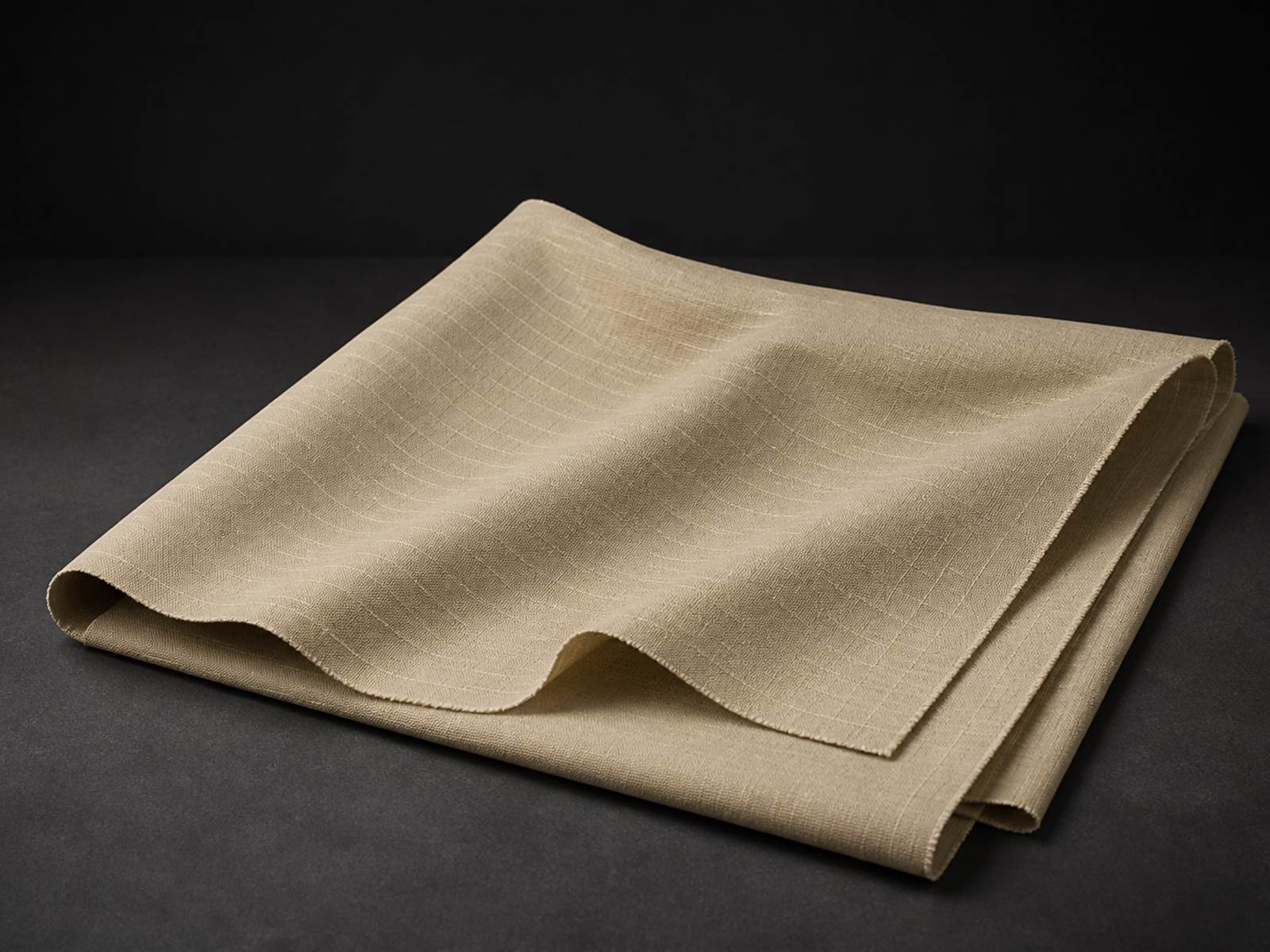
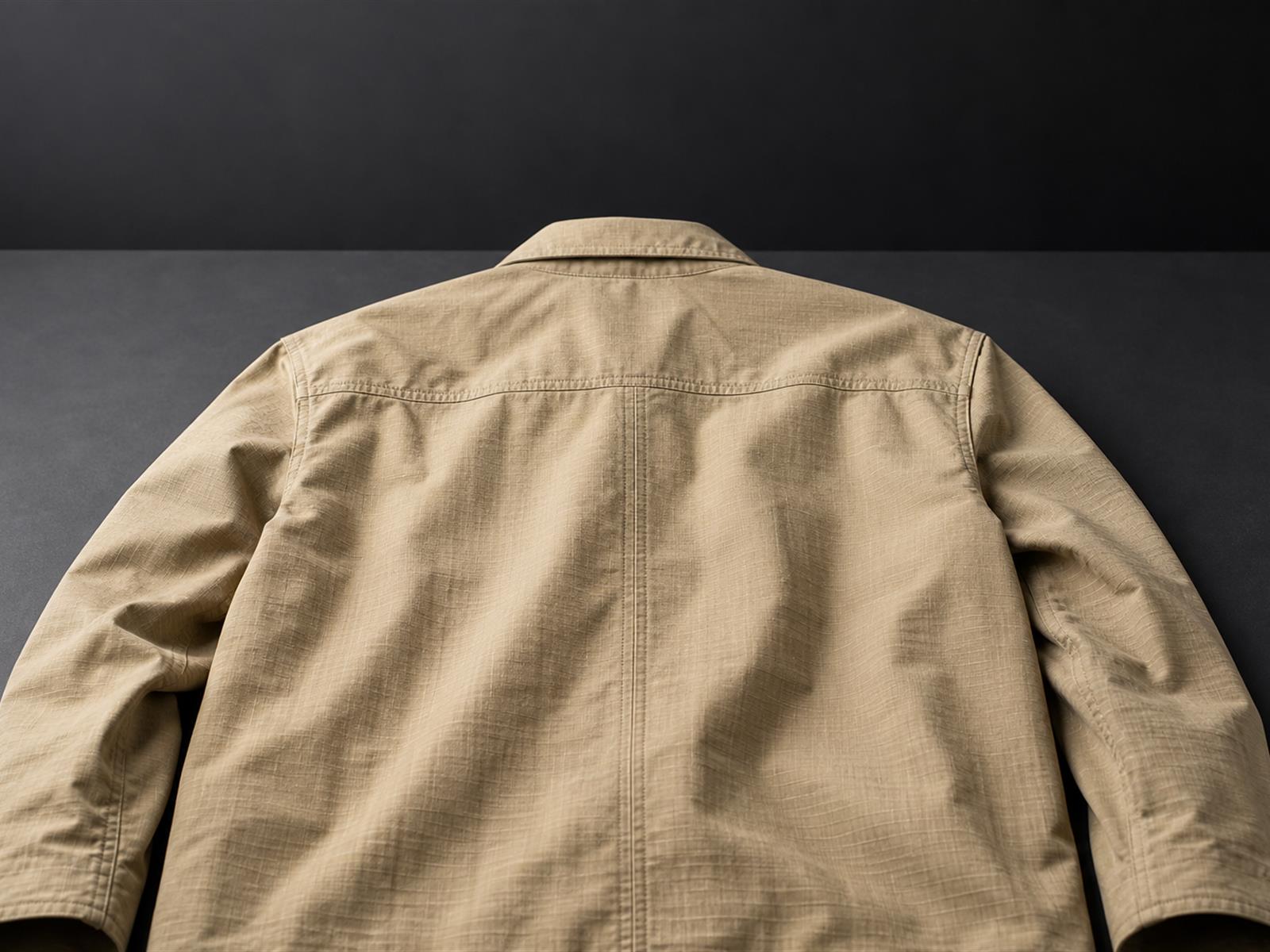
A plain or twill woven fabric in which a network of heavier yarns is woven into the structure at regular intervals, forming a visible grid. The base fabric carries the weight and hand-feel; the grid carries the tear resistance. The fibre blend determines drying speed, colour retention and how the fabric behaves after repeated industrial washing.
Function
How it works
When a normal woven fabric tears, the rip travels along a single yarn direction because each yarn is only held by the yarns crossing it. In ripstop, the heavier grid yarns interrupt that path at short intervals. A tear that starts inside one grid square has to break the grid yarn before it can continue, which limits how far it propagates. This is a mechanical effect built into the weave — it is not a coating and does not wash out.
Technical data
| Composition | DATA REQUIRED — not published until confirmed |
|---|---|
| Available weight range | DATA REQUIRED — confirmed per programme |
| Best applications | Hot WeatherDesertHeavy Duty / FieldWet Weather |
We do not publish composition or weight figures we have not confirmed for a specific programme. Ask for the figures that apply to your product.
Advantages
Advantages
- Tear propagation is limited by the grid structure, which extends garment life at high-wear points such as elbows, knees and pocket corners
- Polyester in the blend improves dimensional stability, so panels are less likely to distort during washing than a pure cotton fabric
- Generally dries faster than an equivalent all-cotton ripstop, which matters in humid and tropical use
- Takes solid dyeing, camouflage printing and finishing treatments comparably well, making it usable across multiple colourways in one range
- Widely available and cost-effective, which supports consistent reordering across production batches
- Holds printed camouflage alignment well when the print quality and fabric lot are controlled
Limitations
Limitations
- Not inherently water repellent or waterproof unless a finish is applied, and any applied finish has a finite life
- Breathability is limited compared with a knit or a purpose-built hot weather fabric, so it is a poor choice for a torso panel worn under a vest in high humidity
- Hand-feel is firmer than a knit, and the blend ratio changes how the fabric feels in dry heat
- Grid visibility varies with yarn size and weave density, which can affect how a garment photographs or how a solid colour reads
- Shade consistency between lots must be actively controlled; two lots of the same nominal colour can read differently on a finished garment
Performance
Performance profile
The same material can be the right choice in one climate and the wrong choice in another; these are the trade-offs as they affect how Poly Cotton Ripstop behaves in a garment.
Hot weather performance
Performs adequately in dry heat. It is not a first choice for a torso panel in hot and humid conditions where a lightweight knit or quick-dry woven will manage moisture and heat better. As a sleeve or trouser fabric it remains a practical choice because abrasion resistance is prioritised over maximum airflow.
Cold weather performance
Not an insulating fabric on its own. In cold conditions it is normally used as a durable outer or mid layer with an insulation layer beneath, or as a wind-blocking shell fabric. Its value in cold weather is protection from abrasion and wind rather than warmth.
Durability
The ripstop grid is the reason this fabric is chosen. Abrasion and tear resistance at contact points are better than a plain woven of similar weight, and the polyester content helps the fabric keep its shape through repeated washing.
Drying
Faster drying than all-cotton of comparable weight, slower than a pure synthetic. The practical difference shows up when garments are hand-washed in the field, which is why drying speed is worth stating in the specification.
Comfort
Sits between a knit and a heavy canvas. Comfort improves as the proportion of cotton increases, but drying speed and dimensional stability decrease. This trade-off is the single most important decision when specifying the blend for a given market.
OEM options
OEM options for this material
The 6 points that can be specified when Poly Cotton Ripstop is written into your programme.
- Composition ratio set to the buyer's requirement rather than to a single standard blend
- Weave construction confirmed before bulk so the grid scale suits the intended garment
- Solid dyeing to buyer colour targets with lab dip approval before bulk
- Camouflage printing to buyer artwork with a print standard approved before bulk
- Finishing options such as water repellency or soft hand-feel, subject to confirming the finish specification
- Weight and hand-feel developed against a buyer's reference swatch
Care
Care considerations
- Wash according to the buyer's care label; the label is part of the approved specification, not an afterthought
- Where a water repellent finish has been applied, washing instructions must protect that finish or the garment's stated performance will drop
- Avoid uncontrolled bleach or high-temperature drying where the specification does not permit it
- Colour fastness expectations should be stated by the buyer and confirmed on the pre-production sample
Recommended garments
Where this material is used
Products in our range where Poly Cotton Ripstop is a realistic specification option, drawn from 4 candidate builds.
Product
Ripstop Combat Shirt
Ripstop is not a single fabric, it is a weave construction.
Product
Ripstop Tactical Pants
A tactical pant is judged by three things: whether the crotch survives, whether the knee holds up, and whether the waist still fits the same after a full day of movement.
Product
Heavy Duty Field Combat Shirt
This shirt is specified for programmes where the dominant cost is not the garment, it is the replacement cycle.
Product
Camouflage Uniform Set
A camouflage uniform set is judged on the print before it is judged on anything else.
FAQ
Poly Cotton Ripstop FAQ
Is poly cotton ripstop waterproof?
No. Ripstop refers to the weave and the tear resistance it provides, not to water resistance. Water repellent or waterproof performance comes from a separate finish or membrane, and if that is required it must be specified separately and confirmed on a sample.
How does poly cotton ripstop compare with NYCO ripstop?
Both use a ripstop grid. The difference is the fibre blend and what the buyer needs from it. NYCO type constructions are generally selected where abrasion resistance and dimensional stability under hard use matter most, while poly cotton is often selected where cost and drying speed matter most. The right choice depends on wear pattern, climate and the buyer's existing specification.
What GSM should I specify?
The correct weight depends on the garment and the climate, and it should be confirmed against a reference swatch or sample rather than assumed. We do not quote a GSM figure until it is confirmed for your specific product.
Will the colour match my previous order?
Colour consistency between orders depends on approving a shade standard and then controlling each fabric lot against it. If you have an approved standard from a previous order, send it. Without a retained standard, matching an earlier order is a colour-matching exercise and should be treated as such.
Can you supply this fabric for a garment we produce elsewhere?
Fabric supply on its own is a different commercial arrangement from garment manufacturing. Tell us the intended use, the quantity and the specification and we will state clearly what can and cannot be supported.
Related Materials
Related Applications
Related Capabilities
Related Articles
Related Categories
Request this material against your specification
Tell us the garment, the climate and the wear pattern. We will confirm what is available for your programme and state clearly which figures are confirmed and which still need data.