Materials
Softshell Fabric for Tactical Jackets and Outerwear
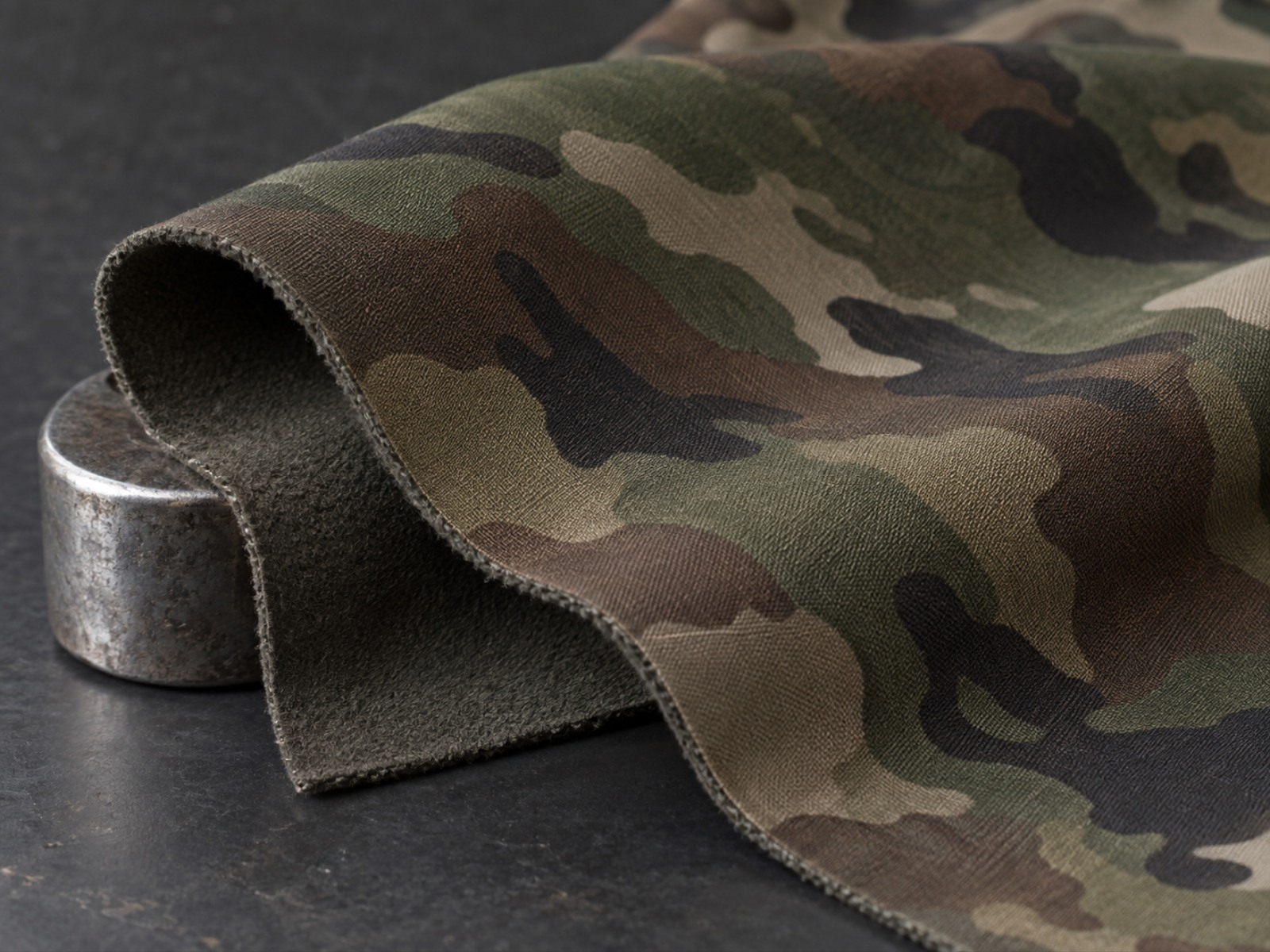
Softshell is a fabric system rather than a single cloth. It normally combines a woven face for abrasion and wind resistance, a middle layer that controls air permeability and light water resistance, and a knit or fleece back for warmth and next-to-skin comfort. Some constructions are bonded into a single composite; others are made from a densely woven stretch fabric with a finish. The result is a quiet, flexible outer layer that handles wind, light rain and abrasion without the stiffness of a hard shell. It is the wrong answer for sustained rain, and the bonded versions carry a delamination risk that has to be managed at specification stage.
- Composition
- DATA REQUIRED
- Weight range
- DATA REQUIRED
- Best applications
- Cold Weather · Wet Weather · Heavy Duty / Field
Gallery
Softshell Fabric in detail
What it is
What is it?
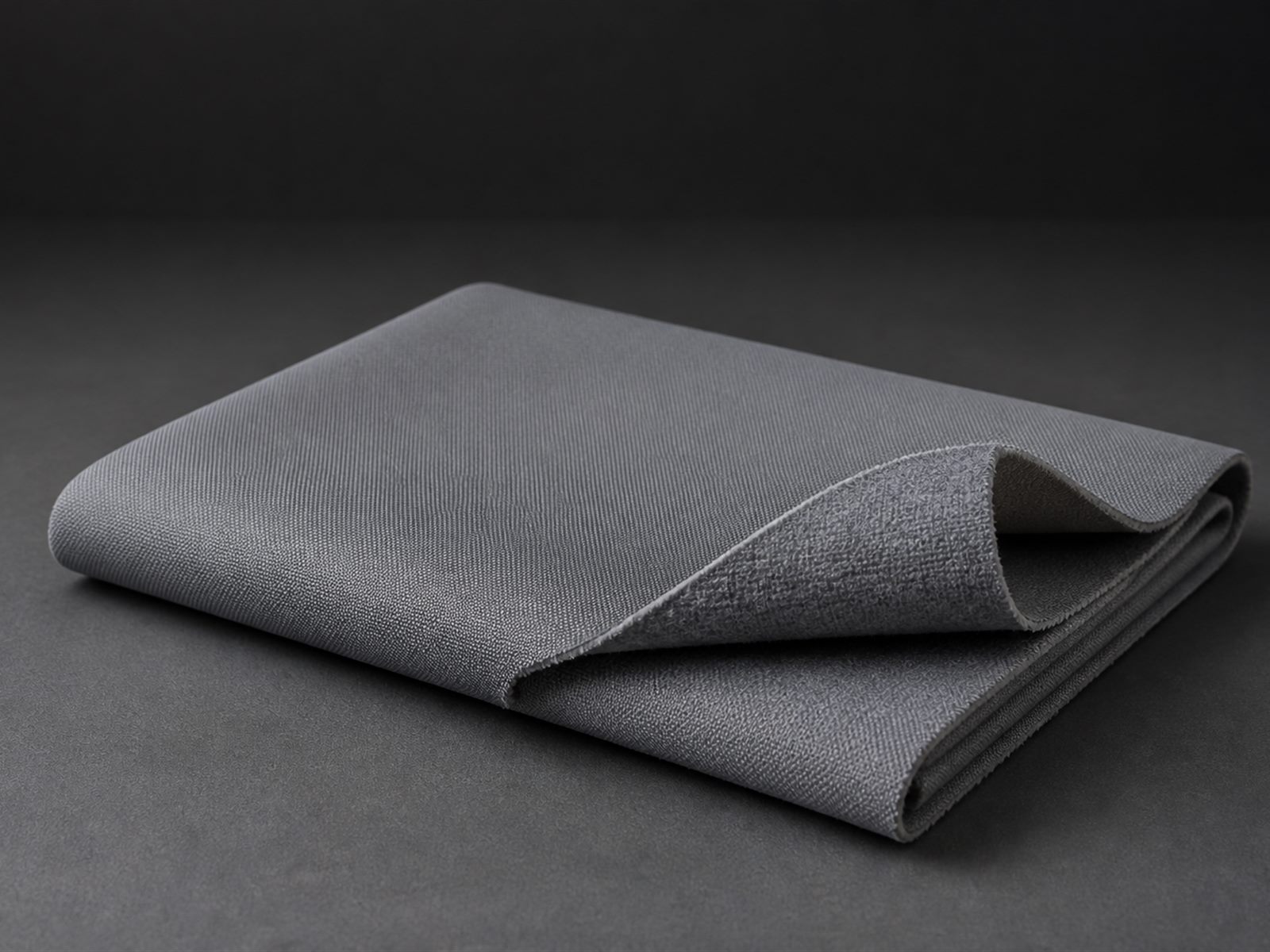
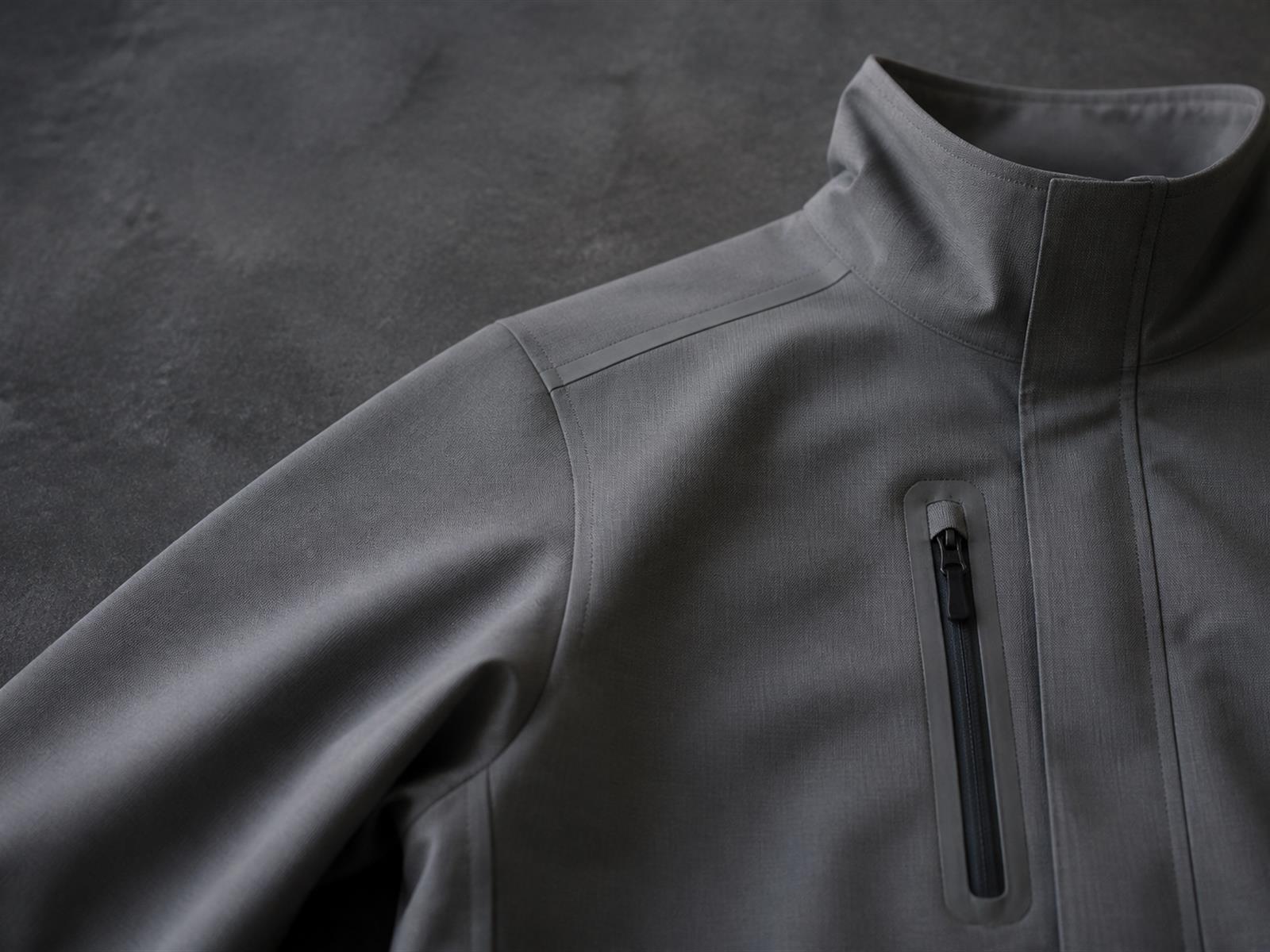
A layered fabric system: a durable woven face, a functional middle layer or coating that limits wind and light water penetration, and often a raised knit back for warmth. The layers are bonded or the effect is produced in a single densely constructed cloth. The composite behaves as one material in cutting and sewing, but its performance and its failure modes are set by the layers and the bond between them.
Function
How it works
A softshell works by restricting air movement and light water penetration while letting some moisture vapour escape. Wind chill is driven by moving air removing the warm boundary layer next to the skin, so a face fabric with a high yarn cover factor and low air permeability removes most convective heat loss without needing a solid membrane. Water resistance comes from the face fabric's tight construction and a repellent finish, which makes light rain bead and run off rather than soak in immediately. Moisture vapour passes through the gaps in the construction, so the garment vents during activity. The compromise is inherent: any reduction in air permeability also reduces vapour escape, which is why a softshell is comfortable in cold moving conditions and clammy during sustained hard effort.
Technical data
| Composition | DATA REQUIRED — not published until confirmed |
|---|---|
| Available weight range | DATA REQUIRED — confirmed per programme |
| Best applications | Cold WeatherWet WeatherHeavy Duty / Field |
We do not publish composition or weight figures we have not confirmed for a specific programme. Ask for the figures that apply to your product.
Advantages
Advantages
- Blocks most wind-driven convective heat loss without the stiffness, noise and weight of a hard shell
- Handles light rain and snow long enough to keep working in changeable conditions, while remaining quiet and flexible
- Abrasion-resistant face fabric resists contact with vegetation, kit and vehicle interiors far better than a lightweight shell
- Breathability through the construction itself means less internal condensation during moderate activity than a fully sealed shell
- Stretch versions move with the wearer, which matters for climbing, vehicle work and weapon handling
- Reads as an outer layer rather than technical mountaineering equipment, which suits duty and field appearance requirements
Limitations
Limitations
- Wrong choice for sustained or heavy rain. A softshell resists light rain for a time, but water eventually penetrates the face fabric and the garment wets out, and it has no sealed seam construction to stop that
- Bonded constructions can delaminate. The bond is the weak point, and once the layers separate the garment fails in appearance and performance while the fabric itself is intact
- Breathability and wind resistance pull in opposite directions. A softshell specified for maximum wind blocking will be the least comfortable during hard effort
- Heavier and bulkier than a technical shell of comparable protection, so it is a poor choice where the garment has to pack small
- Not a substitute for an insulating layer; a softshell alone provides limited warmth and needs a fleece or insulation layer beneath in cold conditions
- Repairability is limited. A delaminated or wetted-out panel cannot be restored the way a simple woven can, and a damaged bonded composite usually means replacing the garment
Performance
Performance profile
The same material can be the right choice in one climate and the wrong choice in another; these are the trade-offs as they affect how Softshell Fabric behaves in a garment.
Hot weather performance
Not appropriate as a hot-weather garment. Wind blocking and limited vapour transfer both work against the wearer once ambient temperature is high. It can still be used in cool mornings or high-altitude or desert night conditions, but for warm-weather outerwear a lightweight wind-resistant woven with high air permeability is the right specification.
Cold weather performance
The intended use. A softshell blocks wind and light precipitation while allowing enough vapour transfer to limit condensation during moderate activity, and it layers cleanly over fleece or synthetic insulation. In sustained cold and wind it becomes the outer layer of a three-part system rather than a standalone garment.
Durability
The face fabric is the durable element and resists abrasion well. The durability risk sits in the bond between layers, in the finish that provides water repellency, and in the elastic yarns used in stretch versions. All three degrade over the garment's life and should be treated as wear items when the specification is written.
Drying
Dries faster than a saturated insulated garment but slower than a lightweight synthetic shell, because the layered structure holds more water in the knit back and between the layers. A wetted-out softshell also loses its wind resistance and feels cold, since the air in the structure has been displaced by water.
Comfort
A softshell is more comfortable than a hard shell in cold, moving conditions because it is quiet, flexible and does not trap condensation to the same degree. The trade-off appears during hard effort, when limited vapour transfer makes the wearer damp from the inside, and in sustained rain, when the garment wets out.
OEM options
OEM options for this material
The 6 points that can be specified when Softshell Fabric is written into your programme.
- Layer construction and bonding method confirmed before bulk, since the bond is the main structural risk in a composite fabric
- Air permeability and water repellency specified as requirements rather than left to the supplier's default construction
- Face fabric developed for the required abrasion level and hand, matched against a buyer's reference garment
- Repellent finish specified with the wash and re-proofing expectations agreed in advance
- Panel planning so the most abrasion-exposed areas use the most durable face fabric while lower-stress panels can be lighter
- Camouflage printing or solid dyeing on the face fabric with an approved standard retained for repeat orders
Care
Care considerations
- Wash according to the buyer's care label. Detergent residue and softener reduce the water repellency of the face fabric
- Do not use high heat or harsh mechanical action on a bonded composite, as both can stress the bond
- The care label should state how the repellent finish is maintained and renewed, since this is what keeps the garment performing
- Delamination and finish condition should be checked on returned garments as a durability input, so the specification can be adjusted for the next order
Recommended garments
Where this material is used
Products in our range where Softshell Fabric is a realistic specification option, drawn from 4 candidate builds.
Product
Tactical Softshell Jacket
A softshell is a compromise, and buyers who know which compromise they are buying get a better jacket.
Product
Tactical Field Jacket
A field jacket is bought for a specific job: it carries what the wearer needs to reach without opening a pack, stays out of the way when the wearer kneels, climbs or drives, and can be worn over a shirt or a fleece without becoming a straightjacket.
Product
Cold Weather Tactical Jacket
A cold weather jacket has to hold warmth, allow movement and get rid of moisture, and those three requirements pull against each other.
Product
Hunting Camo Jacket
A hunting jacket is judged by two properties that pull against each other: how quietly it moves through brush, and how well it survives that brush.
FAQ
Softshell Fabric FAQ
Is a softshell waterproof?
No. It resists light rain and snow for a limited time but is not waterproof, and it has no sealed seam construction. If rain exposure is sustained, a waterproof shell with sealed seams is the correct specification.
Why do softshell jackets delaminate?
The bond between the layers is the structural weak point in a composite fabric. Heat, mechanical stress during washing, repeated flexing and aging adhesive all contribute. Bond quality should be confirmed before bulk, and care instructions should protect it.
What is more important, wind resistance or breathability?
That depends on the activity. For low-exertion cold-weather use, wind resistance matters most. For sustained movement, vapour transfer matters more, because a wind-blocking garment with low air permeability makes the wearer damp from the inside.
Can a softshell be worn as the only outer layer in winter?
It can be, in moderate cold and low wind, but it provides limited insulation of its own. In sustained cold it works best as the outer layer of a system with a fleece or synthetic insulation layer underneath.
How do I specify softshell if I do not have a reference garment?
State the conditions the garment will be used in, the expected activity level and the abrasion exposure, then work from a sample. A test garment in the field is worth more than a specification sheet for this class of fabric.
Related Materials
Related Applications
Related Capabilities
Related Categories
Request this material against your specification
Tell us the garment, the climate and the wear pattern. We will confirm what is available for your programme and state clearly which figures are confirmed and which still need data.