Capability
Tactical Apparel Product Development
Product development is the stage where a garment either becomes manufacturable or becomes a permanent source of disputes. It starts from whatever the buyer already has — a reference photo, a sketch, a tech pack, a physical sample or a product they currently sell — and ends with an approved pre-production sample that both sides accept as the standard for bulk. The value of this stage is not the sample itself. It is the specification gap list that comes out of reviewing the input, because those gaps are where cost, quality and delivery problems originate.
- Process steps
- 7 defined stages
- Deliverables
- 7 documented outputs
- Inputs required
- 7 from the buyer
Gallery
Product Development in practice
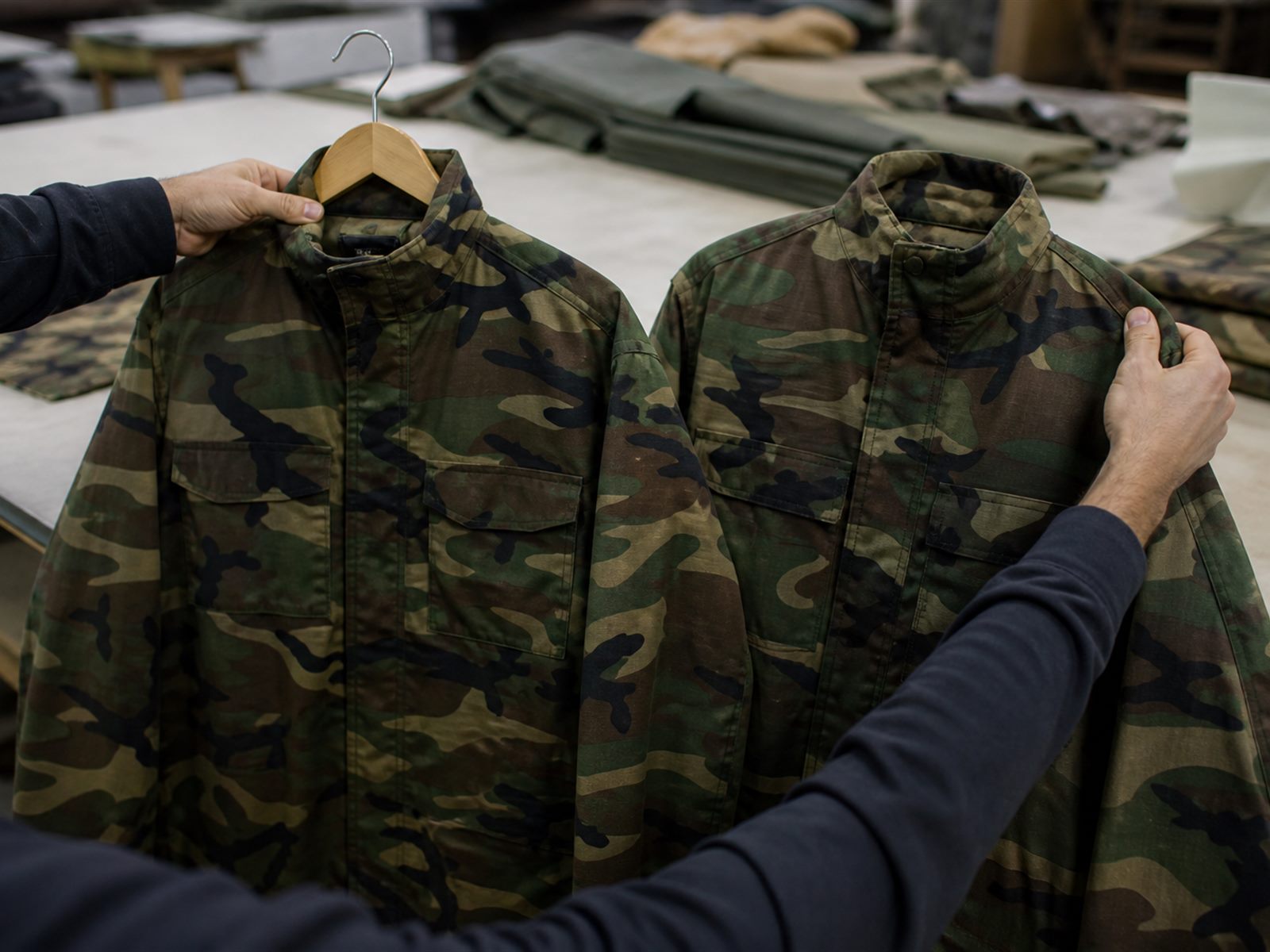
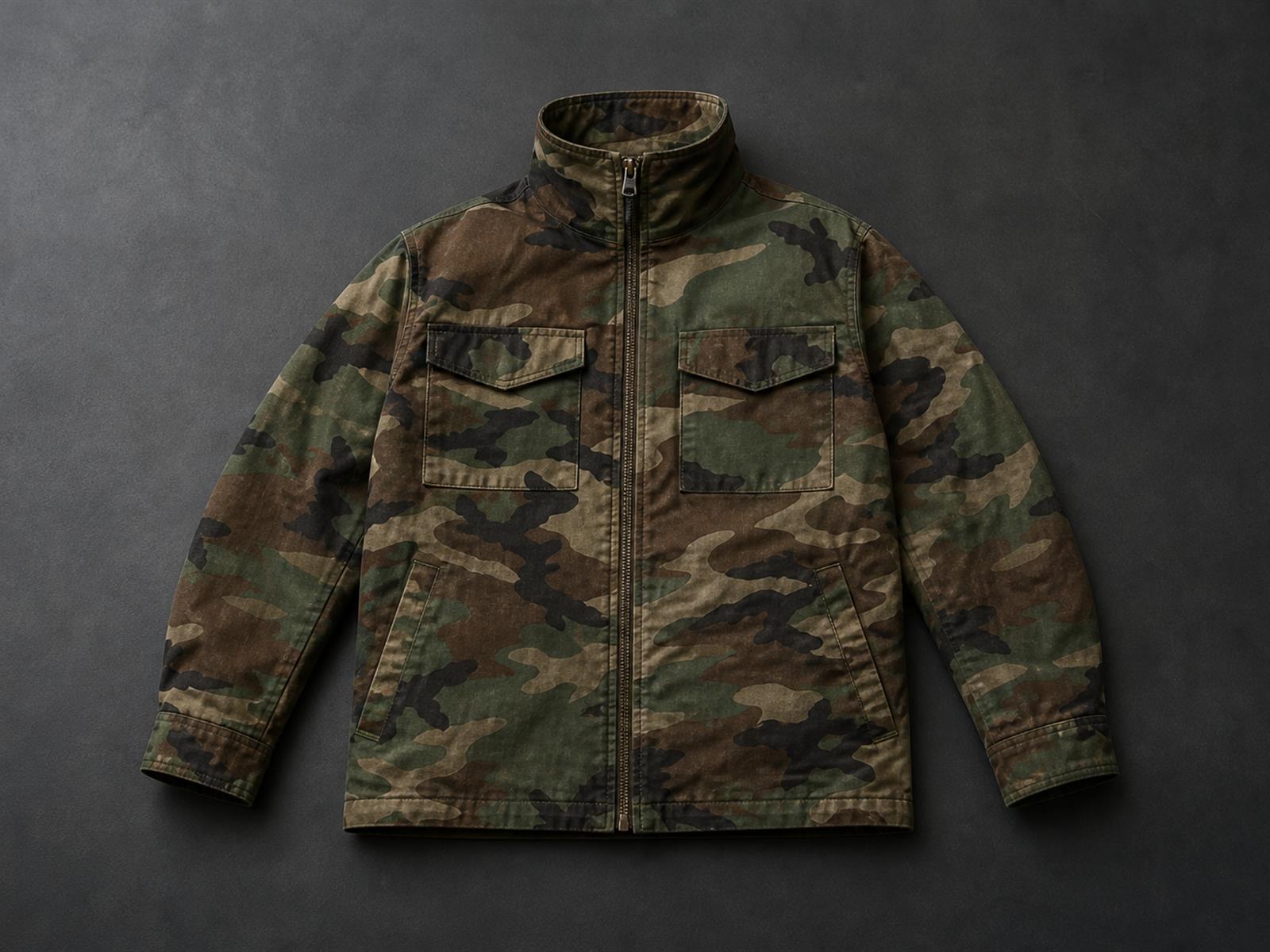
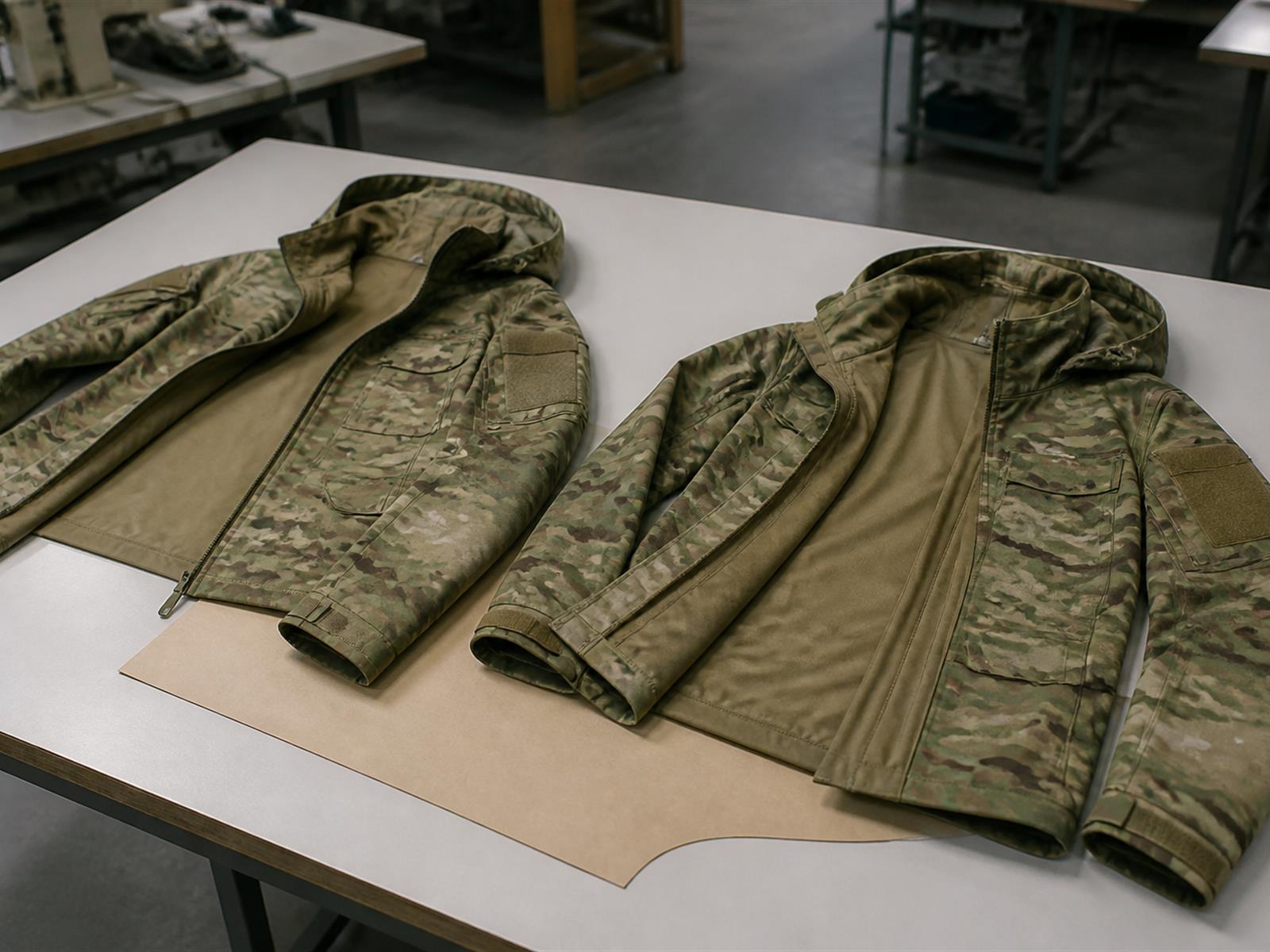
Inputs
What we need from you
The 7 inputs development of Product Development needs from you, and where one is missing we will tell you it is missing rather than assume it.
- Reference photo or product link
- Sketch or technical drawing
- Tech pack with measurements, construction and tolerances
- Physical sample to be copied or improved
- An existing product the buyer already sells
- Intended climate, application and end user
- Target market and any labelling or compliance requirements
Deliverables
What you receive
The 7 tangible outputs you receive from Product Development — not assurances.
- Written specification gap list after input review
- Material and trim recommendation with stated trade-offs
- Developed pattern for the approved construction
- Physical prototype for fit and construction review
- Corrected sample after consolidated buyer comments
- Size set sample covering the agreed size range
- Approved pre-production sample as the bulk reference standard
Process
The process, step by step
Product Development runs as 7 steps, and the sequence is not administrative: each step removes a specific risk before the next one commits cost.
Requirement review
We read the input and return a written list of specification gaps: measurements that are missing, features that are ambiguous, and decisions that must be made before a pattern can be cut. This is the step that prevents late-stage rework.
Material recommendation
Fabrics and trims are proposed against the intended climate, wear pattern and target cost. Where alternatives exist, the trade-off between them is stated rather than presented as a single option.
Pattern development
The pattern is developed or adapted from the reference, including pad pockets, pocket positions, collar construction and any reinforcement defined in the specification.
Prototype
A first sample is produced so the buyer can assess fit, proportions, construction and material hand-feel as a physical object rather than on paper.
Revision
Buyer comments are consolidated into a single revision round. Consolidating comments is what makes the specification converge instead of oscillating between versions.
Size set
The full size range is produced for measurement confirmation across the range. Judging a size range from one middle size is the most common cause of a sizing failure at bulk.
Pre-production sample
The approved construction, materials, labelling and packaging are locked into a pre-production sample. This sample, not the conversation, becomes the bulk standard.
Buyer value
Why this matters to a buyer
Why Product Development matters to a buyer, framed as the 5 commercial consequences rather than as quality adjectives.
Problems are found at sample stage, where correcting them costs a sample, rather than at bulk stage, where correcting them costs a production run
The specification that both sides work to is written and agreed, which removes the most common source of quality disputes
Material decisions are made against the actual climate and wear pattern rather than against a price target alone
Sizing is verified across the range, which protects sell-through for distributors who buy full size sets
The approved pre-production sample becomes a retained standard, which is what makes a repeat order reproducible
FAQ
Product Development FAQ
Can you develop a product from a photo only?
Yes, a photo is a workable starting point, but the result depends on how the missing specification is resolved. With a photo only, we will propose measurements, materials and construction and state clearly which decisions have been assumed, so the buyer can correct them at prototype stage.
How many revision rounds are included?
Development is planned as a single consolidated revision round after the prototype. Additional rounds are possible, but consolidating comments into one round is what keeps development cost and timeline predictable. The number of rounds and what they cover is confirmed in writing before development starts.
Do we own the pattern?
That is a commercial term rather than a technical default, and it is better agreed in writing at the start of a project than at the end. Tell us what you need and we will state what can be agreed.
Can you work from our tech pack without changing it?
Yes. Where a tech pack is complete we develop to it. Where it is incomplete we will tell you which items are missing rather than filling the gaps with assumptions, because an assumption made at development stage turns into a rejection at inspection stage.
Related
Related content
Related Materials
Related Applications
Related Capabilities
Related Articles
Related Categories
Request a Manufacturing Assessment
Send us your tech pack, reference sample or product idea. We review your requirement, recommend materials and construction, and come back with a development plan you can act on.