Materials
Moisture Wicking Fabric for Tactical Base and Combat Layers
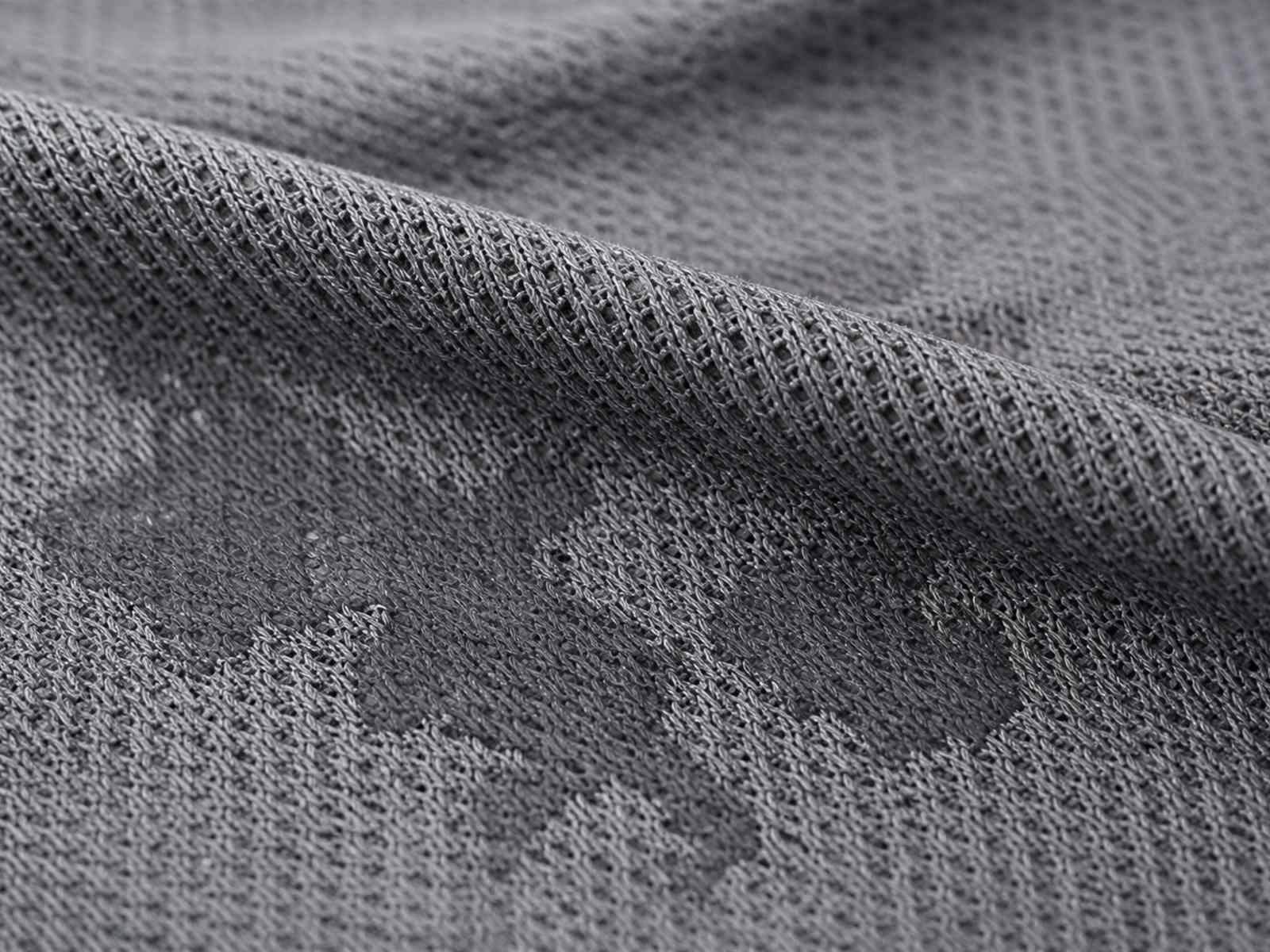
Moisture wicking fabric moves liquid sweat away from the skin and spreads it across the outer surface of the cloth, where it can evaporate. The mechanism is capillary transport, driven by the structure of the yarns and by a difference in surface energy between the inner and outer faces. It is not the same property as quick drying, although the two are commonly specified together: wicking is transport, quick drying is release. Where a garment is worn under armour, a vest or a pack, wicking determines whether the wearer stays wet against the skin, and that is the condition under which the specification has to be judged.
- Composition
- DATA REQUIRED
- Weight range
- DATA REQUIRED
- Best applications
- Hot Weather · Tropical / Humid · Heavy Duty / Field
Gallery
Moisture Wicking Fabric in detail
What it is
What is it?
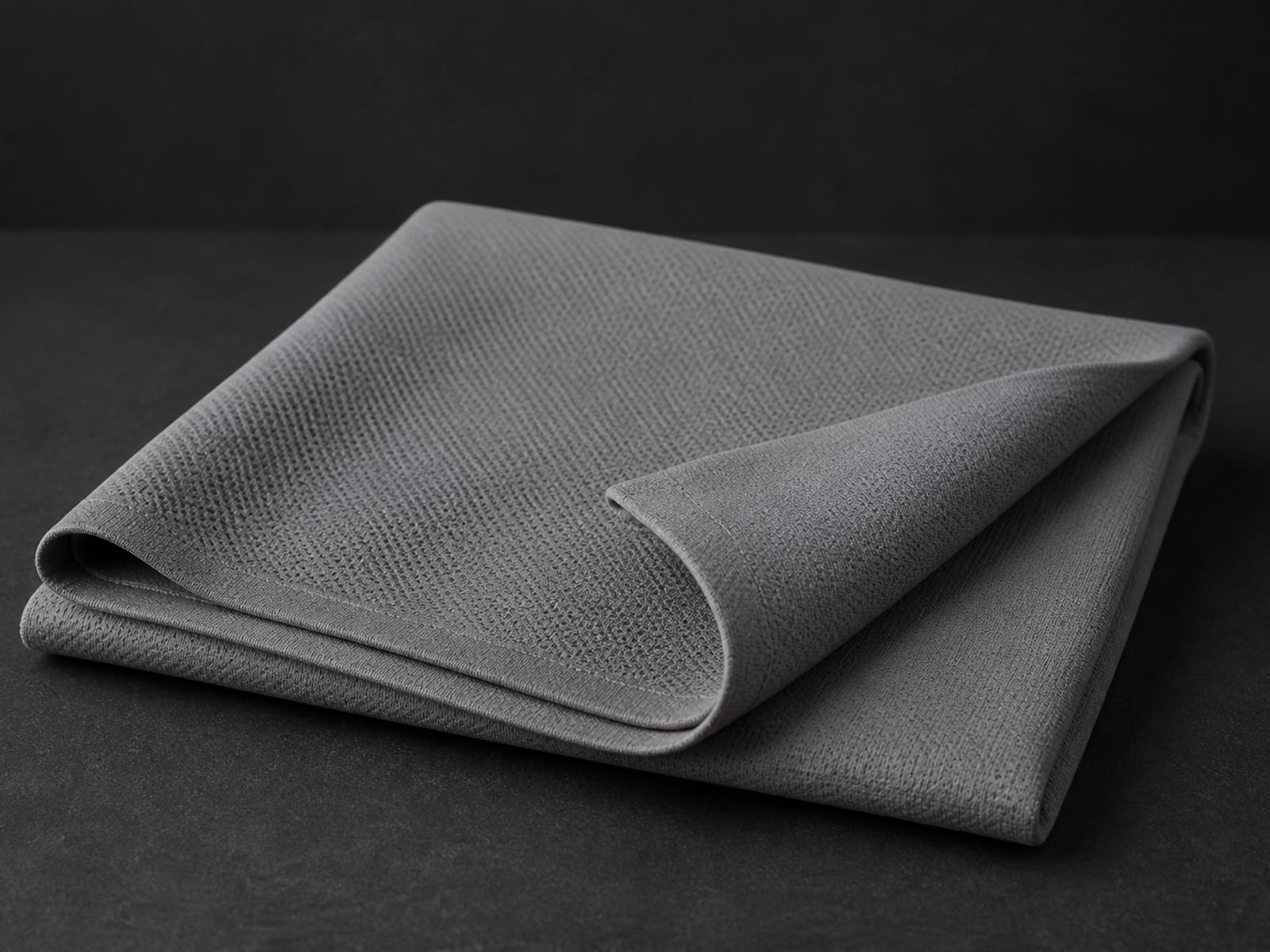
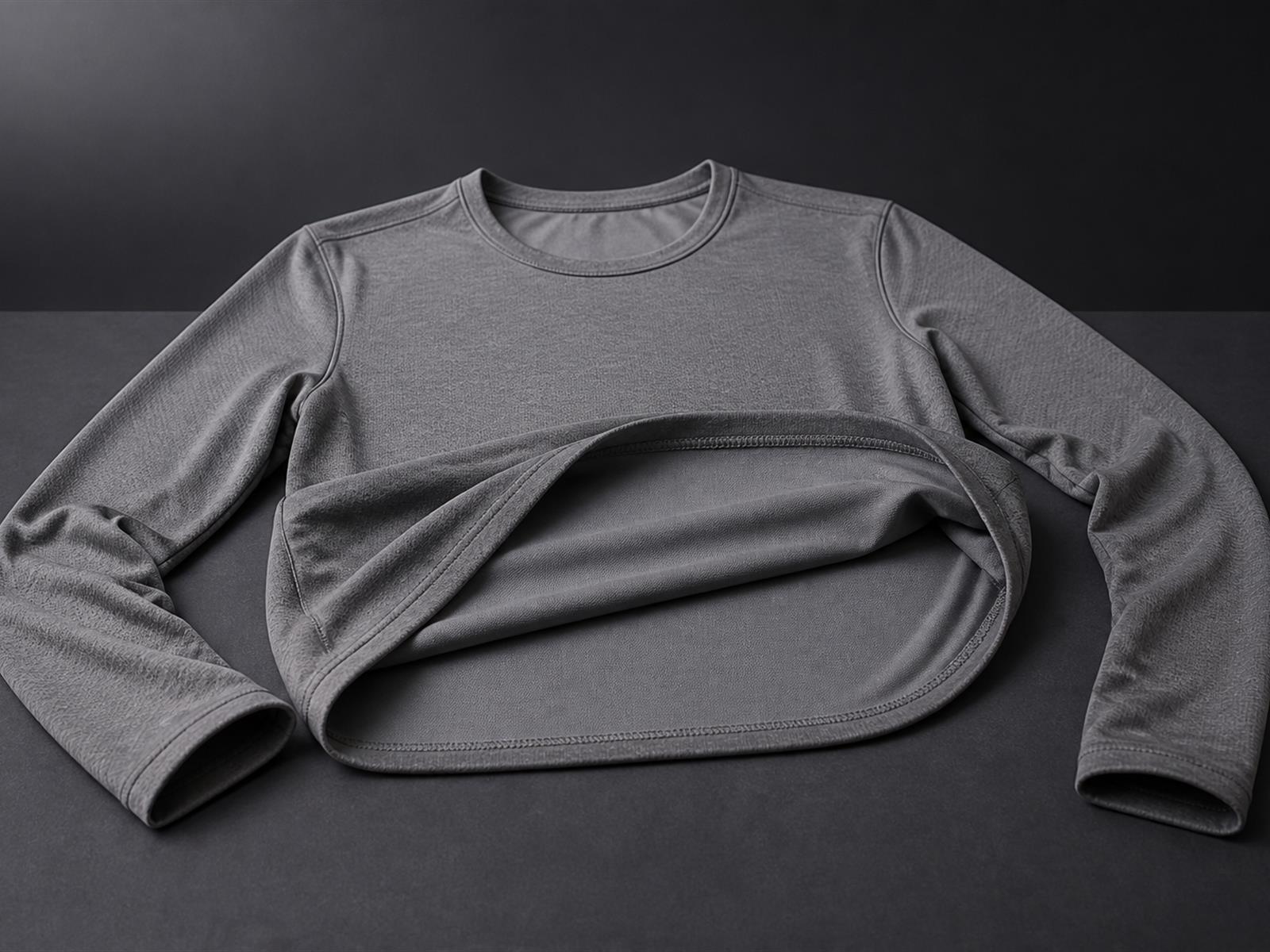
A fabric engineered so that liquid moisture travels through it from one face to the other rather than being held where it lands. Transport comes from capillary spaces in the yarn and fabric structure, often assisted by a finish that makes one face more wettable than the other. The result is a dry-feeling inner surface and a wetter outer surface during activity.
Function
How it works
Liquid water moves through narrow spaces by capillary action, and the direction it takes is set by the balance of surface energy. In a wicking construction, the inner face is made relatively wettable so sweat spreads into the yarns instead of beading, while the outer face has a larger capillary capacity or a higher wettability, so moisture is drawn outward and spread over a wider area. Spreading is what matters: the same volume of sweat covering a larger surface evaporates faster. Knit structures with spaced yarns create the channels; woven versions use yarn spacing and finish. The system depends on the fabric being clean, because oils, softener and detergent residue change surface energy and shut the transport path down.
Technical data
| Composition | DATA REQUIRED — not published until confirmed |
|---|---|
| Available weight range | DATA REQUIRED — confirmed per programme |
| Best applications | Hot WeatherTropical / HumidHeavy Duty / Field |
We do not publish composition or weight figures we have not confirmed for a specific programme. Ask for the figures that apply to your product.
Advantages
Advantages
- Keeps the inner face of the garment feeling drier during sustained activity, which reduces the chill that follows when a wet garment is worn in moving air
- Spreads moisture over a larger surface area so evaporation is faster than if sweat stayed pooled at the contact points
- Improves comfort under armour, vests and packs where the garment has no access to airflow and cannot dry in place
- Works with lightweight synthetic structures that also dry quickly, so the panel returns to a wearable state after washing
- Compatible with flatlock and low-profile seam constructions that reduce chafe at the shoulder and underarm
- Can be specified by panel, allowing a wicking torso with a more abrasion-resistant fabric at shoulders and elbows
Limitations
Limitations
- The effect is defeated by an impermeable layer above it: under a fully waterproof shell with no venting, moisture has nowhere to go and the wearer ends up wet regardless of the fabric underneath
- Applied wicking finishes have a finite life. Fabric softener, oily detergent residue and high heat all degrade them, and a garment that was specified for wicking can lose most of the benefit within a service life
- Synthetic structures hold odour more than natural fibres, and the warm moist environment under a vest encourages bacterial growth
- Wrong choice where durability and abrasion resistance are the priority, since the open lightweight structures that transport moisture best are usually the weakest against abrasion
- Not suitable where flame or thermal hazard exists, because the synthetic fibres melt
- A garment worn as an outer layer in heavy rain will be saturated from outside, and wicking does nothing to prevent that
Performance
Performance profile
The same material can be the right choice in one climate and the wrong choice in another; these are the trade-offs as they affect how Moisture Wicking Fabric behaves in a garment.
Hot weather performance
Useful in hot conditions for moving sweat off the skin, and most effective when the garment has some airflow or when the wearer is under load. In extreme humidity the transport still works but evaporation slows, so the outer face stays wet longer. Wicking improves the experience but cannot overcome saturated ambient air.
Cold weather performance
Its most important role. Keeping the base layer dry next to the skin is what prevents the post-activity chill that makes cold-weather work dangerous. In cold conditions wicking fabric should be used as a base layer under insulation, and the care instructions that preserve the transport function become a safety-relevant part of the specification.
Durability
Construction-dependent rather than mechanism-dependent. The lightweight knits and open wovens that wick best are generally lower in abrasion resistance, so this fabric is usually specified for torso and base layers rather than for knees, elbows or cargo areas.
Drying
Related to but distinct from wicking. A fabric can transport moisture well and still hold it for a long time. When both properties matter, the fibre choice and structure need to be specified for both, and drying behaviour needs to be confirmed rather than assumed from a wicking claim.
Comfort
The core benefit: a drier feeling next to the skin during and after activity, less chafe, and less of the cold clammy sensation that follows a hard effort. The trade-offs are a more synthetic hand, odour retention and a dependence on correct washing to keep the transport function alive.
OEM options
OEM options for this material
The 6 points that can be specified when Moisture Wicking Fabric is written into your programme.
- Knit or woven structure selected around the layer the garment will be worn in, since a base layer and a combat shirt have different requirements
- Two-face construction developed so the inner and outer surfaces differ in the way the transport direction requires
- Finish specified and confirmed on the finished fabric, with performance checked after representative wash cycles rather than on a new swatch
- Panel-level material planning, with wicking fabric at the torso and a reinforced ripstop at high-abrasion areas
- Seam and stitch construction developed to avoid chafe at the shoulder, underarm and waistband
- Solid dyeing to buyer colour targets with lab dip approval, and print standards approved where camouflage is required
Care
Care considerations
- Do not use fabric softener. It coats the fibre, changes surface energy and directly removes the transport function the garment was bought for
- Follow the buyer's care label; excess heat degrades both the finish and the fabric
- The care label should state how to preserve moisture transport, because this is a performance property rather than a cosmetic preference
- Where moisture transport is a contractual requirement, the acceptance test and the wash cycle it applies after should be defined before bulk
Recommended garments
Where this material is used
Products in our range where Moisture Wicking Fabric is a realistic specification option, drawn from 4 candidate builds.
Product
Hot Weather Combat Shirt
This garment exists to solve one problem: a combat shirt that can be worn through a full day of heat without becoming saturated and unusable.
Product
Hot Weather Tactical Uniform Set
A uniform set is a specification problem that two separate garments do not have: the shirt and the pant have to behave as one system.
Product
Hot Weather Tactical Pants
In sustained heat the limiting factor is not durability, it is whether the wearer can keep working.
Product
Ripstop Combat Shirt
Ripstop is not a single fabric, it is a weave construction.
FAQ
Moisture Wicking Fabric FAQ
What is the difference between moisture wicking and quick dry?
Wicking is transport: moving liquid away from the skin and spreading it. Quick dry is release: how fast the fabric gives that moisture up to the air. A fabric can be good at one and poor at the other, so both should be written into the specification if both matter.
Will wicking fabric work under body armour?
It helps, because it moves sweat off the skin even when airflow is blocked, but it cannot remove heat or moisture that has nowhere to go. The benefit is a drier contact surface, not a dry garment.
Why does the wicking effect fade after a few months?
Usually because the finish has been degraded by fabric softener, detergent residue or high heat, or because the fabric has picked up oils. It is also possible the fibre itself never wicks without the finish. Both causes should be checked before the next order is placed.
Does moisture wicking fabric also keep you warm?
No. It provides no insulation. In cold weather its job is to keep the base layer dry so the insulation layers above keep working, which is why it is specified as a first layer rather than as warmth.
Can wicking be specified for trousers as well as shirts?
Yes, and it is common in hot-weather trousers. The trade-off is that lighter, more open structures that transport moisture well are generally less abrasion resistant, so placement against the wear pattern matters.
Related Materials
Related Applications
Related Capabilities
Related Categories
Request this material against your specification
Tell us the garment, the climate and the wear pattern. We will confirm what is available for your programme and state clearly which figures are confirmed and which still need data.