Materials
Cold Weather Insulation Material for Tactical Jackets and Pants
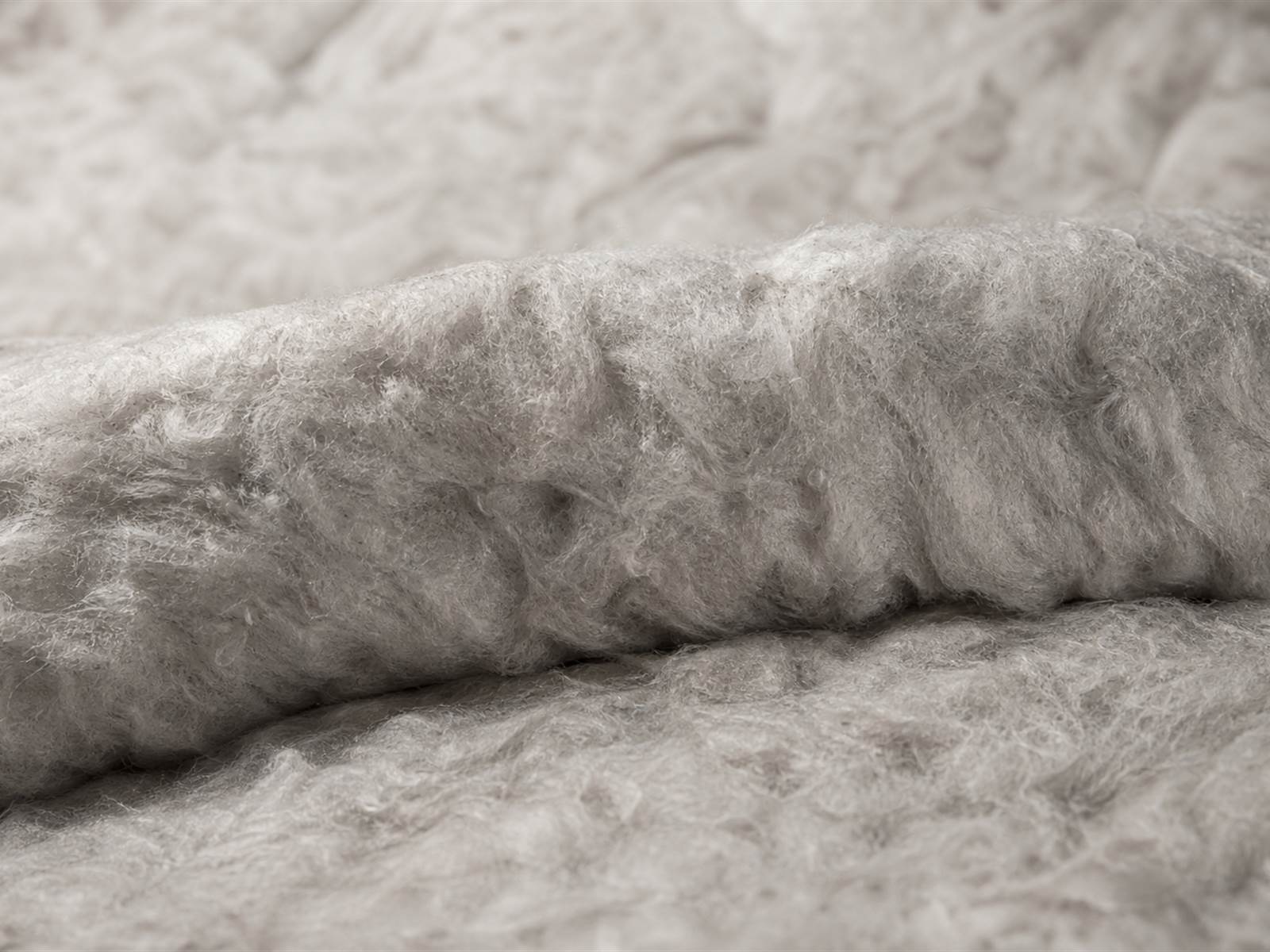
Cold weather insulation material keeps a wearer warm by holding still air in a structure, not by generating heat. The fibre matters less than what the structure does with it: how much air it traps, how well it keeps that air space under compression and movement, and how much of its performance it keeps when damp. For tactical clothing the decision is usually between synthetic insulation that retains function when wet, and natural fill that offers more warmth for the same weight but loses everything when it gets wet. Garment design, baffle or quilt construction, and the shell over the insulation matter as much as the fill itself.
- Composition
- DATA REQUIRED
- Weight range
- DATA REQUIRED
- Best applications
- Cold Weather · Heavy Duty / Field
Gallery
Cold Weather Insulation Material in detail
What it is
What is it?
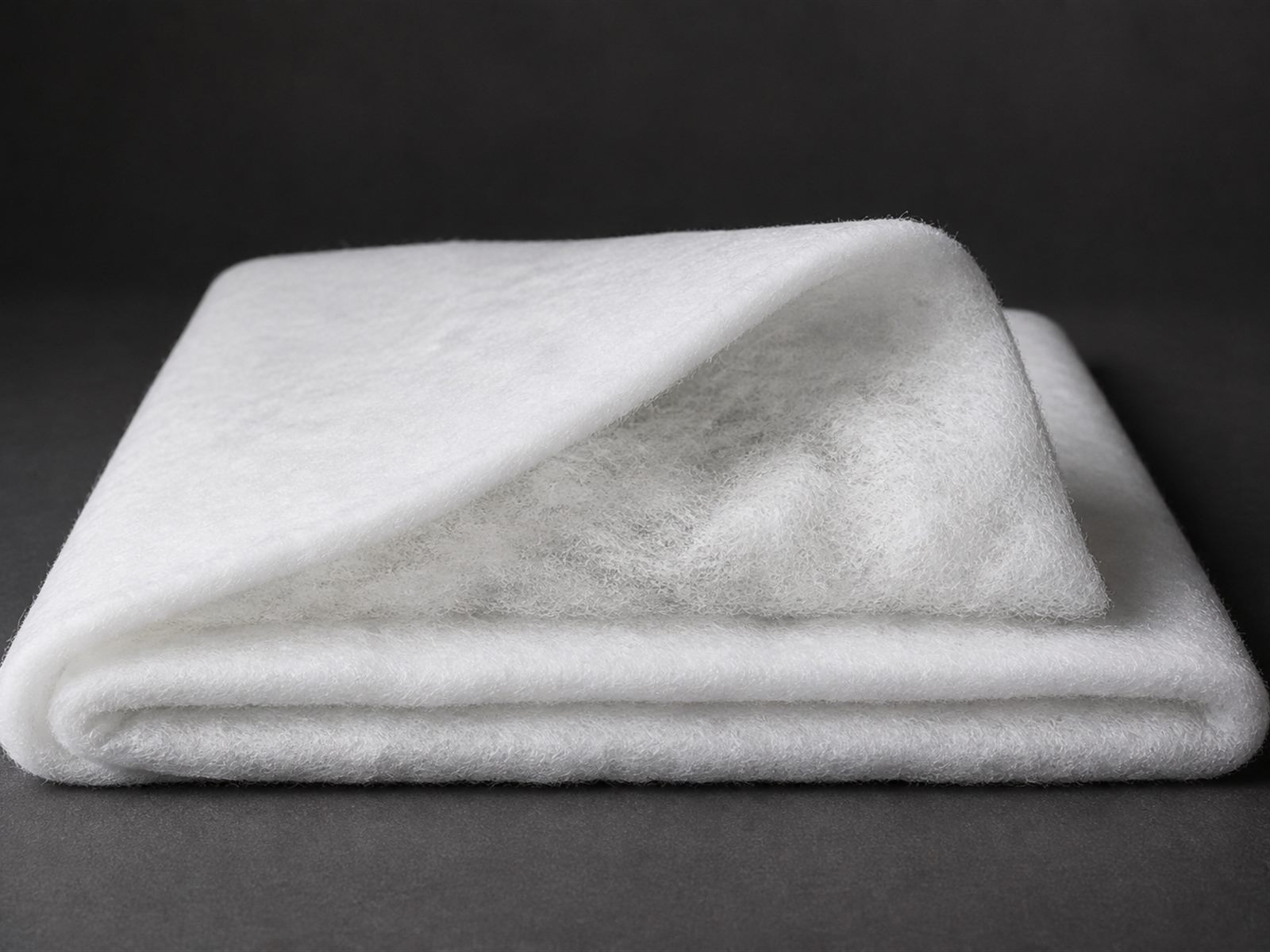
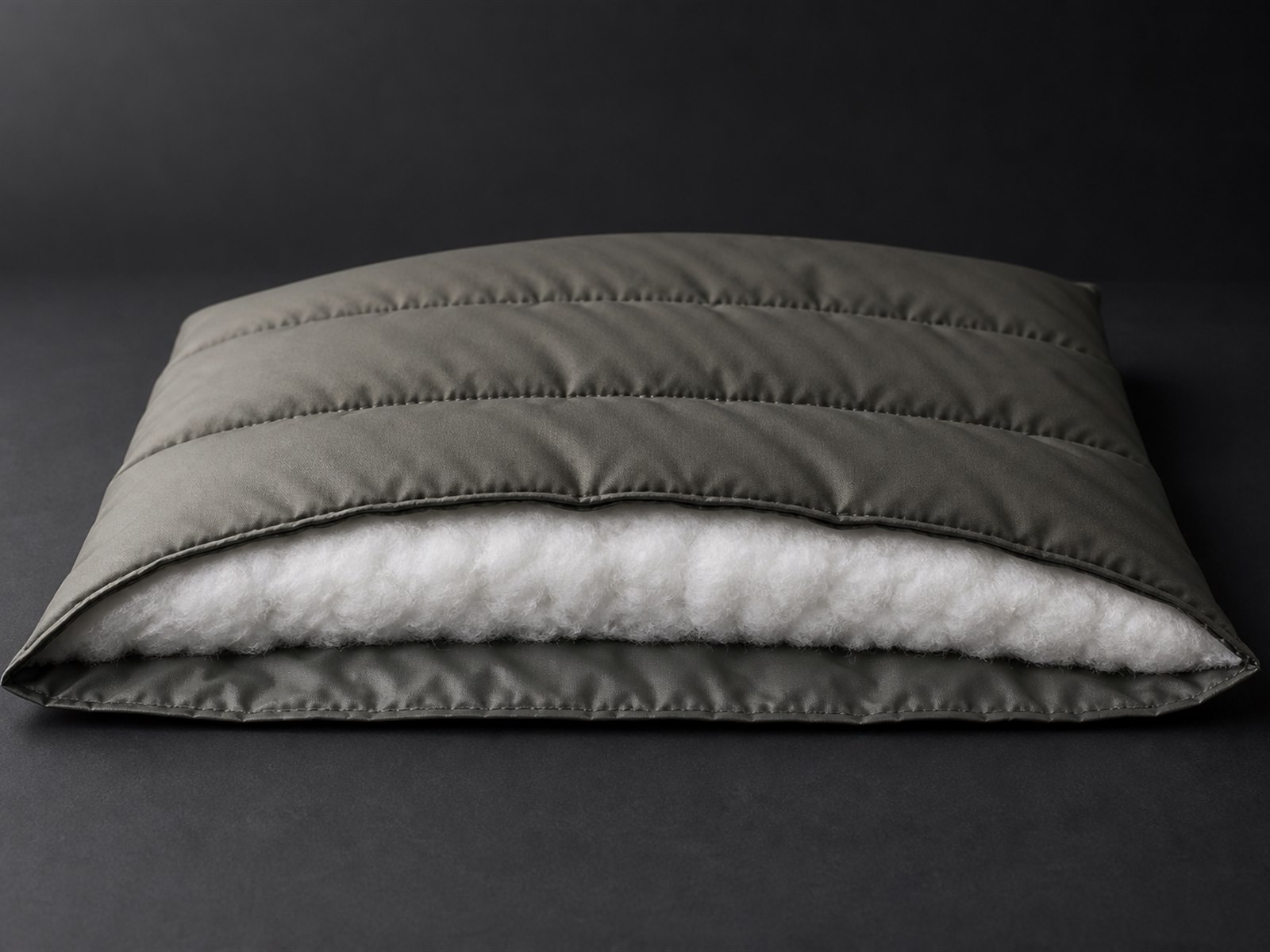
A material whose structure holds air in many small pockets, forming the insulating layer of a cold-weather garment. It may be a synthetic batting, a continuous-filament structure, a bonded wadding or a natural fill. Insulation value depends on the amount and stability of the trapped air, which is why thickness, loft retention and moisture behaviour are the properties that decide performance.
Function
How it works
Still air is one of the most effective thermal barriers available, and insulation works by keeping air still inside a structure rather than letting it circulate. Fibres in a batting or fill create a dense network of small pockets that prevent that air from moving, so body heat is not carried away by convection. Two factors set the insulation value: how much air the structure holds, which follows thickness and density, and how well it keeps holding it, which follows how the structure behaves under compression in a pack, under a strap, or at a seat. Moisture is the second mechanism: water is a far better conductor than air, so when water displaces air inside the insulation, warmth drops sharply. That is why synthetic fills, which keep some structure and drain quickly when wet, are the usual choice for wet cold conditions, while natural fill needs a shell that keeps it dry.
Technical data
| Composition | DATA REQUIRED — not published until confirmed |
|---|---|
| Available weight range | DATA REQUIRED — confirmed per programme |
| Best applications | Cold WeatherHeavy Duty / Field |
We do not publish composition or weight figures we have not confirmed for a specific programme. Ask for the figures that apply to your product.
Advantages
Advantages
- Provides warmth without weight being carried on the frame, since insulation performance comes from trapped air rather than fabric mass
- Synthetic fills keep a meaningful part of their insulation when damp and dry faster than natural fill, which matters in wet cold conditions
- Loft can be specified to match the activity level, from a light liner to a fully insulated winter jacket
- Insulation layers can be built into a garment or supplied as a removable liner, giving one outer shell two seasonal specifications
- Compatible with quilt and baffle construction, which allows insulation to be placed where warmth is needed rather than uniformly
- Availability in rolled form supports volume production and consistent panel cutting across a run
Limitations
Limitations
- Wrong choice where low pack volume is the priority: high-loft insulation is bulky, and a garment built for maximum warmth will not compress into a small space
- Compression costs warmth. Repeated packing, tight straps and long storage flatten insulation and reduce loft, and some structures recover less than others
- Natural fill loses almost all insulation when wet and dries very slowly, so it is the wrong specification for wet cold climates or for garments that may be worn in rain
- Uniform insulation is often the wrong design. A fully insulated garment worn during movement causes the wearer to sweat, and the moisture then reduces insulation performance
- Warmth is difficult to specify without verifiable data, so buyers are often sold on thickness or fibre description rather than on measured performance
- Migration of fill through the shell fabric and along seam lines is a common quality complaint if the shell, lining and quilt construction are not specified together
Performance
Performance profile
The same material can be the right choice in one climate and the wrong choice in another; these are the trade-offs as they affect how Cold Weather Insulation Material behaves in a garment.
Hot weather performance
Not applicable as a primary material; insulation is only useful in warm conditions when the wearer will be stationary in cold, such as overnight watch. Using insulation in an active hot-weather garment produces overheating and sweating, which then degrades the insulation itself.
Cold weather performance
The core function. Insulation value should be matched to activity level as well as temperature: a highly insulated garment worn during movement causes sweat, and sweat reduces insulation performance, so more insulation is not automatically better. Layering a moderate insulation layer under a windproof or waterproof shell is usually more effective than a single heavily insulated garment.
Durability
The mechanism is loft retention rather than abrasion. Fibres breaking, matting or migrating through the shell reduce warmth long before the material visibly fails. Durability should therefore be assessed as loft after compression and cleaning, not only as appearance, and shell and lining specification is part of that.
Drying
Synthetic insulation dries faster and keeps usable function when damp, which is why it dominates in wet cold conditions. Natural fill loses insulation when wet and needs a dry, ventilated environment to recover. Drying behaviour is a decisive specification point for any garment expected to be used in rain or snow, or washed in the field.
Comfort
Warmth per unit of weight is the main comfort advantage, along with softness and drape in well-designed constructions. The drawbacks are bulk, reduced freedom of movement in heavily insulated garments, and the dampness that develops when insulation is used during activity without a way to vent the moisture.
OEM options
OEM options for this material
The 6 points that can be specified when Cold Weather Insulation Material is written into your programme.
- Insulation weight and structure matched to the expected activity level and temperature range rather than applied uniformly across the garment
- Quilt or baffle construction designed so insulation stays in place and does not migrate along seams or through the shell
- Shell and lining specified together with the insulation, since fill migration and loft retention depend on all three
- Removable liner construction for buyers who want one outer shell to cover more than one season
- Panel-level insulation, with added warmth at the torso and less at sleeves or lower legs to suit movement and venting
- Verifiable performance requirements stated where warmth is a contract term, so the specification rests on a defined test rather than on a description
Care
Care considerations
- Wash and dry according to the buyer's care label; heat and mechanical action both affect loft and fill distribution
- Do not store insulation compressed for long periods if loft retention matters, as this reduces the trapped air the material depends on
- Where a removable liner is supplied, its care requirements should be stated separately so the buyer's customer does not damage the outer shell
- Loft retention after representative cleaning cycles should be checked as part of fabric approval, since it is the property that determines the garment's warmth over time
Recommended garments
Where this material is used
Products in our range where Cold Weather Insulation Material is a realistic specification option, drawn from 4 candidate builds.
Product
Cold Weather Tactical Jacket
A cold weather jacket has to hold warmth, allow movement and get rid of moisture, and those three requirements pull against each other.
Product
Tactical Field Jacket
A field jacket is bought for a specific job: it carries what the wearer needs to reach without opening a pack, stays out of the way when the wearer kneels, climbs or drives, and can be worn over a shirt or a fleece without becoming a straightjacket.
Product
Cold Weather Tactical Pants
Cold weather changes what a tactical pant has to do.
Product
Tactical Softshell Jacket
A softshell is a compromise, and buyers who know which compromise they are buying get a better jacket.
FAQ
Cold Weather Insulation Material FAQ
Is more insulation always warmer?
No. Warmth depends on trapped air staying still, which is affected by compression, fit and moisture. Over-insulating an active garment makes the wearer sweat, and moisture displaces the air in the insulation, so the effective warmth can drop.
How do I choose between synthetic fill and natural fill?
Synthetic fill is the safer choice in wet cold conditions and where the garment may be washed in the field, because it keeps function when damp and dries faster. Natural fill gives more warmth for its weight but needs a shell that keeps it dry, and it is difficult to dry once wet.
Why does insulation lose warmth over time?
Loft is lost through compression, repeated washing, fibre breakage and fill migration. The structure stops holding as much still air, so warmth falls before the material looks worn out. Shell and lining construction is part of preventing this.
Can insulation be quilted directly to the lining?
It can, and this affects how the garment behaves in movement, cleaning and appearance. Quilt construction should be decided alongside the insulation, the shell and the lining, because the combination determines whether the fill stays evenly distributed.
How do I verify the warmth of a proposed insulation?
By agreeing a test method and an acceptance level with the supplier before bulk, rather than relying on thickness or a fibre description. Where warmth is a contract term, the measurement method should be part of the specification.
Related Materials
Related Applications
Related Capabilities
Related Categories
Request this material against your specification
Tell us the garment, the climate and the wear pattern. We will confirm what is available for your programme and state clearly which figures are confirmed and which still need data.