Field Lab
Seam Leakage Test
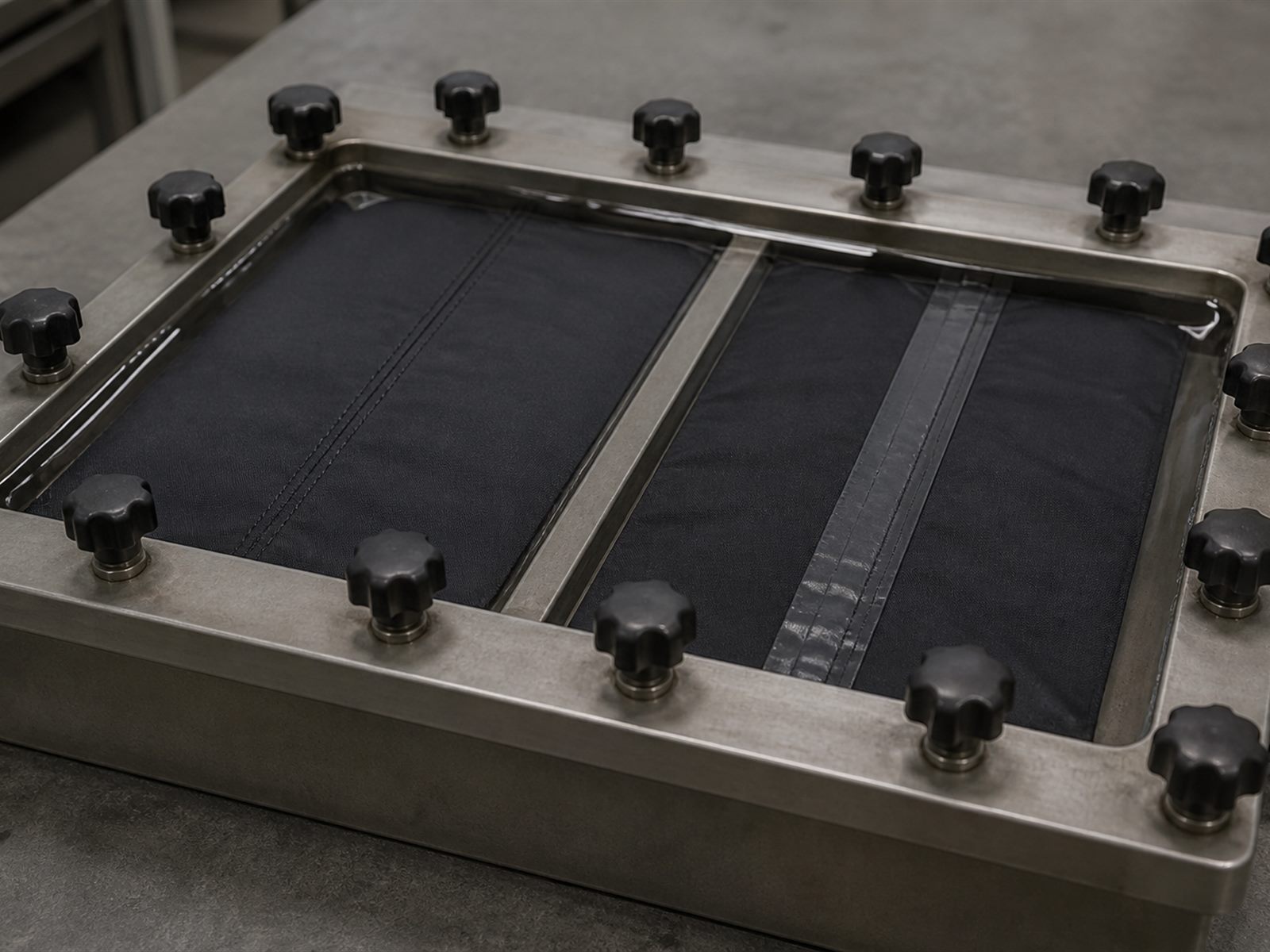
This Field Lab page is the test position for seam leakage, and it is separate from the seam strength test. Seam strength asks how much load a seam carries before it fails; seam leakage asks whether water can pass through a seam that is still intact. The two failures are unrelated and are usually reported by different people: strength failure is seen in the factory or after a season of use, leakage is reported by the wearer on the first wet shift. No test has been completed, so method, observations and result are awaiting test data. The test method is not fixed and will have to be confirmed with the laboratory, including whether the specimen is a seam strip or a garment panel and how the specimen edges are sealed. Thermal imaging cannot be treated as formal certification of insulation performance and it cannot detect a leaking seam; a warm patch on a thermal image is not evidence that water is passing a stitch line.
- Status
- Awaiting test data
- Materials compared
- 4
Gallery
Test bench
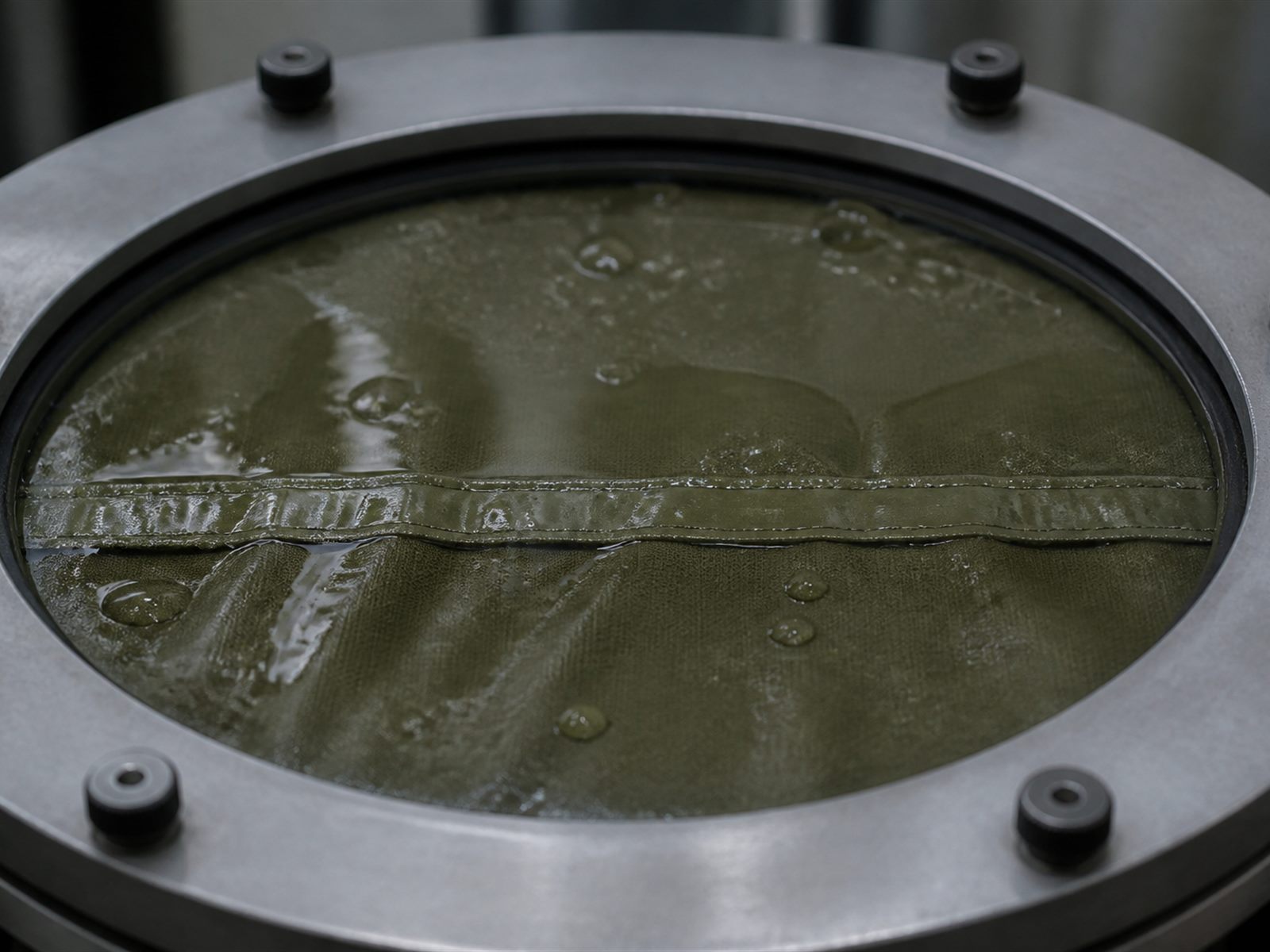
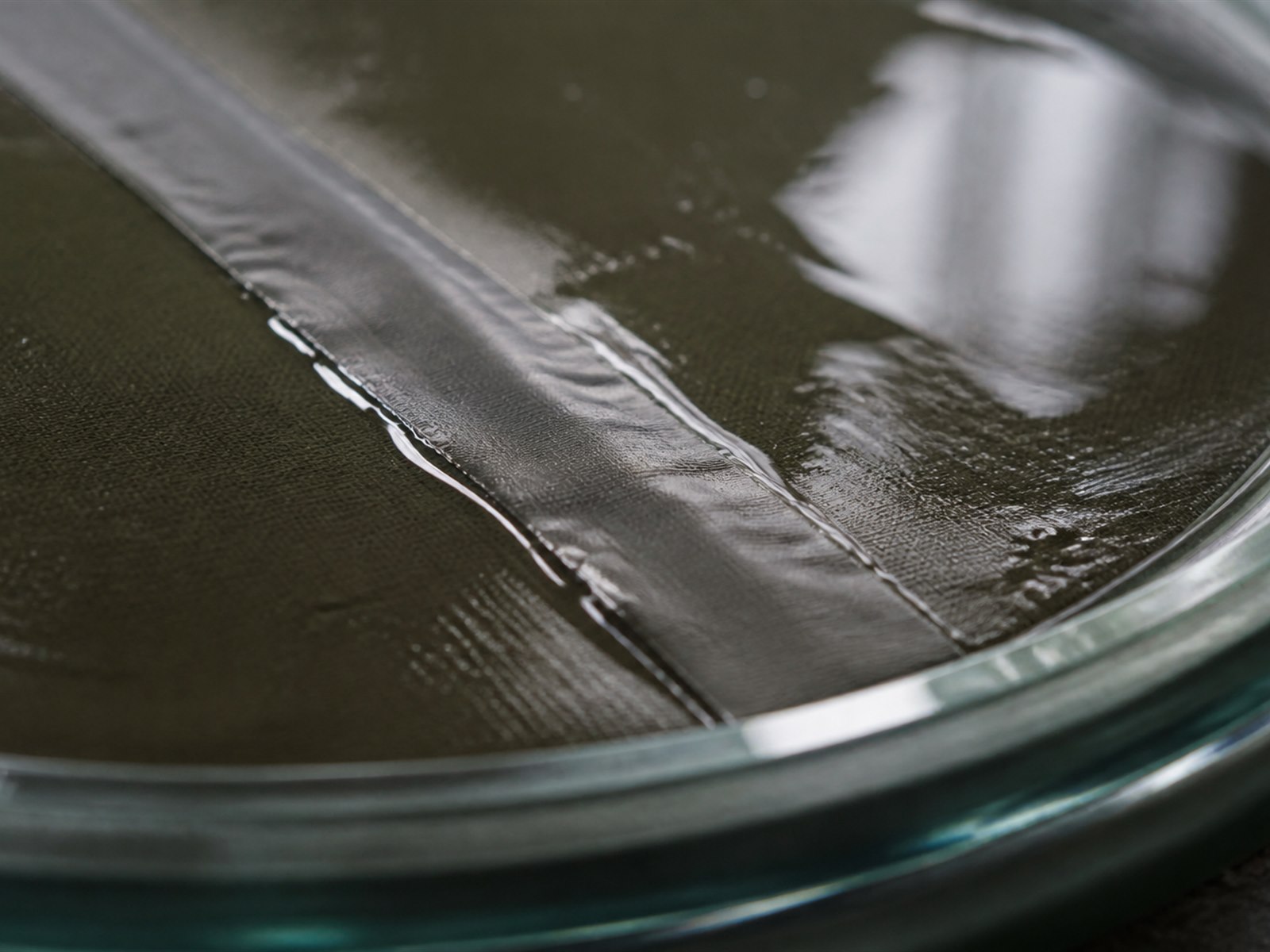
Status: AWAITING TEST DATA — Seam Leakage Test has not yet been run on real material. Method, observations and result will be published once the test has been completed and the output recorded.
Question
What are we testing?
Whether water passes through the seam assemblies we build, and how the answer changes between a plain seam, a seam with a sealed or taped construction, and a seam reinforced or overlapped for a load bearing position such as a shoulder. Test method: to be confirmed with the laboratory, applied identically to every specimen. Conditions required for a comparison to mean anything: the fabric and membrane specification; the seam type, thread, stitch density and seam allowance; whether and how the seam is taped or sealed, and the tape width and application method; the seam position sampled, because a straight side seam, a curved shoulder seam and a lapped seam behave differently; how the specimen is mounted and how its outer edges are sealed against bypass leakage; the pressure and duration of the test; the ambient conditions; and the number of specimens per seam construction. Where the seam construction is not identical, the comparison is between constructions rather than between fabrics.
Relevance
Why does it matter?
The buyer who asks for a waterproof fabric almost never asks for a waterproof seam, and the seam is where the garment leaks. Specifying and sealing seams is one of the most expensive construction decisions in a cold weather shell: it adds tape, labour, a dedicated machine and an inspection step, and it is also the first item removed when a quotation has to be made cheaper. Because a leaking seam appears only in use, the buyer discovers the saving in the field, at which point the whole delivery is suspect. A comparison under one method gives the buyer a way to see what the sealing step actually delivers, and a way to defend the cost of it in a tender.
Materials
Materials in this test
Material
Waterproof Fabric
Waterproof fabric prevents liquid water from passing through under pressure, and it only works as a system: the fabric carries a membrane or coating, and every seam and closure has to be sealed as well.
Material
Water Resistant Fabric
Water resistant fabric sheds light rain and keeps a garment usable in changeable conditions, but it is not waterproof.
Material
Softshell Fabric
Softshell is a fabric system rather than a single cloth.
Material
Wind Resistant Fabric
Wind resistant fabric reduces the air movement that strips warmth away from the body.
Method & result
Method, observations and result
Seam Leakage Test is published only when the underlying work has been carried out, so an empty field means the test has not yet produced that value.
Testing method
Awaiting test data — to be published when the test is complete.
Observations
Awaiting test data — to be published when the test is complete.
Result
Awaiting test data — to be published when the test is complete.
Limitations
What this test cannot tell you
Limitations: this test describes a seam on a specimen, not a seam on a wearer. The seams that leak in service most often are the ones that are loaded, flexed and abraded, particularly the shoulder and hood seams under equipment straps, and a static specimen cannot reproduce that. The test also cannot describe how sealing holds up over time: tape adhesion degrades with laundering, folding, heat and age, so a result on new material does not tell a buyer what the third year of service will look like. Repairs matter as well, because a garment repaired with a different sealing method is no longer the construction that was tested. This test will not produce any statement about warmth or comfort in the cold, and it is not a certification; buyers whose tenders require certification must have the test performed on the actual construction by the laboratory their tender names. Third-party laboratory position: it has not yet been decided whether we run this test in house or commission it from an independent laboratory, and we will state which it was when a result is published.
Related
Related content
Related Materials
Related Applications
Related Capabilities
Related Categories
Request a sample to evaluate yourself
Send the product type and the application. We will propose the material options for that application and state the trade-offs, so the comparison you run is against the right candidates.