Field Lab
Cold Chamber Test
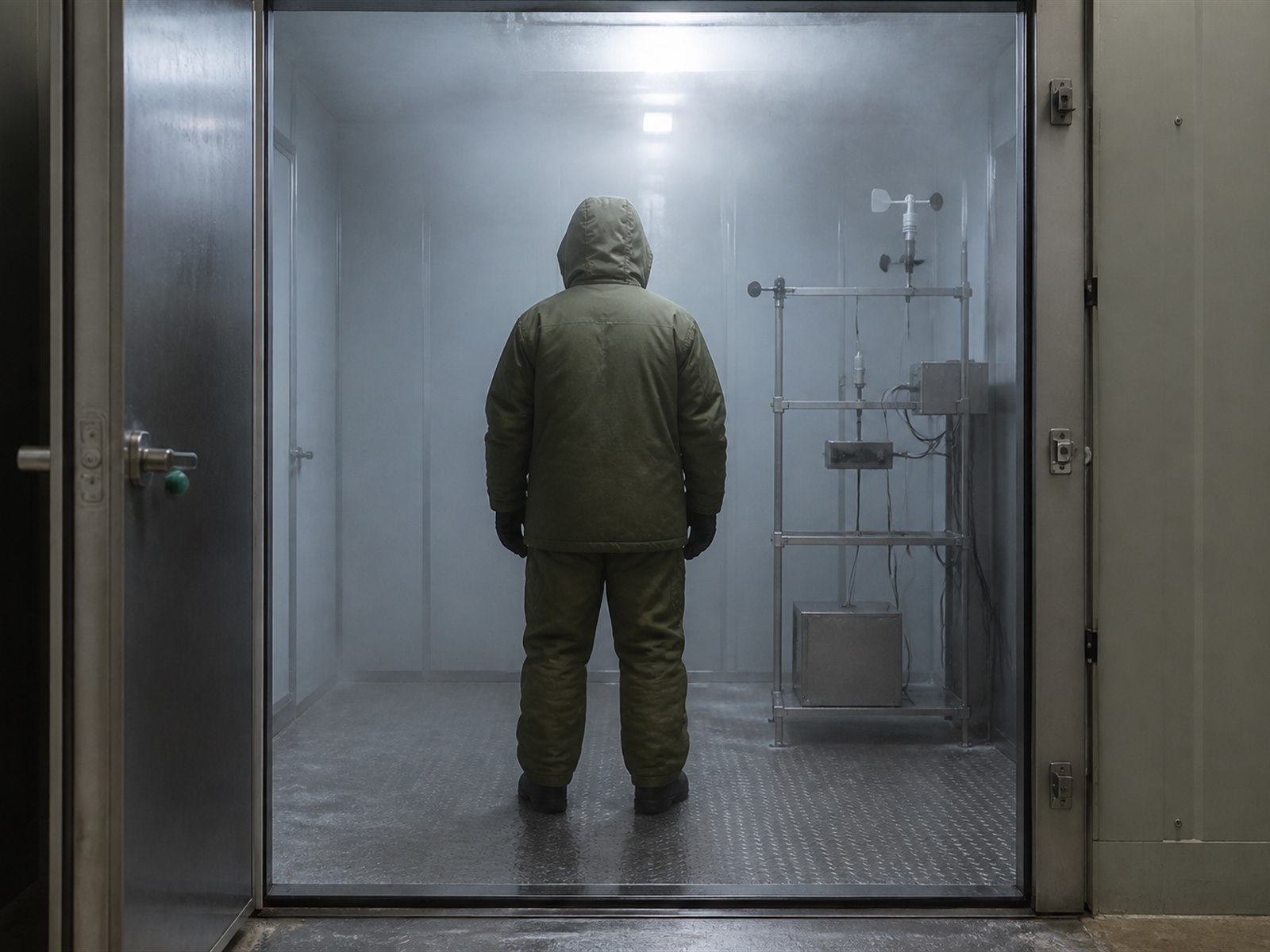
This Field Lab page is the test position for the cold chamber protocol. The question is not how one fabric behaves but how a complete layer composition behaves: base layer, mid layer, insulation and shell worn together, assessed as a stack in a controlled cold environment. This is the only test position on this site that looks at the system rather than at a material, which is why it also carries the strongest limitations. No test has been completed, so method, observations and result are awaiting test data, and the test protocol still has to be confirmed with the laboratory, including how a wearer is instrumented and how a test period is defined. Thermal imaging cannot be treated as formal certification of insulation performance. It can show where heat is leaving a composition, but it is not a measurement of warmth and it is not accepted as a certified insulation value anywhere.
- Status
- Awaiting test data
- Materials compared
- 4
Gallery
Test bench
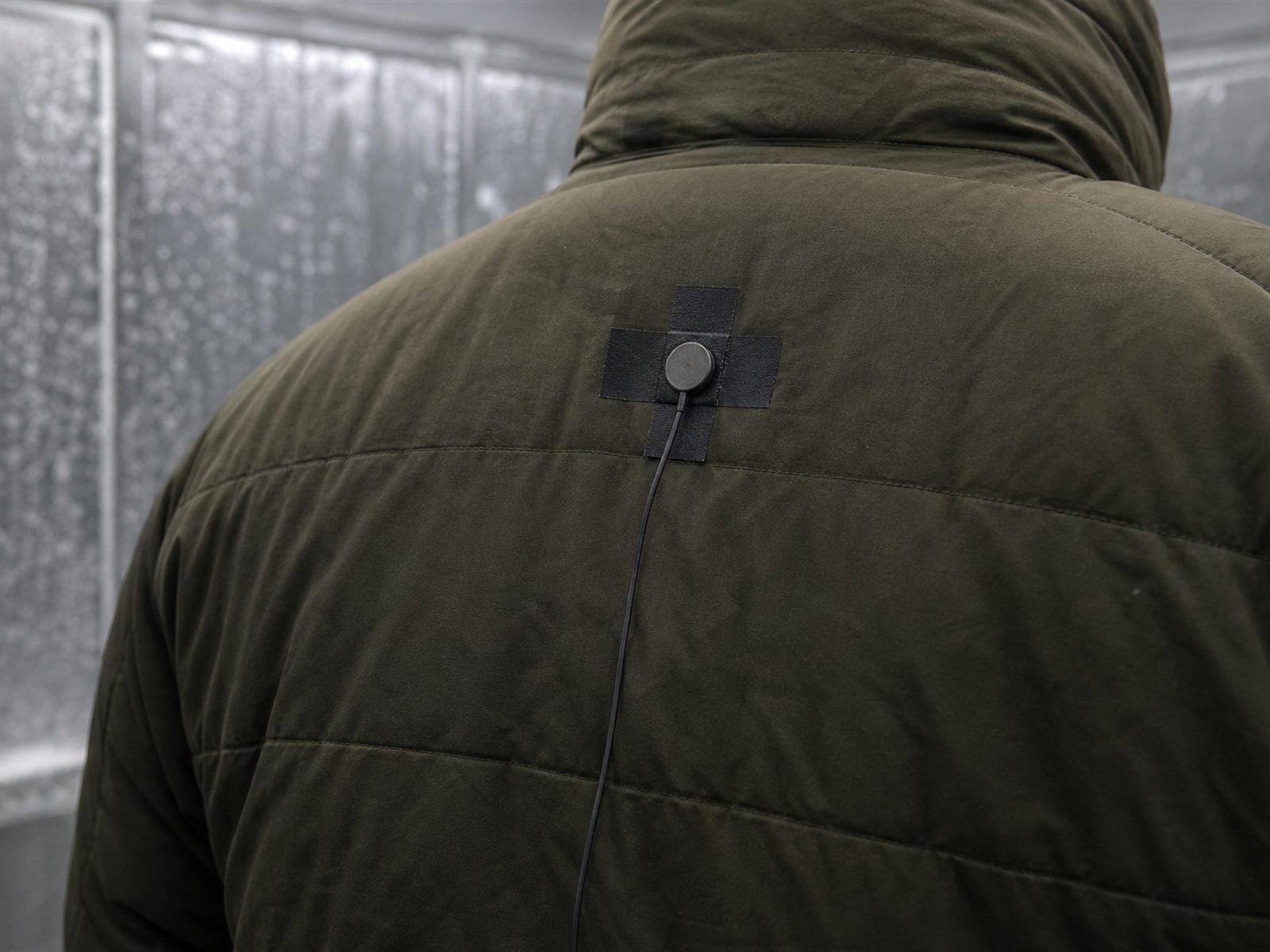
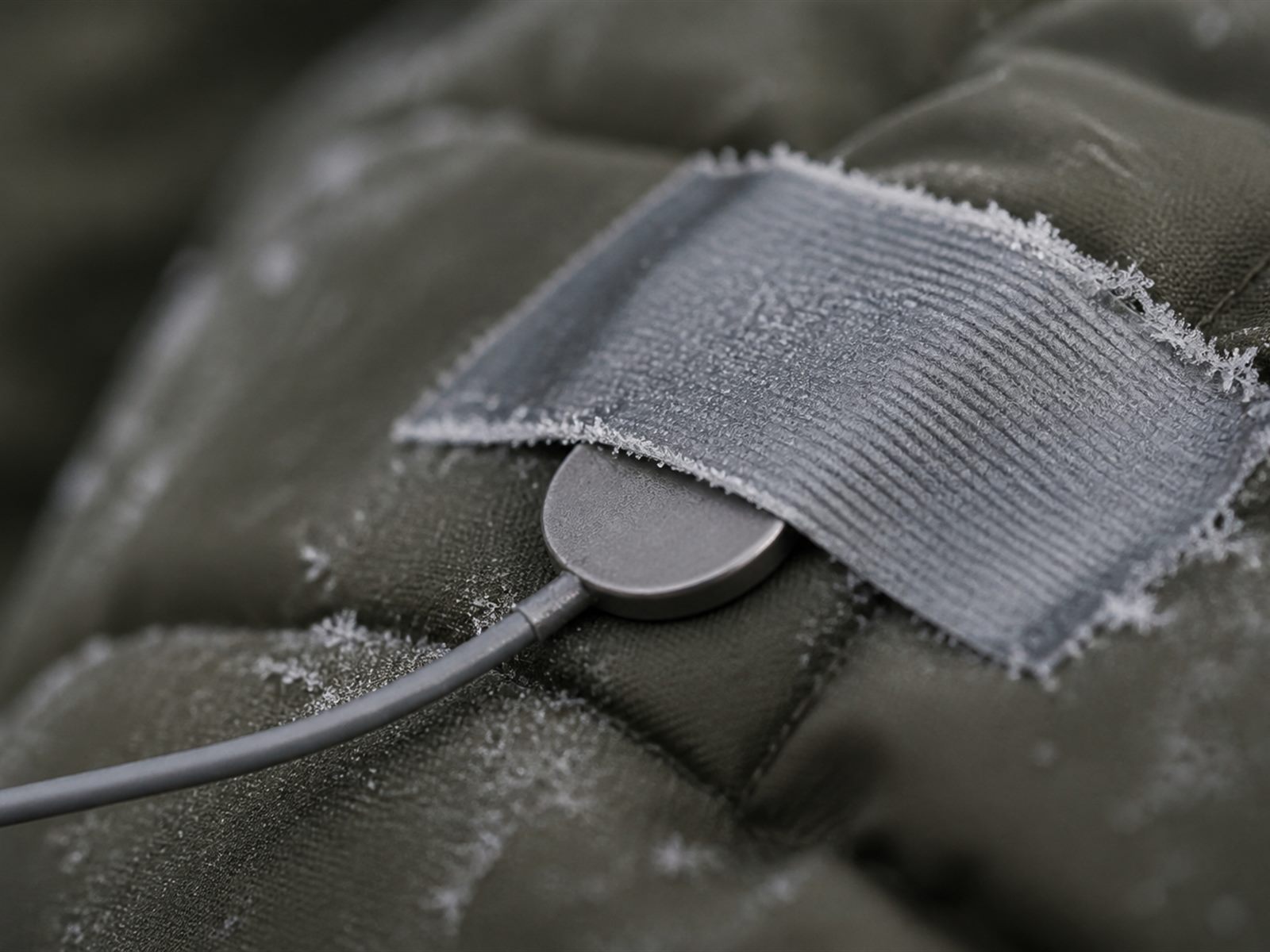
Status: AWAITING TEST DATA — Cold Chamber Test has not yet been run on real material. Method, observations and result will be published once the test has been completed and the output recorded.
Question
What are we testing?
Whether a layer composition behaves as intended as a stack, and whether the layers interact as designed: does moisture leave the base layer and pass through the mid and insulation layers, does the shell hold wind out without trapping moisture in, and does the composition behave differently when the wearer is moving compared with when the wearer is static. Test method: to be confirmed with the laboratory, and every composition compared has to be tested under the same protocol. Conditions required for a comparison to mean anything: the complete layer composition and the order of the layers; the garment sizes relative to the wearer tested, because fit changes the answer; the chamber condition and how it is held steady; whether wind is introduced and at what level; whether moisture is introduced and how, since a dry test and a wet test answer different questions; the activity pattern of the test period and its duration; how often the wearer moves between moving and static states; the sensor positions and the instrument used; and the number of test periods. A composition compared on a moving wearer cannot be compared with a composition tested while static.
Relevance
Why does it matter?
Buyers do not issue garments, they issue systems, and a system fails in ways that no single material test can predict. The static-after-exertion case is the clearest example: every layer may perform exactly as specified, and the composition can still be cold because the moisture the wearer produced is still inside it. Only a test of the assembled composition can expose an interaction like that, and the value to a buyer is that it produces evidence about the thing that is actually delivered. It also gives a buyer a defensible way to settle internal arguments about how many layers a programme needs, because the difference can be observed rather than asserted.
Materials
Materials in this test
Material
Cold Weather Insulation Material
Cold weather insulation material keeps a wearer warm by holding still air in a structure, not by generating heat.
Material
Fleece
Fleece is a pile knit or woven fabric with a raised surface that traps air.
Material
Wind Resistant Fabric
Wind resistant fabric reduces the air movement that strips warmth away from the body.
Material
Waterproof Fabric
Waterproof fabric prevents liquid water from passing through under pressure, and it only works as a system: the fabric carries a membrane or coating, and every seam and closure has to be sealed as well.
Method & result
Method, observations and result
Cold Chamber Test is published only when the underlying work has been carried out, so an empty field means the test has not yet produced that value.
Testing method
Awaiting test data — to be published when the test is complete.
Observations
Awaiting test data — to be published when the test is complete.
Result
Awaiting test data — to be published when the test is complete.
Limitations
What this test cannot tell you
Limitations: a chamber is not a field. It cannot reproduce terrain, the wearer's load, the effort of moving over ground, long exposure, changing weather that arrives mid shift, or the state of a garment after weeks of use. It tests a small number of wearers for a short period, and individual variation in how people produce heat and sweat is large, so a composition that performs well in a chamber is not thereby proven for a programme. The test also cannot be used to publish a comfort figure for the garment: activity level, wind, humidity, exposure time, layer configuration and individual variation all move the result, and a chamber protocol fixes those variables rather than representing them. Any comfort conclusion for a programme must come from the buyer's own field trials in their own conditions with their own wearers. Third-party laboratory position: whether this protocol is run in our own facility, at a contracted chamber, or by an independent laboratory has not been decided. If a buyer's tender requires an independent result, the test has to be commissioned from a laboratory that the tender recognises and the report has to name the protocol, the composition tested and the laboratory.
Related
Related content
Related Applications
Related Capabilities
Request a sample to evaluate yourself
Send the product type and the application. We will propose the material options for that application and state the trade-offs, so the comparison you run is against the right candidates.