Products / Combat Shirts
Hot Weather Combat Shirt Manufacturer
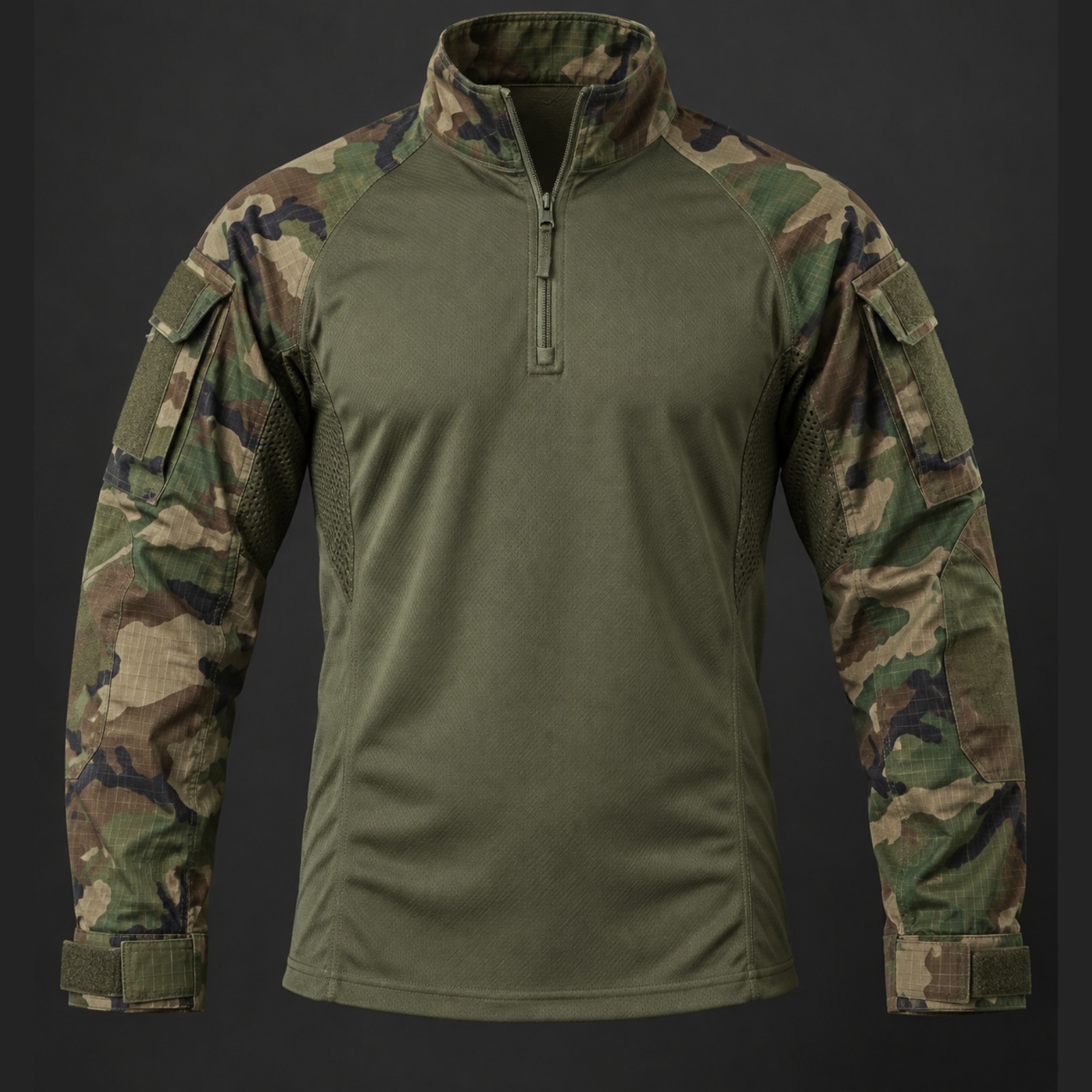
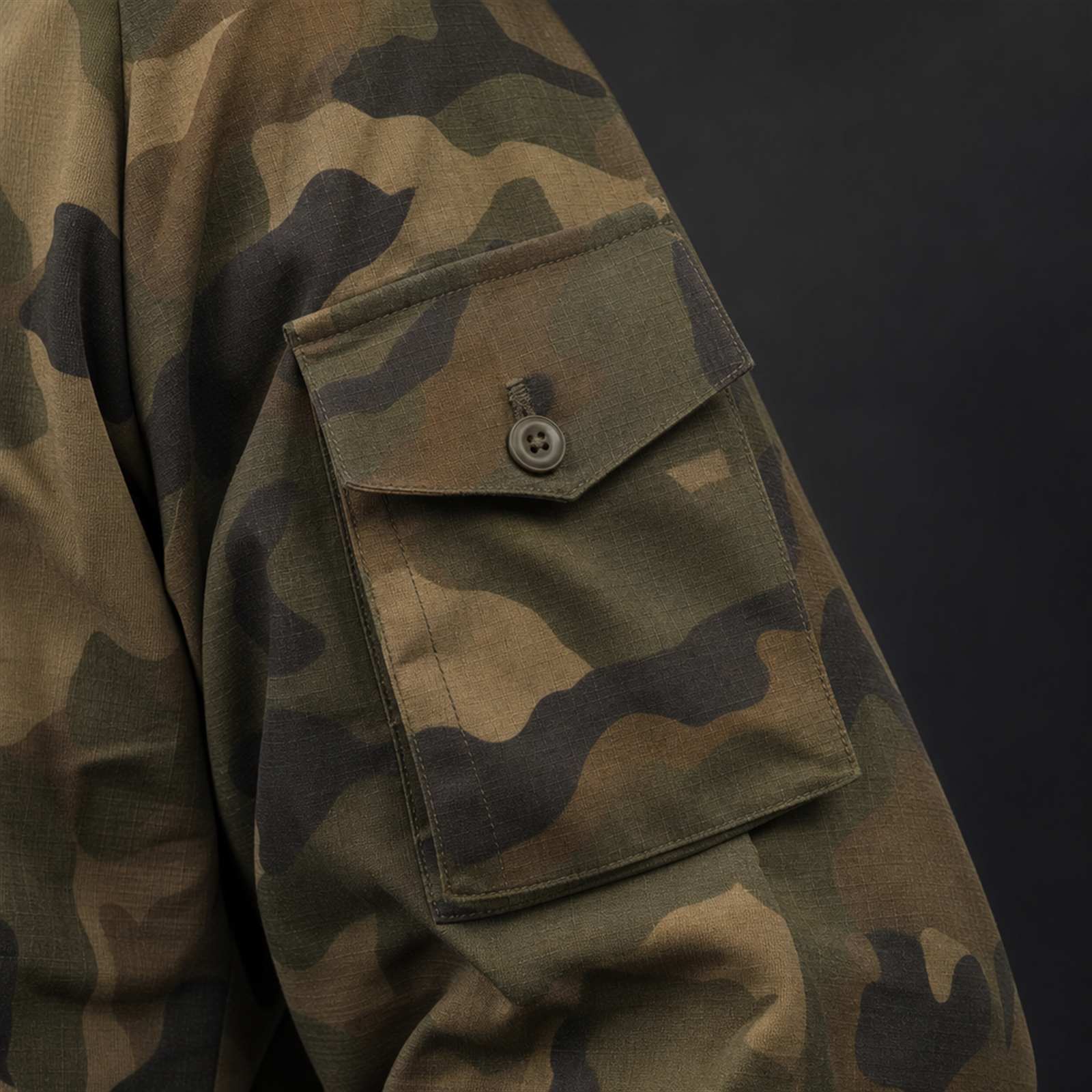
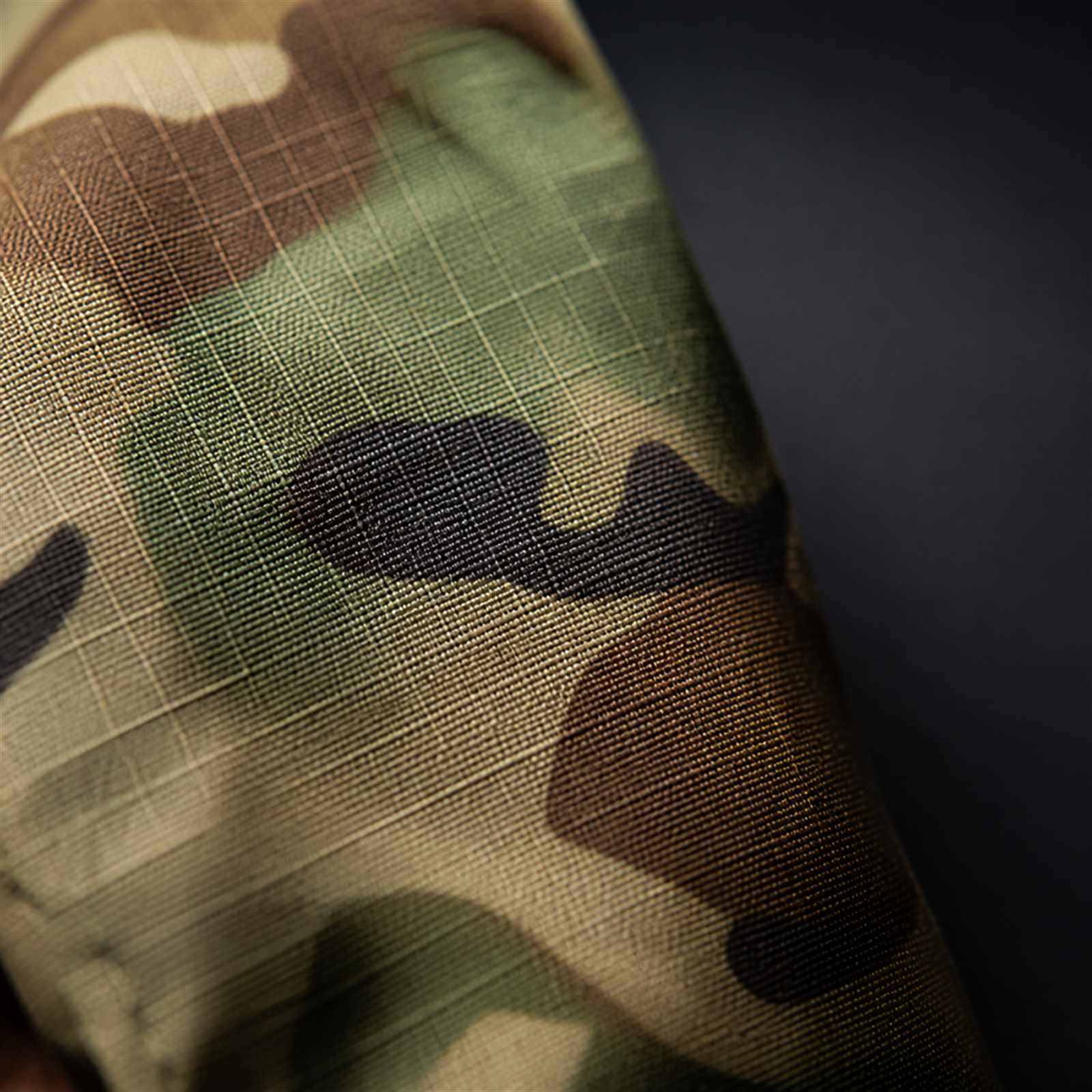
This garment exists to solve one problem: a combat shirt that can be worn through a full day of heat without becoming saturated and unusable. The torso uses a lightweight fabric selected for moisture movement and drying behaviour, while the sleeves keep the ripstop abrasion resistance the garment needs at the elbow and forearm. Ventilation is designed into the construction rather than left to the fabric weight alone. The result is a shirt that stays wearable under load-bearing equipment in hot and humid conditions, with reinforcement limited to the points that actually fail.
- Climate
- Hot · Tropical / Humid · Desert
- Applications
- Hot Weather · Tropical / Humid · Desert
- Customization
- 14 customizable parts
Gallery
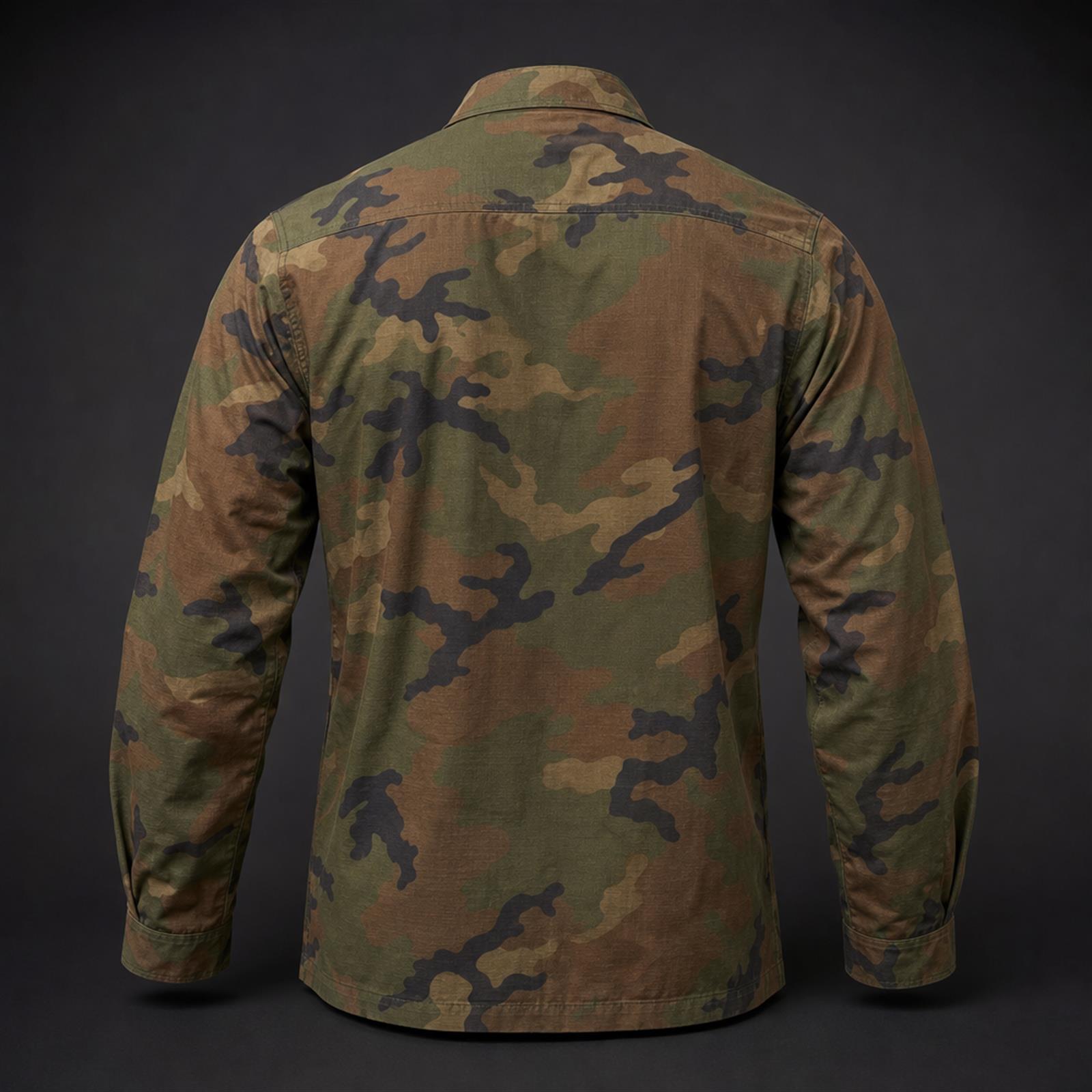
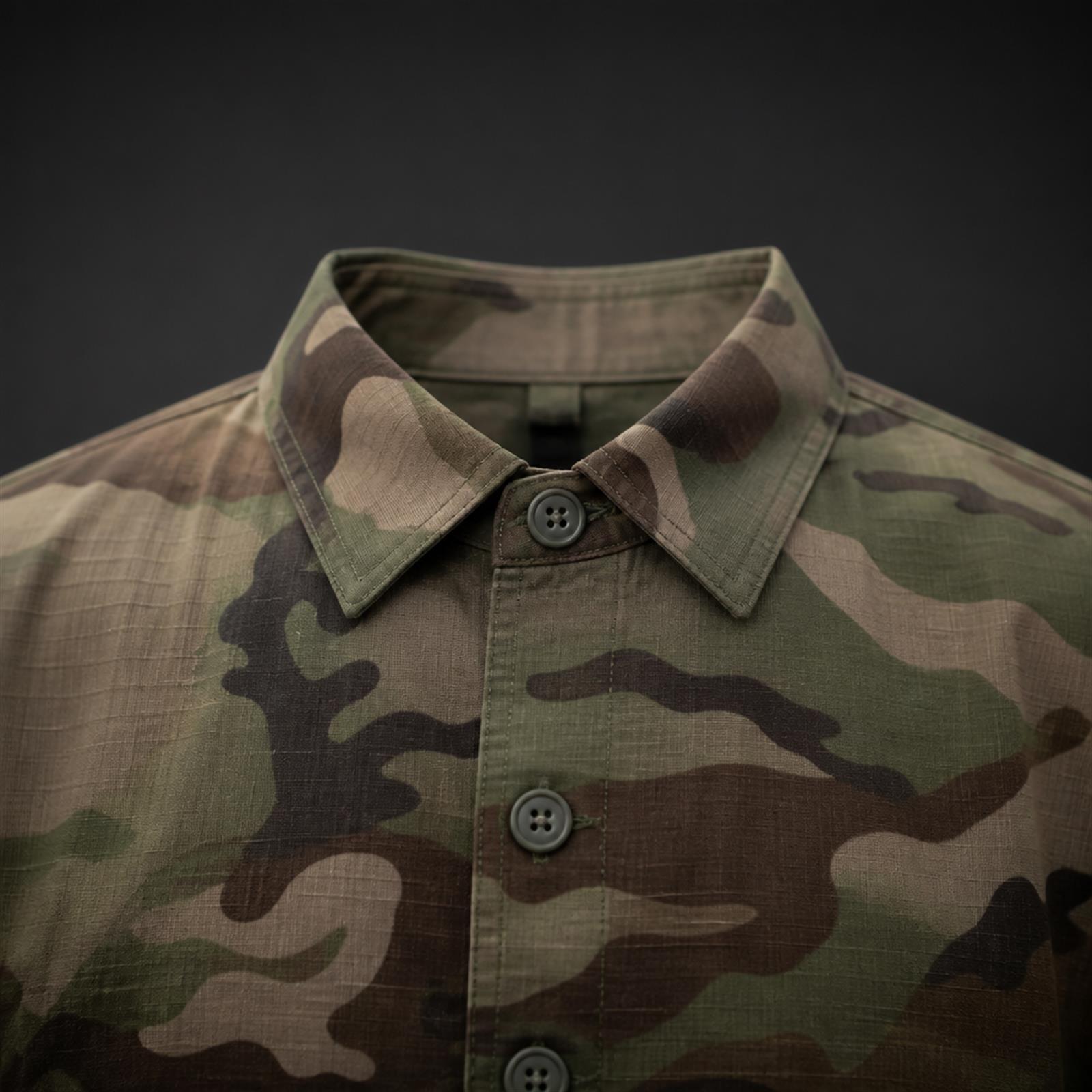
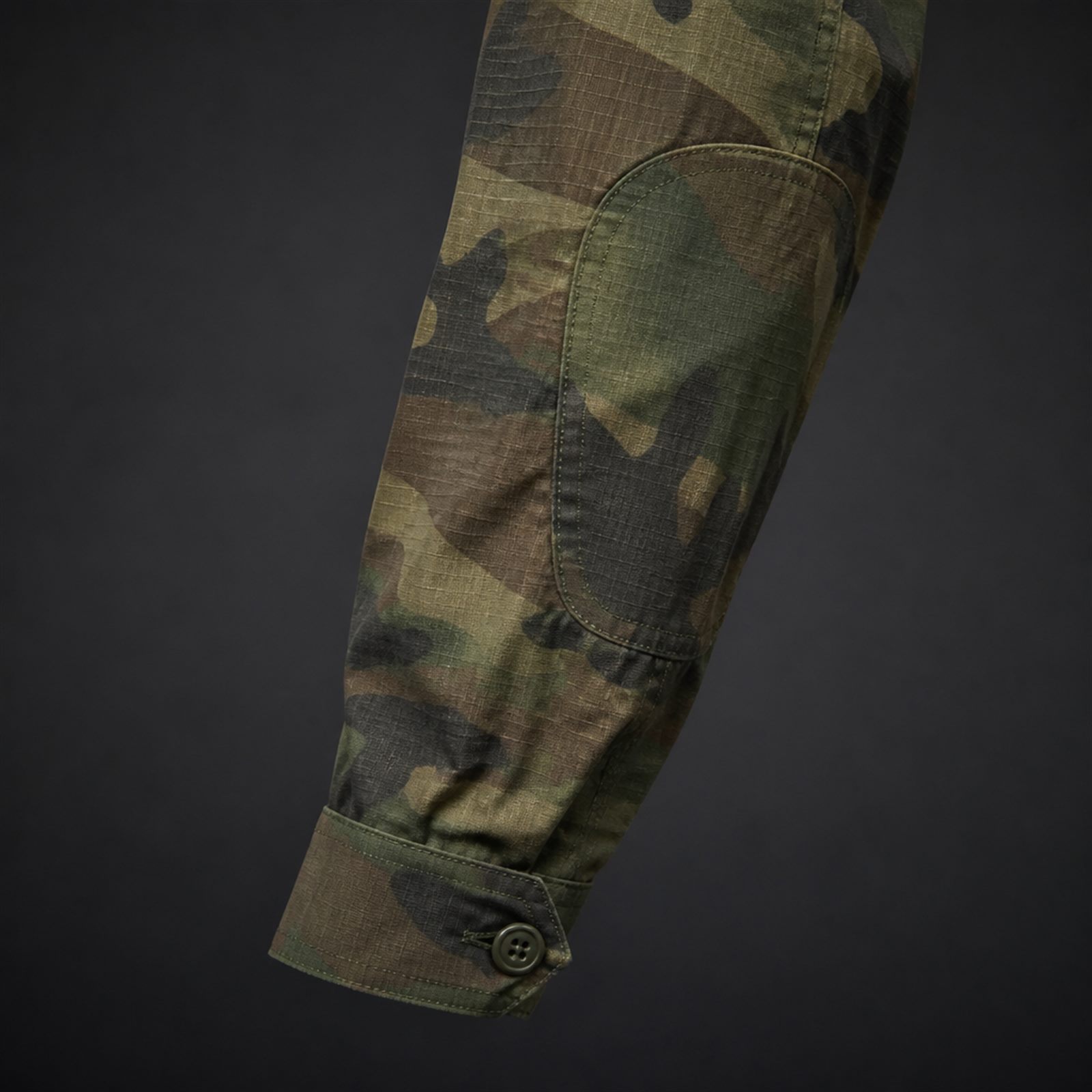
Hot Weather Combat Shirt gallery
Design purpose
Why this garment exists
Reduce heat stress and drying time while retaining abrasion resistance where the garment is actually worn through. Every construction decision is judged against whether it helps the shirt dry, breathe or move — or whether it only adds weight.
Applications
Best applications
- Hot Weather — Ambient temperature is high and heat stress is the limiting factor on how long a garment can be worn.
- Tropical / Humid — Relative humidity is high for most of the working day, so evaporation is restricted and heat stress cannot be managed by airflow alone.
- Desert — Solar load is intense, humidity is low and airborne dust is constant, so the limiting factors are heat from direct sun, abrasion from sand and dust infiltration into openings.
Interactive map
Customize every part
Hot Weather Combat Shirt: select a marker to see what can be specified at that part of the garment — all 10 mapped areas are also listed in full below the map, so nothing is hidden behind an interaction.
Customization by garment part
Select a marker to see the customization options available at that part of the garment. Every option below is a manufacturing decision you control.
Materials
Material options
3 material options for Hot Weather Combat Shirt, specified per garment area — a single fabric cannot serve heat management and abrasion resistance at the same time.
Torso
- Lightweight quick dry fabric
- Moisture wicking fabric
- Lightweight knit
- Mechanical stretch woven (where mobility is critical)
Selected per climate and layering. Where the shirt is worn under a vest, moisture movement and drying speed take priority over abrasion resistance at the torso.
Sleeves
- Poly cotton ripstop
- NYCO ripstop
- Stretch ripstop
- Printed camouflage ripstop
Sleeves stay ripstop because that is where the garment contacts equipment, ground and structure.
Reinforcement
- Elbow patch
- Internal elbow pad pocket
- Pocket corner reinforcement
Targeted rather than panel-wide, to preserve weight and mobility.
Construction
Construction details
How each of the 8 parts of Hot Weather Combat Shirt is assembled, and why that choice was made.
Torso
Reduced panel count with flat-felled or low-bulk seams to avoid pressure points under load-bearing equipment. Seam construction is chosen for comfort against the skin as much as for strength.
Sleeves
Ripstop sleeves with the reinforcement positioned to match where the buyer's end user contacts surfaces, not at an arbitrary height.
Elbow
Optional internal or external pad pocket built to the buyer's pad dimensions. Pad size must be confirmed before pattern development.
Collar
Low-profile stand collar or zip-through collar with chin guard. Collar height is kept modest to reduce heat retention at the neck and to avoid interference with headsets and helmets.
Cuff
Hook and loop or elasticated cuff. Hardware is selected for function with gloves and for corrosion resistance in humid conditions.
Placket
Short zip front with the option of a designed ventilation opening. Placket length is a heat management decision as much as a styling one.
Shoulder
Optional reinforced shoulder or insignia panel. Placement is agreed because it changes print and embroidery positioning.
Pockets
Low-profile chest or sleeve pockets. Pocket design is deliberately minimal — larger pockets at the torso hold heat and press against equipment.
Features
Functional features
The 6 functional features of Hot Weather Combat Shirt each exist to solve a specific problem in use, and where a feature is a trade-off rather than a pure gain that is stated.
Two-material construction
Torso fabric chosen for heat and moisture, sleeve fabric chosen for abrasion. This split is the core of the design rather than a cost compromise.
Designed ventilation
Ventilation is designed into the placket, underarm or back where the garment design permits it, so airflow does not depend on fabric weight alone.
Targeted reinforcement
Reinforcement is applied at the elbow and pocket corners rather than across whole panels, preserving weight and mobility.
Mobility pattern
Articulated or gusseted construction at the points that bind when the wearer reaches, kneels or climbs.
Low-bulk seams
Seam construction chosen so that seams do not become pressure points under vests and harnesses.
Hardware suited to heat and humidity
Zips and hook and loop selected for function with gloves and for resistance to corrosion and heat.
Customization
Customization options
14 customization lines for Hot Weather Combat Shirt: branding, colour, camouflage and packaging are all part of the specification, and every item is confirmed on the pre-production sample.
Fabric
Color
Camouflage Pattern
Collar
Zipper
Hook & Loop
Sleeve
Elbow
Cuff
Reinforcement
Logo
Label
Packaging
Colour
Colour options
- Solid colourways to buyer targets
- Buyer Pantone matching with lab dip approval
- Colour fastness requirements to be stated by the buyer for high sun exposure markets
Camouflage
Camouflage options
- Buyer artwork camouflage with print standard approval before bulk
- Woodland style
- Desert style
- Digital style
- Pattern repeat and panel alignment controlled at cutting
Sizing
Size options
Sizes are developed from the buyer's target size range and existing size chart or uniform sizing standard. A size set sample is produced so critical measurements — chest, shoulder, sleeve length, back length, cuff opening — are confirmed across the range. Measurement tolerances are agreed in writing before bulk so inline and final inspection measure against the same numbers.
Branding
Private label
Main label, size label, care label and country of origin label are produced to the buyer's artwork and content. Branding can be applied as woven label, printed label, rubber patch, embroidery or heat transfer. Packaging ranges from poly bag to printed poly bag with hangtag, header card or custom box. All labelling and packaging is confirmed on the pre-production sample.
Logistics
Packaging
- Poly bag
- Printed poly bag to buyer artwork
- Hangtag and header card
- Custom retail box
- Folding method and carton marking to buyer packing instruction
Sample development
From specification to approved sample
Development of Hot Weather Combat Shirt runs in 7 stages, each risk removed before the next step commits cost.
Requirement review
Buyer input reviewed and specification gaps returned in writing before any material is cut.
Material proposal
Torso and sleeve fabrics proposed against the intended climate, with the trade-offs between options stated.
Pattern development
Pattern developed to the approved measurements and construction, including pad pockets where required.
Prototype
First sample produced for fit, construction and material assessment.
Revision
Consolidated buyer comments applied in a single revision round.
Size set
Full size range produced for measurement confirmation.
Pre-production sample
Final approved construction and materials locked as the bulk standard.
Bulk production
Bulk production process
7 stages of bulk production for Hot Weather Combat Shirt — where the approved specification is either held or lost.
Fabric and trim approval
Bulk fabric, zips, hook and loop, thread and labels approved against the pre-production standard.
Cutting
Cutting performed against the approved pattern with markers controlled for shade and print alignment.
Panel preparation
Printed or embroidered panels prepared and checked before assembly.
Assembly
Line assembly to the approved construction sequence with defined reinforcement at stress points.
Inline inspection
In-process inspection so faults are corrected on the line.
Finishing
Thread trimming, hardware function check and pressing.
Final inspection and packing
Measurement, construction and packing inspection against the agreed standard, documented.
Quality control
Quality control
The 7 checks applied to Hot Weather Combat Shirt, each measured against an agreed standard rather than against opinion.
Incoming fabric inspection
Shade, weight, width and print alignment checked before the fabric enters production.
Pre-production approval
Buyer-approved pre-production sample becomes the reference standard.
Inline inspection
Work in progress inspected at defined points during assembly.
Measurement inspection
Critical measurements checked against the approved size set with agreed tolerances.
Construction inspection
Stitching, reinforcement, hardware and symmetry checked against the approved sample.
Final inspection
Finished goods inspected before packing.
Packing inspection
Labels, folding, poly bagging and carton marking checked against the packing instruction.
Specifications
Specifications
17 specification rows for Hot Weather Combat Shirt: only confirmed items are listed, so a row that depends on your programme is omitted rather than filled with an estimate.
| Product type | Hot weather combat shirt |
|---|---|
| Torso material | Specified per buyer climate and layering requirement |
| Sleeve material | Ripstop family — confirmed at specification stage |
| Climate | Hot, tropical / humid, desert |
| Collar options | Low-profile stand, zip-through with chin guard |
| Cuff options | Hook and loop, elasticated, plain |
| Elbow | Reinforcement patch or pad pocket to buyer pad dimensions |
| Closure | Short zip front, optional ventilation zip |
| Size range | Developed to buyer size chart or uniform sizing standard |
| Labelling | Private label to buyer artwork |
| Packaging | To buyer packing instruction |
FAQ
Hot Weather Combat Shirt FAQ
What fabric is used for the torso of this shirt?
It is specified per buyer, because the correct torso fabric depends on the climate and on whether the shirt will be worn under load-bearing equipment. If the shirt is worn under a vest in humid heat, moisture movement and drying speed take priority. If it is worn as an outer layer in dry heat, a slightly more abrasion-resistant woven may hold up better. We propose options and state the trade-offs before the fabric is locked.
Can this shirt be produced with elbow pad pockets?
Yes. Internal or external pad pockets can be built, but the pad dimensions must be confirmed before pattern development. A pad pocket built to assumed dimensions is one of the most common causes of a rejected sample.
Do you offer camouflage versions?
Yes. Sleeves can be produced in printed camouflage to your artwork, with a print standard approved before bulk so that shade and repeat alignment are controlled. Solid colourways are also available with lab dip approval.
What is the minimum order quantity?
MOQ depends on the fabric, the construction and the number of colourways, and we do not publish a figure we have not confirmed for your specific specification. Tell us your product and quantity and we will state the MOQ that applies.
How long does sampling take?
Sampling time depends on whether materials have to be developed or matched and how many revision rounds are needed. We will state a timeline against your actual specification rather than a general figure.
Related Applications
Related Capabilities
Related Articles
Related Categories
Request a Manufacturing Assessment
Send us your tech pack, reference sample or product idea. We review your requirement, recommend materials and construction, and come back with a development plan you can act on.